In brief
A recent UN report shows that Israel has not met US demands for increased aid to Gaza, leading to severe shortages of food and basic necessities, with warnings of potential famine in northern regions.
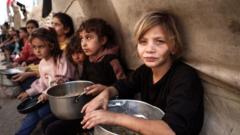
Israel has found itself under pressure as the United Nations' relief efforts in Gaza are hampered by shortages of humanitarian aid. According to a recent UN report, the situation is dire, with officials warning of an imminent famine in northern Gaza, reflecting the critical need for increased aid that Israel has yet to fulfill before a US-imposed deadline. Last month, US Secretary of State Antony Blinken issued a stark ultimatum, demanding Israel increase the daily inflow of aid trucks to a minimum of 350 by November 12, marking a crucial step to ameliorate the worsening humanitarian crisis. However, this deadline has passed without any significant change, with some UN officials indicating that the amount of aid flowing into Gaza is at its lowest in a year.Louise Wateridge, the Senior Emergency Coordinator for the UN agency for Palestinian refugees (UNRWA), emphasized the severity of the situation, stating unequivocally that there are "not enough supplies." Residents of Gaza, particularly in harder-hit areas, are grappling with acute food shortages, leading to distressing scenes where desperation drives people to fight over scarce resources, including bags of flour.Despite Israel's claims that it has substantially boosted the aid entering Gaza through newly reopened crossings, the current data suggests otherwise. An average of only 40 aid trucks have been successfully unloading supplies in the past month, falling drastically short of the American mandate. Tensions are further exacerbated by Israeli accusations that aid organizations are mismanaging the distribution process.The humanitarian landscape in Gaza is starkly underscored by the personal stories of residents like Aida al-Horan, who depends on soup kitchens to feed her family amidst soaring prices for basic sustenance. Meanwhile, the UN Office for the Coordination of Humanitarian Affairs (OCHA) continues to stress that Israel, as the occupying power, bears the responsibility for the safe and rapid delivery of relief aid.As the ongoing conflict escalates—fuelled by years of military operations and political upheaval—the Biden administration remains hesitant to impose strict repercussions on Israel amidst rising casualty figures on the Palestinian side. The humanitarian crisis continues to deepen, leaving residents of Gaza in a perilous situation of uncertainty and need. With international eyes watching closely, the situation raises questions about accountability and the political maneuvering taking place in an increasingly complex conflict zone.