In brief
The International Criminal Court (ICC) is stepping in to confront serious human rights violations in Myanmar, specifically targeting Senior General Min Aung Hlaing for his role in the persecution of the Rohingya Muslims. As global calls for justice intensify, this move may bolster Myanmar's opposition against the military regime.
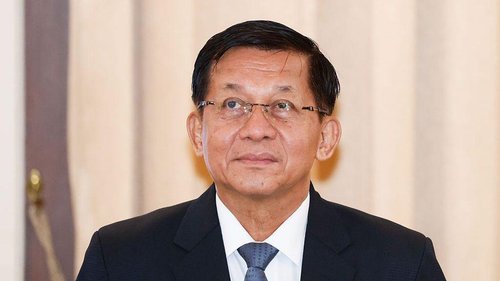
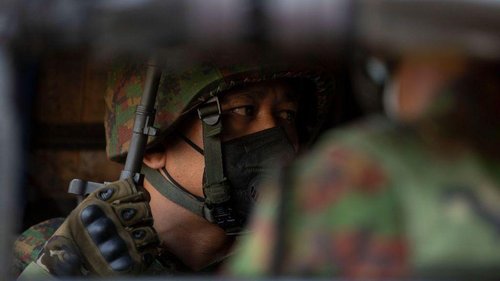
The chief prosecutor of the International Criminal Court (ICC), Karim Khan, announced on Wednesday that he is seeking an arrest warrant for Senior General Min Aung Hlaing, the head of Myanmar’s military government. This request arises from allegations of crimes against humanity connected to the systematic persecution and forced deportation of the Rohingya Muslim minority in Myanmar. Khan’s initiative to pursue an arrest warrant indicates a significant shift in international accountability efforts regarding the Myanmar military, which has wielded unchecked power following a coup three years ago. The prosecutor cited extensive investigations by his office, concluding that “there are reasonable grounds to believe” that General Min Aung Hlaing is criminally responsible for acts of deportation and persecution against the Rohingya people. While the request for an arrest warrant may not drastically impact General Min Aung Hlaing’s routine — as Myanmar is not a signatory to the ICC and neither are his principal allies, China and Russia — it nonetheless serves as a crucial step in galvanizing international support for justice. Activists and the opposition within Myanmar have long sought accountability against the military's human rights abuses, framing the ICC's actions as a promising development for their cause. This landmark request has the potential to reinforce the resolve of Myanmar's civil society, aiding efforts to document and combat the military’s violent suppression of dissent, while raising the stakes for the junta leader. Such international scrutiny could also engender a greater call for reform and humanitarian aid within the beleaguered nation, as the global community watches closely. As the future unfolds, the ICC’s pursuit of justice could transform the dynamics of power in Myanmar, fueling opposition movements while further isolating the military regime on a global stage.