
In brief
This article explores how Indian artists, influenced by their cultural heritage and the historical interaction between Christianity and Islam, have reimagined the nativity scene and other Christian motifs. Through their art, figures like Mughal court painters, Jamini Roy, and Angelo de Fonseca have introduced distinct local styles that challenge Western narratives and enrich Christian iconography.
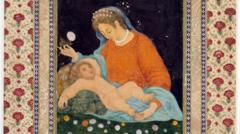
The birth of Jesus Christ has been a pivotal subject in art, particularly in Western culture, shaping perceptions through classical representations. However, a fascinating wave of artistic expression has emerged from India, where artists steeped in their local traditions depict this seminal biblical event with a unique fusion of styles. Influenced by Islamic motifs and the diversity of Indian culture, these artworks promote a fresh understanding of Christianity, breathing new life into depictions of Christ’s birth.The introduction of Christianity to India took a significant turn during the reign of Mughal emperor Akbar, who invited Jesuit missionaries to his court. These missionaries brought not only holy texts but also influenced local artists with European art styles. This interaction led to the creation of murals that blended Christian themes with traditional Indian aesthetics. Historian Neha Vermani points out that one notable painting from the Mughal court features emperor Jahangir nestled among the nativity figures of Mary, Joseph, and baby Jesus. This symbolism reflects the Mughal rulers' aim to promote harmony among various faiths and their identity as "universal rulers" dedicated to peace.In the 18th century, artists employed stylistic elements specific to Mughal art — including vibrant colors and intricate ornamentation — to enliven traditional Christian scenes. Artworks showcase not just religious significance but also an effort to project a harmonious co-existence of cultures.A prominent figure in this artistic movement is Jamini Roy, who blended the influences of Bengali folk art with Christian themes. According to art critic WG Archer, Roy’s depiction of Christ resonates with Indian tribal heritage, transforming biblical narratives into relatable cultural stories. His use of modern folk aesthetics allows him to render both Christian and Hindu themes with equal importance, underlining the universality of the message.Similarly, Angelo de Fonseca, born in Goa, ventured into creating distinctive Christian iconography that intertwined Eastern and Western influences. His portrayals of Mary as an Indian woman clad in a sari challenge conventional imagery, placing biblical narratives within recognizable Indian contexts. Through this approach, Fonseca sought to reshape the western-centric narrative of artistry and beauty in religious representation, asserting that Christianity is as much a part of Indian history as any local tradition.These artists, through their unique styles and interpretations, have contributed to a broader understanding and appreciation of the nativity scene in India, simultaneously preserving cultural idiosyncrasies that reflect a diverse religious landscape. Their works not only offer a fresh lens through which to view Christianity but also challenge the predominantly Western-centric approach to its artistic representations.