
In brief
As Sudan grapples with an escalating humanitarian crisis, an alarming five million children have been displaced due to conflict, suffering from hunger and facing dire living conditions. The international community calls for urgent attention and support to alleviate their suffering.
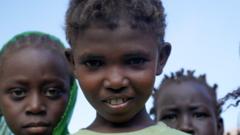
In Sudan, a heartbreaking reality envelops nearly five million children who have been forced to flee their homes due to relentless conflict, making this crisis one of the most severe on the planet. Mahmoud, a resilient teenager and an orphan who has experienced being displaced twice, exemplifies the struggle of these children. Despite the overwhelming hardships, many like Mahmoud strive for a brighter future, filled with hope for a return to stability.The United Nations' new humanitarian chief, Tom Fletcher, has emphasized the severity of the situation, declaring it "an invisible crisis." With over 25 million Sudanese—more than half the country's population—requiring urgent assistance, the need for international intervention is palpable. While the world focuses on other crises, Sudan remains at risk, with its plight demanding immediate attention.Fletcher's visit to Sudan highlights the dire conditions faced by the people trapped in power struggles between the military and the paramilitary Rapid Support Forces (RSF). During his trip, Fletcher toured a Maygoma orphanage in Kassala that is currently home to around 100 displaced children. The orphanage, established as a refuge, now bears the marks of destruction and trauma due to rampant violence and looting throughout the nation.In light of the crisis, food scarcity has become a daily battle for the displaced populations, with a looming famine confirmed in certain areas. Recent developments have seen the UN receiving permissions to expand their humanitarian efforts—allowing aid to finally reach some of the hardest-hit regions, including the perilous Zamzam camp in Darfur.Yet, challenges persist as aid agencies strive to navigate complicated bureaucratic obstacles set by the warring factions. Fletcher acknowledges the limitations faced by the UN, which must negotiate access to provide relief to suffering communities. The ongoing conflict has also subjected many to heinous acts, including starvation as a weapon of war and rampant sexual violence against women and children.Local aid workers and organizations are doing their best to create safe havens for those most vulnerable; a notable example is Mama Nour, who runs a safe house known as Shamaa for abused women and orphans. She echoes the sentiments of countless others in despair, revealing the profound exhaustion of those attempting to support their communities against the backdrop of chaos.As the humanitarian situation reaches critical levels in Sudan, the collective call for action from both the global community and the Sudanese people intensifies. It is a time for solidarity, as efforts to restore stability and support those affected by the conflict reach a crucial juncture. The children of Sudan—the ones who have lost everything—deserve the opportunity to dream of a safer, more hopeful future.


