In brief
For the second time since 1950, no named storms have formed in the Atlantic during the peak of hurricane season, which traditionally sees significant activity. Meteorologists attribute this unprecedented calm to strong vertical wind shear, dry air over the tropical Atlantic, and reduced rainfall in West Africa. Despite the quiet, experts warn of potential storms in the coming weeks as conditions may still lead to a busy period ahead.
SAN JUAN, Puerto Rico (AP) — As of late September, a striking calm prevails over the Atlantic Ocean, with no named storms appearing for nearly three weeks, an anomaly during the peak of hurricane season.
Many in the meteorological community are questioning, Where are the Atlantic hurricanes? remarked Philip Klotzbach, a meteorologist from Colorado State University, on the social media platform X.
The last named storm, Tropical Storm Fernand, emerged on August 23 and dissipated by August 28, remaining over open water and leaving little impact behind. According to Ernesto Rodríguez, the National Weather Service meteorologist in San Juan, this unprecedented dormancy marks the second instance since 1950 that no named storms have formed during this peak season.
Contributing Factors
Three primary factors contribute to this relative tranquility. First, a strong vertical wind shear — which represents a change in wind speed and direction with altitude — has developed due to ongoing cyclonic circulation in the mid-upper troposphere. Second, there is consistently dry and stable air across the tropical Atlantic. Lastly, a decline in West African rainfall, where many tropical waves form, has been observed.
Rodríguez stated, This situation is particularly positive for those of us living in Puerto Rico, as the territory continues to recover from the devastating impacts of Hurricane Maria in 2017.
This rare period of inactivity prompted Colorado State University experts to issue a report earlier this month, stating, There has been considerable discussion among meteorologists regarding the current state of Atlantic hurricane activity, which can be considered remarkable.
Future Outlook
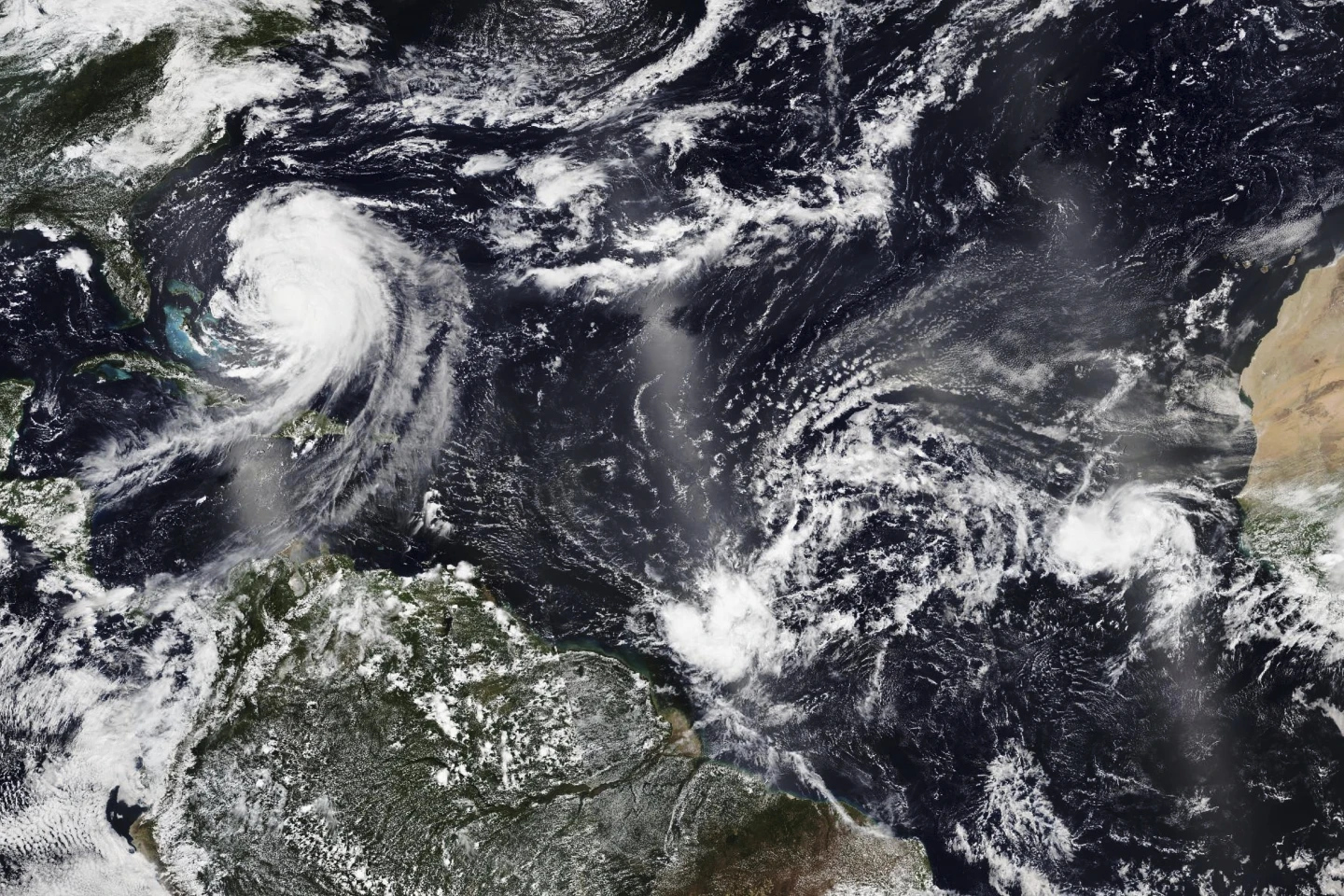
Although the current stagnation is noteworthy, meteorologists caution against complacency, as the latter half of September and early October may still yield significant activity. Forecasters expect a cluster of storms currently situated hundreds of miles east of the Caribbean to potentially develop, although their paths may likely steer clear of land.
Rodríguez emphasized that conditions could become favorable for storm development from mid-September to mid-October, given that ocean temperatures remain warm, serving as a potent fuel source for hurricanes.
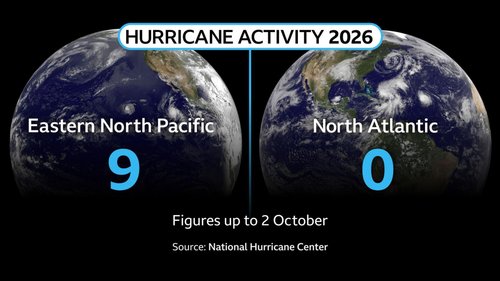
Historically, about 80% of Atlantic hurricane activity occurs during August and September, but only six named storms have arisen this season. Notably, the National Oceanic and Atmospheric Administration initially anticipated an above-average season with up to 18 named storms. This stark contrast to expectations illustrates the unusual circumstances of this year’s hurricane season in the Atlantic.
With many factors at play and the ongoing unpredictability of nature, experts continue to monitor the evolving situation closely, hoping for a change but remaining vigilant about potential storms that may arise.