In brief
Irmgard Furchner's death marks the end of a controversial chapter in the prosecution of Nazi-related crimes, highlighting a pivotal shift in legal accountability.
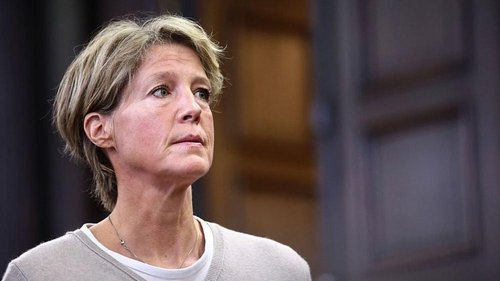
Irmgard Furchner, who was a secretary at the Stutthof concentration camp during World War II, passed away on January 14 at the age of 99. Her death was confirmed by Frederike Milhoffer, a spokesperson for the German court in Itzehoe, where she faced trial and was convicted for her role in facilitating the administration of atrocities, leading to her being deemed an accessory to the murders of over 10,000 victims.Furchner, known as Irmgard Dirksen at the time, began her service at the Stutthof camp near Danzig (now Gdansk) in June 1943. As a secretary, she performed routine clerical duties, which included typing deportation lists and executing orders under the commandant, Paul-Werner Hoppe. The court highlighted her nonchalant involvement within the bureaucratic machinery of the Nazi regime, which reflected a broader change in how German authorities have approached war crime prosecutions over recent years.The trial of Furchner, held in 2022, set a significant precedent by illustrating that lower-level staff, such as secretaries and clerical workers, could be held legally accountable for their participation in the Nazi regime, a shift from previous cases which required concrete evidence of direct involvement in murders. Onur Ozata, a lawyer representing survivors who testified at Furchner’s trial, expressed hope that her conviction marked a "milestone in judicial accountability."The reports of her death made headlines in German media in early April, following her absence from public events and court proceedings since the trial's conclusion. Furchner's legacy remains a contentious topic, as society continues to grapple with the remnants of its dark past and the complexities of justice for Nazi war crimes.