In brief
A look at the enduring effects of the Band Aid charity single on perceptions of Africa, as artists and critics grapple with its legacy of representation and the changing face of humanitarian aid.
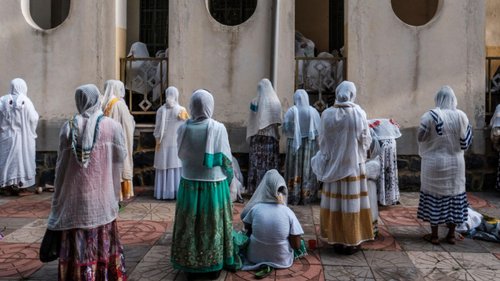
In 1984, British musicians Bob Geldof and Midge Ure collaborated to release "Do They Know It’s Christmas?" in response to the Ethiopian famine, leading to significant changes in celebrity fundraising. Now, forty years later, the song is re-released, stirring conversations around its initially intended charity and the problematic imagery it has perpetuated over the years. While the fundraising efforts saved lives, critics argue that the representation of Ethiopia and Africa in the song fosters harmful stereotypes, portraying the continent as a place of perpetual suffering rather than resilience and joy.Dawit Giorgis, then head of Ethiopia's Relief and Rehabilitation Commission, recalls the distorted portrayal of his country in the song, asserting that Ethiopia has celebrated Christmas long before the song's release. Though he acknowledges the generous response to the famine, he emphasizes the need for accurate representation. Bob Geldof, while defending the song as a necessary pop culture moment, seems to recognize the original intent may not align with modern perspectives. Recent comments from contemporary musicians like Ed Sheeran and British-Ghanaian artist Fuse ODG reflect a shifting narrative in how Africa is portrayed in fundraising. Both artists expressed discomfort with the song's lyrics that imply a lack of joy and peace in Africa, which Sheeran highlighted during a podcast discussion. Fuse ODG stated, "Band Aid takes one issue from one country and paints the whole continent with it," resonating with a broader critique regarding the oversimplification of African nations in charity campaigns.The impact of colonial narratives in fundraising has also been brought to light by various organizations and academics. The umbrella charity body, Bond, has criticized the re-release of Band Aid, asserting that it perpetuates outdated narratives and reinforces damaging stereotypes. Conversely, there is a growing understanding among charities that a more respectful and nuanced approach is needed, recognizing the agency and dignity of those they aim to help. There is a collective call for new narratives in charity work that involve African voices and perspectives. Music journalist Christine Ochefu suggests any future projects should center African artists and their stories, rather than relying on Western celebrity narratives. Academic research underlines the importance of involving those directly affected by aid “as human beings,” not merely as passive recipients.As the landscape of humanitarian aid continues to evolve, it is clear that the legacy of Band Aid is complex. The discussions surrounding its impact reveal crucial insights about representation and charity in the 21st century—a reminder that stories of resilience must accompany those of need, moving away from the past narratives that have too often defined the global perception of Africa.