In brief
The escalating relationship between Kim Jong Un and Vladimir Putin raises concerns for China, which has long been the main supporter of North Korea. The implications of North Korea's military support for Russia in Ukraine and its impact on regional dynamics leave China grappling to maintain control over its erstwhile ally while addressing increasing Western scrutiny.
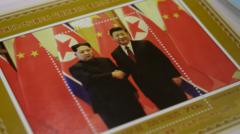
The scenic viewpoint of Fangchuan, a border town in China, is now a hotspot for tourists eager to catch a glimpse of North Korea, all while standing between the flags of Russia and China. The location symbolizes not just geographical boundaries but also the geopolitical complexities as China finds itself caught between its two North Asian neighbors. Visitors, wrapped in autumn layers, proudly exclaim their connection to both Russia and North Korea, but beneath this ethnic pride lurks Beijing's growing discomfort over Pyongyang's assertive diplomacy with Moscow.Recently, fears have escalated regarding an emerging partnership between Vladimir Putin and Kim Jong Un, particularly following reports that North Korea may be sending troops to bolster Russia's ongoing military efforts in Ukraine. This perilous development escalated after North Korea's provocative missile tests, conducted while Pyongyang ramped up threats towards South Korea. Analysts like Christopher Green of the International Crisis Group emphasize China's desire for a controllable relationship with North Korea, now threatened by Kim's deepening ties with Russia.Such worries are exacerbated by Beijing's inability to regulate the actions of its allies. Xi Jinping's attempts to foster a new global order are complicated by one ally waging war in Europe and another accused of complicity. The lack of gratitude from Pyongyang towards its historical benefactor, China, has become apparent, with Kim seemingly favoring Putin, highlighting a shift in alliances that leaves China scrambling to retain its leadership role.Disturbing reports from intelligence agencies assert that North Korean soldiers have been deployed for military support in Ukraine, a move both Pyongyang and Moscow vehemently deny, but which paints a picture of escalating cooperation. A significant development occurred during Russia’s recent celebration of the 75th anniversary of China-North Korea relations, where Kim failed to extend similar effusiveness towards Xi Jinping as he did for Putin.The tension surrounding this alignment is palpable in Fangchuan, where the local atmosphere has grown somewhat stifled as police scrutinize the activities of journalists trying to cover the unfolding issues. While tourists find excitement in viewing the secretive nation across the Tumen river, local residents share sentiments of nostalgia and pride in their shared history with North Korea. Historically, North Korea has relied heavily on China for economic support, with over 90% of its trade forged through this relationship. However, the geopolitical landscape has shifted post-Soviet Union collapse, prompting Pyongyang to seek alternatives in its ideological affiliations. Analysts point out that as North Korea cultivates closer ties with Russia, the potential instability jeopardizes China's influence in the region. On the ground, visitors notice the stark differences in prosperity across the borders, with many Chinese feeling a contrasting sense of strength and stability compared to their isolated neighbors. As reports of dwindling North Korean economic conditions circulate, the regime's dependency on Chinese aid grows while simultaneously courting Russian support, creating a delicate balancing act for Beijing.It appears that China’s consistent efforts to align its foreign policy in Northeast Asia are failing against the backdrop of Kim’s increasingly provocative stance and warmer relations with Putin. With the rising likelihood of North Korean military involvement in a global conflict, Beijing faces the daunting task of maintaining stability in a region where the actions of its allies increasingly threaten its national interests. Should the ties between Moscow and Pyongyang deepen, concerns arise that Beijing could be left to contend with the outcomes of a burgeoning, and potentially destabilizing, alliance. While Xi’s past strategies emphasized a collective Northeast Asian initiative against U.S. influence, the current trajectory indicates a need for reevaluation, as Kim’s military posturing risks prompting a more aggressive stance from the U.S. and re-enforcement of alliances among South Korea, Japan, and NATO. As the tension unfolds between these three nations, the ideal of solidarity appears fragile. Beijing's calculated silence amid Kim's escalating threats showcases its turbulent journey in grasping the reality of a "comrade from hell" while trying to preserve its own standing in an ever-evolving geopolitical landscape.