
In brief
More than 150,000 have evacuated due to recent LA wildfires, prompting discussions about climate havens and the long-term impact of climate change on migration patterns.
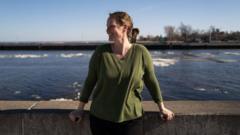
In the shadow of devastating wildfires in Los Angeles, which recently resulted in the evacuation of over 150,000 residents, many Californians are re-evaluating their living situations and seeking refuge in so-called "climate havens." Among them is Christina Welch, who remembers vividly the Tubbs fire of 2017 when flames came alarmingly close to her Santa Rosa home, forcing her to flee multiple times due to wildfire threats. After much consideration, she relocated to Duluth, Minnesota—a community she believes offers a better chance of stability amid ongoing climate concerns.Just this month, California witnessed another tragic wildfire outbreak, prompting fast-paced evacuations in an already beleaguered region. While climate experts affirm there is no mass migration yet driven purely by climate change, they warn that the increasing regularity of wildfires and flooding could lead to a significant uptick in out-migration from the state. Derek Van Berkel, a data science professor at the University of Michigan, suggests that many residents may soon conclude that staying in California is no longer feasible due to the heightened risks. The state has experienced the destructive loss of over 15,000 structures to wildfires between 2020 and 2023 alone. Additionally, projections from the state attorney general's office indicate that by 2100, half a million Californians could find themselves in areas vulnerable to flooding due to rising sea levels. According to Jeremy Porter from First Street, most migration trends are localized at present, with residents relocating to safer areas within California itself, but cities that project they are climate-resilient—like Duluth—are beginning to attract a small wave of newcomers.Duluth, situated near the expansive Great Lakes, is particularly appealing due to its perceived security from climate extremes. Jamie Beck Alexander moved her family there after witnessing the devastation of three wildfire seasons in California. She expresses a deep sense of community engagement in Duluth, which she contrasts with her previous life in San Francisco. Yet, challenges remain, such as rising housing prices and infrastructure needs exacerbated by the changing climate.While Duluth emerges as a beacon of hope for some, others, like Kelsey Lahr, have discovered that the quest for a definitive climate haven can come with unexpected challenges. After relocating to Asheville, North Carolina, she faced destruction from Hurricane Helene, debunking her perception of the area as a secure refuge. Current trends indicate that climate migration remains complex and nuanced, with research indicating communities like Duluth are not seeing significant population shifts yet, but could soon be overwhelmed without proper preparations. Experts suggest that cities must invest strategically in resiliency for both current and future residents if they hope to truly earn the title of climate haven. Whether these locations can hold onto their promise as safe retreats from the ravages of climate change remains to be seen, but they undeniably represent a growing trend of migration driven by environmental anxieties. As climate change continues to influence weather patterns confrontations, it underscores the necessity for individuals and communities alike to adapt intelligently rather than simply flee.
