In brief
With echoes of historical trauma resonating, South Koreans reacted strongly against a recent martial law declaration aiming to suppress political opposition amidst confusion over its legitimacy, highlighting the nation's hard-earned democratic values.
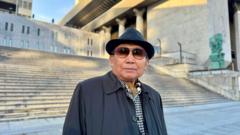
In a shocking turn of events, South Korean President Yoon Suk-yeol recently declared martial law, the first of its kind during an era of democracy, evoking painful memories from the nation’s past. This declaration, made to purportedly counter "pro-North anti-state" forces, caught many off guard, stirring unrest and mobilizing citizens and lawmakers against potential rollback of hard-won freedoms. Koh Jae-hak, 87, recalls witnessing deadly violence as a young man during anti-government protests in 1960 that ultimately led to widespread martial law across South Korea in a tumultuous historical period characterized by dictatorship. Many citizens, who have experienced or learned about past government suppressions under martial law, are deeply unsettled by Yoon's recent announcement and are concerned it may signal the advent of similar repressive measures.This declaration has sparked immediate backlash, with lawmakers and citizens alike taking to the streets to resist the decree. As tensions mounted, soldiers ordered to enforce martial law hesitated, reflecting a shared unease with the past. Citizens expressed confusion and skepticism regarding Yoon's justification, as he provided no concrete evidence of threats; instead, they perceived his actions as a means to silence dissent and consolidate power.Historical context amplifies the fear surrounding the declaration. South Korea is still processing the deep scars left from past martial law periods, particularly the brutal crackdown during the Gwangju uprising in 1980, which is remembered as a national tragedy with vastly different perspectives on necessity and justification.Interviews with citizens reveal a pervasive sentiment of trauma, particularly among those whose families faced the realities of martial law. Younger generations, while not having lived through those times, feel the weight of their society's scars and the lessons passed down through familial narratives. Cultural products, including films and dramas, narrate South Korea's difficult history to educate and caution audiences about the dangers of authoritarian rule. This resurgence of interest in the implications of Yoon's martial law has led to public discussions about the fragility of democracy, ultimately leaving many in South Korea yearning for the stability that their current democratic system provides.While a considerable number of older Koreans believe that martial law was sometimes justified in the past amidst ideological conflict, there exists a consensus across generational lines that the current political climate is dramatically different, and calls for action are resonating from those who refuse to lose the freedoms achieved over the last three decades.As protests erupt across the nation and the government finds itself enveloped in a crisis of legitimacy, the refusal to regress into authoritarianism becomes an essential rallying point for South Koreans determined to safeguard their democratic ideals. The harsh lessons of history continue to resonate, reminding all of the crucial need for vigilance in preserving democracy and freedom.