Thorpe's protest brought attention to the unresolved issues surrounding Indigenous rights in Australia, where many First Nations people insist that they never relinquished their sovereignty to the Crown. Her actions resonated against the backdrop of a nation grappling with its history of colonization, even as many others embraced the royal visit. This incident marks a pivotal moment in the ongoing dialogue about Australia's relationship with its Indigenous peoples and the monarchy itself.
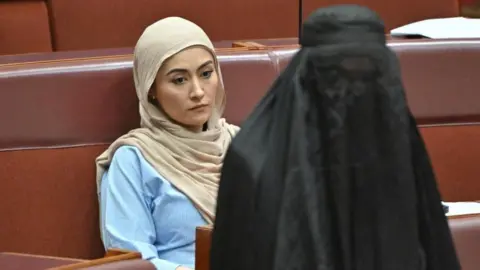
Lidia Thorpe, who represents Victoria as an Aboriginal Australian woman, vocally objected to King Charles's presence, claiming, "This is not your land." She reiterated calls for a treaty between the government and First Nations people, underscoring that Australia is the only former British colony lacking such an agreement. Thorpe's passionate interruption came just moments after King Charles spoke about the wisdom he has gained from Indigenous peoples during his multiple visits to Australia.
The royal couple's visit included a ceremonial welcome and a meeting with the public, who largely turned out to greet the King and Queen. Despite Thorpe's protest, others praised the royal family's cultural significance to Australia. As conversations about transitioning to a republic and recognition of Indigenous rights continue, Thorpe's protest illustrated that the monarchy's role in Australia remains a contentious issue.
In the wake of the incident, Thorpe emphasized her message to the King, calling for parliamentary discussions on a peace treaty with Indigenous peoples, reflecting a growing desire for acknowledgement and reparative justice in Australia’s ongoing journey toward reconciliation.
Lidia Thorpe, who represents Victoria as an Aboriginal Australian woman, vocally objected to King Charles's presence, claiming, "This is not your land." She reiterated calls for a treaty between the government and First Nations people, underscoring that Australia is the only former British colony lacking such an agreement. Thorpe's passionate interruption came just moments after King Charles spoke about the wisdom he has gained from Indigenous peoples during his multiple visits to Australia.
The royal couple's visit included a ceremonial welcome and a meeting with the public, who largely turned out to greet the King and Queen. Despite Thorpe's protest, others praised the royal family's cultural significance to Australia. As conversations about transitioning to a republic and recognition of Indigenous rights continue, Thorpe's protest illustrated that the monarchy's role in Australia remains a contentious issue.
In the wake of the incident, Thorpe emphasized her message to the King, calling for parliamentary discussions on a peace treaty with Indigenous peoples, reflecting a growing desire for acknowledgement and reparative justice in Australia’s ongoing journey toward reconciliation.