In brief
The Pointe-au-Chien Indian Tribe is on the front line of Louisiana's coastal erosion crisis, having lost significant land over generations. To combat this, the tribe is building oyster shell reefs, fortifying homes against extreme weather events, and seeking community resilience. Their efforts aim to preserve not just their homes but also their rich cultural heritage and ecosystems. As they tackle these challenges, their determination highlights the urgent need for action against climate change induced erosion.
The Pointe-au-Chien Indian Tribe's perspective has dramatically changed as they witness the encroachment of coastal waters into their lands, which were once vibrant with flora and fauna. Cherie Matherne, the tribe’s operations director, underscores the urgency of their cause: We want to be able to make it so that people can stay here for as long as possible. This sentiment is increasingly resonant as nearby Indigenous tribes, such as the Jean Charles Choctaw Nation, have been forced to relocate due to the ravaging effects of climate change, losing nearly all their island home.
Louisiana's coastline has seen significant retreat since the 1930s, with erosion attributed to factors like levee construction, rising sea levels, and the intrusion of saltwater into previously freshwater wetlands. This land loss, roughly 2,000 square miles since the early 20th century, poses threats not only to the tribes but to the entire region's ecology and infrastructure as well.
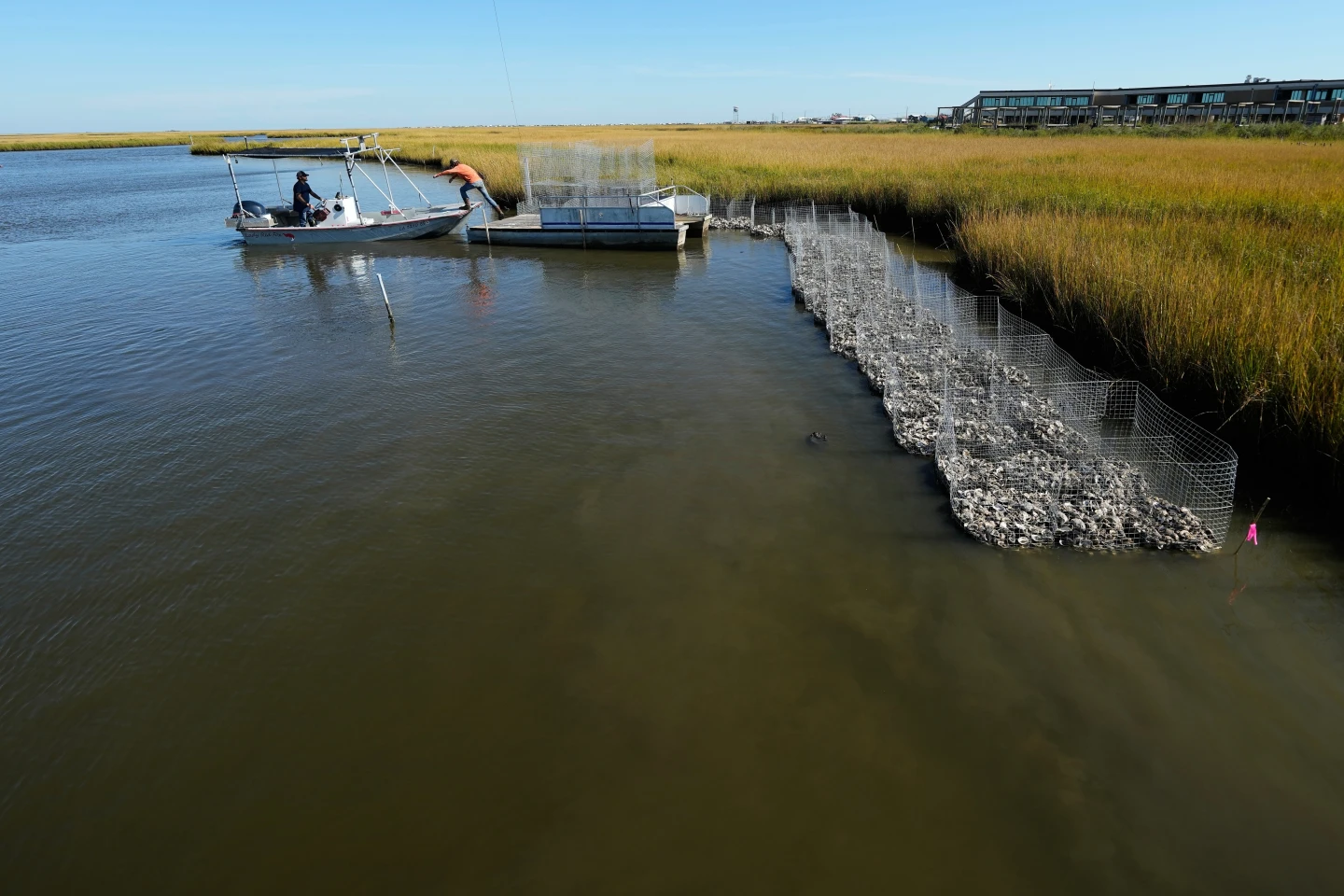
To tackle these challenges, the Pointe-au-Chien Tribe is employing strategic measures. The Coalition to Restore Coastal Louisiana initiated a program using recycled oyster shells for reef construction, managing to reduce erosion rates by over 50% in areas where they have been implemented. However, the limited availability of shells and high costs complicate the widespread application of this method.
In addition to ecological strategies, the tribe is also focused on rebuilding homes that can withstand future storms. After Hurricane Ida devastated the region, many residents returned with a commitment to fortifying structures while enhancing community resilience. They hope these improvements will encourage younger families to settle in Pointe-au-Chien, integral to their cultural continuity.
Their efforts are hampered by a lack of federal recognition, which limits access to critical funding and assistance. Nonetheless, perseverance characterizes their initiatives as they adapt to the changing landscape, hoping to serve as a buffer against climate threats in Louisiana.