In brief
The ongoing gang warfare in Port-au-Prince, Haiti, exacerbated by political instability, has left a staggering 760,000 children facing famine, as families like Venda's retreat in fear, while Kenyan military forces strive to restore order against overwhelming odds.
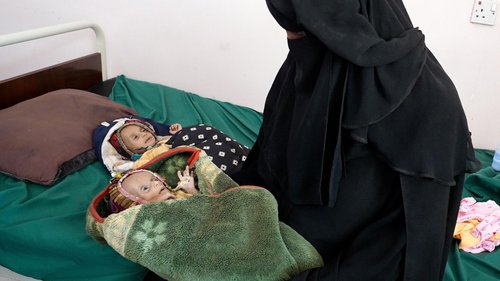
The plight of Haiti’s citizens is deeply alarming as the country is consumed by rampant gang violence following the 2021 assassination of President Jovenel Moïse. Two-year-old Shaina, struggling with severe malnutrition, embodies the vulnerability of the 760,000 children at risk of famine in the capital, Port-au-Prince. Her mother, Venda, spent weeks in terror, unable to leave her home to seek medical care, and now desperately seeks assistance for her emaciated daughter at one of the few operational hospitals.The spiraling violence has led to gang control over approximately 85% of Port-au-Prince, and the streets tell a grim story. Gunfire can erupt anywhere, even within the walls of a hospital where shooting incidents have left both patients and healthcare workers in a state of constant fear. Medical staff report a surge of patients—young men with gunshot wounds victimized by the ongoing gang wars.Committed to restoring peace, a Kenyan-led Multinational Security Support Mission (MSS), authorized by the UN Security Council in October 2023, is currently deployed in Haiti. However, the troops encounter fierce resistance at nearly every turn. As they patrol the desolate streets, reminders of violence appear in burned-out vehicles and makeshift barricades erected by the gangs. A recent confrontation with armed assailants highlighted the dangers of their mission, as officers quickly learned to maneuver through the violent confrontations.Those who survived the gangs’ brutality have paid a price. Pierre, a victim who suffered a gunshot wound during an altercation, articulated a widespread longing for a stable government and supportive youth programs to address the gang epidemic particularly afflicting the young. Criminal organizations like Gran Ravine capitalize on the absence of economic prospects, offering young boys a path that leads to violence—a cycle that is devastating communities and contributing to a humanitarian crisis.While the Kenyan forces continue to fight against a gang population exceeding 12,000, the mission’s success largely hinges on the promised arrival of additional troops. The challenges are staggering, with children as young as nine being recruited into gang ranks and civilians across Port-au-Prince living in constant fear of violence and victimization. The burgeoning density of gangs has led to hundreds of thousands fleeing their homes, turning schools into makeshift shelters for those escaping the terror.One such refugee, Negociant, recounts her desperate struggle to protect her family as she moved from street to street to avoid danger. The haunting reality of life in Haiti today is one of chaos, where families hope for safety amidst ongoing battles that threaten their very survival.