In brief
The Belarusian military exercises, known as 'Zapad 2025', which commenced on September 15, 2025, have re-ignited fears across Eastern Europe due to past parallels with the Russian invasion of Ukraine. Official reports indicate that up to 30,000 troops may participate in the maneuvers, which include training on nuclear capabilities and responses to hypothetical attacks. Neighboring countries, particularly Poland and Ukraine, voice their concerns over potential military provocations amidst a backdrop of heightened tensions following recent drone incursions into Polish airspace. NATO remains vigilant, preparing countermeasures and monitoring the situation closely.
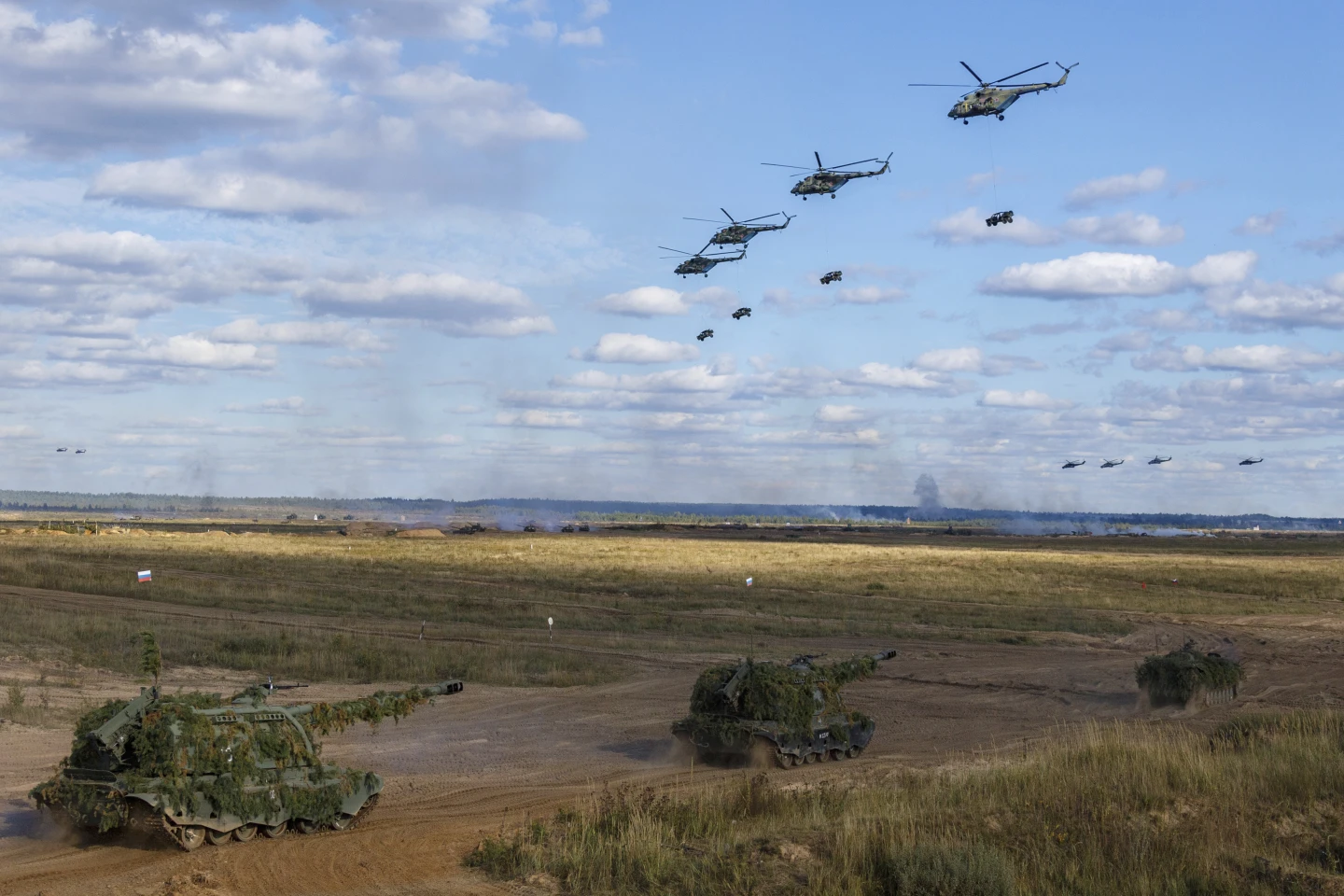
TALLINN, Estonia — The latest joint military exercises by Russia and Belarus, dubbed 'Zapad 2025', have commenced, reflecting renewed tension in Eastern Europe, particularly against the backdrop of the ongoing conflict in Ukraine. The drills are set to take place in Belarus from September 15 to September 16 and will simulate scenarios involving repelling attacks amid widespread regional anxiety.
The military maneuvers occur amidst scrutiny from Ukraine and its Western allies, including Poland, Latvia, and Lithuania, who are wary of Moscow's intentions, especially given the historical context of previous operations that paved the way for the invasion of Ukraine in 2022.
Belarusian officials initially estimated that around 13,000 troops would partake, but recent adjustments suggest participation may be limited to around 30,000. As part of the drills, the Belarusian military will be practicing operations involving nuclear weapons and military coordination with Russian forces. Ukrainian foreign officials have decried the exercises as potentially threatening to European peace efforts.
Compounding the situation, Polish authorities reported interceptions of Russian drones crossing into their territory, heightening the sense of urgency among NATO members. Polish Prime Minister Donald Tusk described the military drills as representational of aggressive posturing.
NATO is responding with its own military exercises to ensure preparedness. Despite Belarus’s efforts to downplay the scale of their exercises, the threat perception remains high, particularly concerning strategic locations such as the Suwalki Gap—a crucial corridor between NATO members Poland and Lithuania, which separates Belarus from the Russian exclave of Kaliningrad.
With regional dynamics at stake, the narratives coming from Belarus and Russia point towards intensifying military interactions. Leaders from neighboring countries and NATO are cautiously navigating the potential implications of these military drills, with security on high alert.