In brief
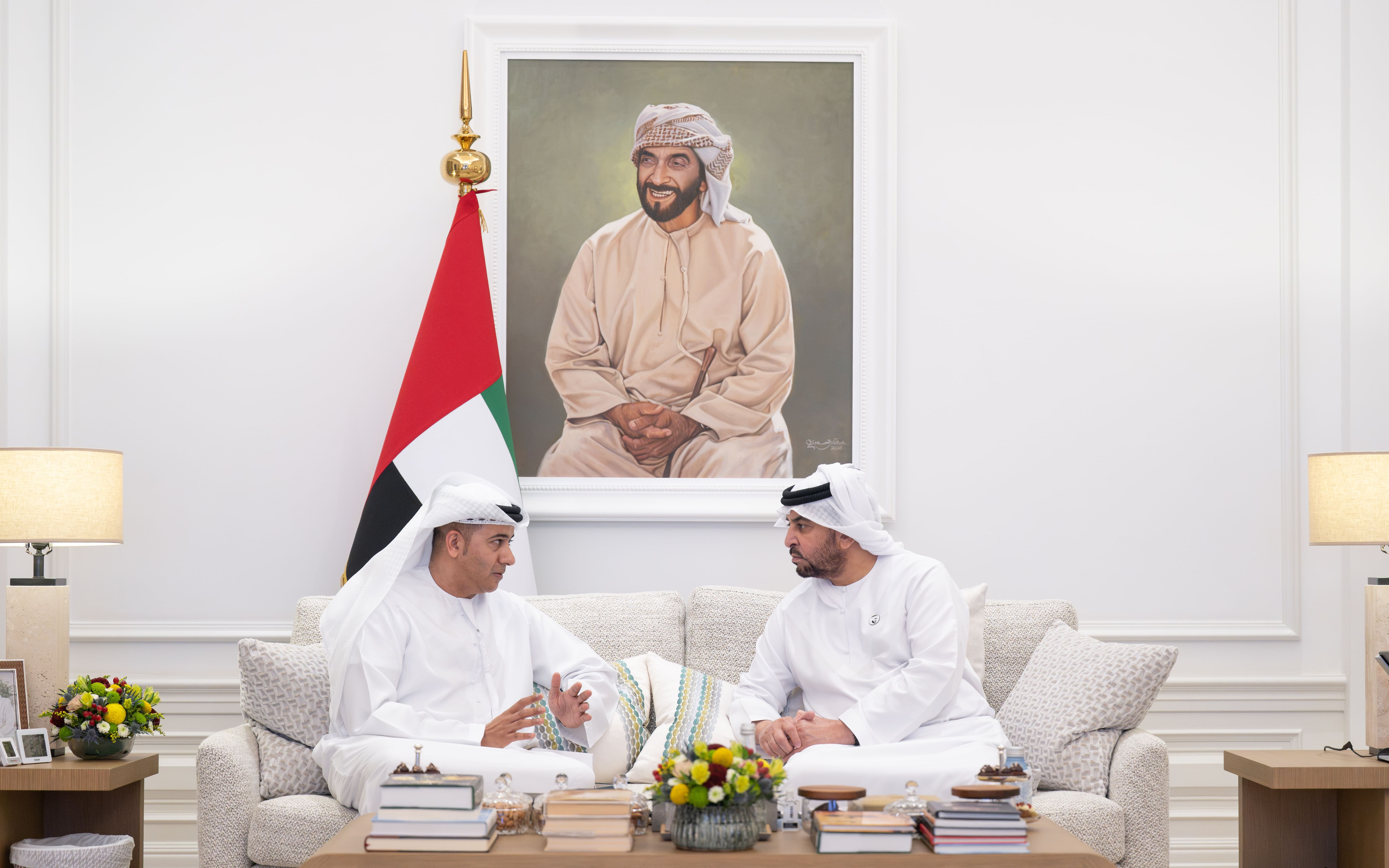
At Al Nakheel Palace on 1 November 2026, Sheikh Hamdan bin Zayed Al Nahyan met with FANR leaders to discuss regulatory strategies for nuclear safety and the expansion of Emirati roles in the sector. The meeting highlighted blended efforts between government leadership, international oversight and Emiratization initiatives that push the UAE toward a self-sufficient nuclear framework.
On 1 November 2026 at Al Nakheel Palace in Abu Dhabi, Sheikh Hamdan bin Zayed Al Nahyan welcomed the Federal Authority for Nuclear Regulation (FANR) delegation led by Director General Hamad Al Kaabi, according to the WAM news agency. The visit was part of a wider effort to strengthen the UAE’s nuclear safety infrastructure and to reinforce domestic expertise in the sector.
The core agenda revolved around FANR’s regulatory activities designed to ensure nuclear safety—the protection of people and the environment from harmful effects of nuclear energy—as well as security and the peaceful use of nuclear technology. Banarabi outlined the Authority’s recent achievements, providing a detailed overview of its operations and priority projects.
“The progress achieved by the UAE in the nuclear sector is part of the vision of President His Highness Sheikh Mohamed bin Zayed Al Nahyan and the directives of the wise leadership,” the WAM report notes. The statement frames nuclear regulation as a strategic pillar for sustainable development, bridging advanced technology and environmental stewardship.
National capacity building was a key point of discussion. Sheikh Hamdan commended the dedication of local teams in establishing a “comprehensive and robust system for emergency preparedness and response.” The term “emergency preparedness” refers to protocols and drills designed to manage potential incidents at nuclear facilities, thereby protecting society and infrastructure.
The delegation also reviewed FANR’s strategies for Emiratisation—a policy aimed at increasing Emirati representation in high‑skill roles. Emirati nationals comprise more than 79 % of FANR’s workforce, according to the report. This demographic shift is intended to sustain the country’s expertise and to reduce reliance on foreign specialists.
“These efforts support the sustainability of national expertise and its ability to keep pace with the sector’s requirements and developments,” the WAM article states, emphasizing the importance of continuous professional development and the cultivation of specialized knowledge among Emiratis.
In addition to domestic priorities, FANR leaders discussed the importance of staying abreast of emerging nuclear technologies. International agencies such as the IAEA have recently inspected the Barakah Nuclear Energy Plant in the Al Dhafra region, a testament to the UAE’s growing participation on the global stage. The visit highlighted the need for an integrated regulatory framework that can adapt to fast‑moving scientific and technological advances.
FANR’s regulatory framework is built on a set of principles that mirror those adopted by the IAEA. These include safety culture, risk assessment, and a systematic approach to incident management. Adopting such measures ensures compliance with international best practices while safeguarding national interests.
During the meeting, the delegation reviewed FANR’s current protocols for handling emergency situations. The methodology involves a triage system—rapidly classifying incidents by severity and implementing measured responses. Safety culture encourages all employees to recognize potential hazards and to report risky conditions before they evolve into more significant threats.
Sheikh Hamdan underscored that nuclear safety is not only a technical requirement; it is also a social responsibility. “Ensuring the peaceful use of nuclear energy in the UAE safeguards society and the environment and supports the nation’s sustainable development journey,” the WAM article reports.
One of the most striking developments discussed was the expansion of local training programs. FANR collaborates with universities and technical institutes to deliver specialized curricula covering reactor physics, radiation protection, and nuclear fuel cycle management. These courses aim to produce highly competent Emirati professionals capable of leading future nuclear projects.
Future projects highlighted in the report include the construction of a new research reactor, intended to support national research initiatives and to provide training facilities for the next generation of nuclear scientists. The design will adhere to the latest safety standards, incorporating passive safety mechanisms and advanced digital control systems.
Looking ahead, FANR intends to refine its regulatory framework by integrating artificial intelligence and predictive analytics. These tools can enhance early warning systems and optimize maintenance schedules, reducing downtime and improving overall safety. By leveraging such technologies, the UAE positions itself as a forward‑looking regulator in an increasingly complex nuclear landscape.
In conclusion, the meeting between Sheikh Hamdan bin Zayed Al Nahyan and the FANR delegation reaffirmed the UAE’s commitment to safe nuclear development, resilience in emergency response, and the empowerment of Emirati talent. With continued collaboration between government, industry, and education, the nation is expected to evolve into a global benchmark for nuclear safety and innovation, as reported by WAM.