
In brief
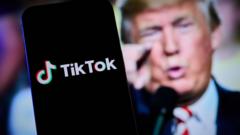
After stopping service amid a national security law, TikTok is back online in the U.S. following President-elect Trump's commitment to facilitate a deal that could protect the app's operations in America. This reversal comes amid political tension surrounding the platform's Chinese ownership and its addressal by both the outgoing and incoming administrations.
In a remarkable twist, TikTok has resumed its services for the 170 million users in the United States following a pledge from President-elect Donald Trump to delay the enforcement of a national security law that aimed to ban the popular app. The platform ceased operations for American users on Saturday night, coinciding with the law's activation, but was reinstated within hours after Trump's announcement of his plans to issue an executive order facilitating a potential deal.On Sunday, Trump, who had previously supported a ban on TikTok, expressed his new approach on Truth Social, urging companies to avoid keeping TikTok "dark." He indicated that he would employ an executive order to extend the timeline for the law's prohibitions, allowing for negotiations concerning national security concerns. In light of this, TikTok acknowledged the incoming president's reassurance and expressed willingness to collaborate on a long-term strategy to maintain its presence in the U.S.Despite the U.S. Supreme Court's recent upholding of the law, which mandates the sale of TikTok's U.S. operations by its parent company, ByteDance, to avert a ban, the exact legal basis for Trump's proposed delay remains uncertain. Nonetheless, sources suggest his administration might refrain from imposing the ban if the executive order is invoked.The swift restoration of TikTok services and a pop-up message thanking Trump signifies a notable change in tone. This follows a backdrop of political tension regarding TikTok's association with the Chinese government and highlighted divisions within the Republican Party regarding its future. Notably, Trump's nominee for Secretary of State, Marco Rubio, previously condemned the app, indicating significant intra-party conflict over its status.Following Trump's intervention, Senator Tom Cotton from Arkansas voiced his disapproval, asserting that businesses aiding TikTok could face severe legal ramifications. As the situation unfolds, TikTok users have regained access, but questions linger about whether third-party services like Google and Apple will reinstate the app.Experts caution that any executive order contradicting the law may face significant challenges in court, with several states already pursuing legal action against TikTok. While the reinstatement of services has occurred for existing users, the broader implications for app distribution and hosting services remain unclear, as highlighted by legal professionals.Trump's intention to protect companies from liability if they continue to support TikTok raises further uncertainties about the future of the app in the U.S. landscape, especially considering the contentious legal framework in place. The unfolding situation will likely be closely monitored to see how Trump’s executive order will shape the regulatory environment surrounding TikTok.


