In brief
Five tourists have died from suspected methanol poisoning in Laos, drawing attention to the ongoing epidemic of dangerous bootleg alcohol in Southeast Asia. Despite warnings, awareness among travelers remains low, exposing them to the dangers of methanol-laced drinks and the shortcomings of local regulation.
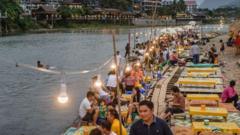
As travelers continue to flock to Southeast Asia for adventure, the shadow of a deadly threat looms: methanol poisoning. In a concerning turn of events, five tourists have reportedly succumbed to this peril while enjoying their holiday in Vang Vieng, Laos, a well-known stop on the backpacker trail. Among the deceased are a British woman, an Australian, an American, and two Danish nationals, with another Australian woman critically ill in the hospital. These incidents underscore the grim reality faced by many who indulge in local beverages without recognition of the risks involved.Historically, methanol poisoning has plagued the region, particularly in less affluent countries along the Mekong River, where regulations and law enforcement are minimal. The situation is exacerbated by a thriving bootleg alcohol industry that often prioritizes profit over safety. Notably, methanol, unlike its ethanol counterpart, is colorless and odorless, making it challenging for unsuspecting consumers to detect its presence in drinks.The concerning fact is that the ingestion of just 25ml of methanol can be fatal, with symptoms often taking hours to manifest, complicating timely medical intervention. According to Medicins Sans Frontiers (MSF), the global prevalence of methanol poisoning is most acute in countries like Indonesia, Cambodia, India, and the Philippines, with Indonesia displaying the highest rates of incidents.In Vang Vieng, where the recent fatalities occurred, local bars and restaurants rely heavily on tourism, which can create an environment where vendors prioritize profit over safety. Observers suggest that unscrupulous producers may mix methanol into drinks to create cheaper or stronger concoctions. Moreover, the existence of counterfeit alcohol products further complicates efforts to ensure safe consumption.Despite longstanding issues related to peer-generated bootleg alcohol, heightened awareness and prevention campaigns remain insufficient. Although consulates and governments in Western countries have begun to update their travel advisories regarding the consumption of alcohol in Southeast Asia, experts urge for a more comprehensive public health initiative focused on education.While some activists, like Australian Colin Ahearn, have campaigned through social platforms to raise awareness about the risks, there is a consensus that protecting tourists is challenging without broader regulatory reform within local alcohol industries. The realities on the ground indicate that this problem will persist unless substantial changes are made to both local regulations and tourist behaviors.The recent tragic events may serve as a catalyst for change, emphasizing the urgent need for both increased awareness among travelers and stricter safety standards to prevent further unnecessary tragedies in Southeast Asia's vibrant yet risky tourist landscape.