
In brief
New tariffs imposed by President Trump could lead to significant price hikes on everyday American goods due to increased costs of steel and aluminum, primarily affecting sectors like food, automotives, and construction.
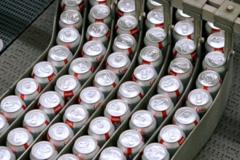
The recent announcement of a 25% tax on imports of steel and aluminum from countries such as Canada, Mexico, Brazil, and the European Union is stirring anxiety among American manufacturers and consumers alike. With this new measure, U.S. businesses intending to import metals will find their expenses escalating, which could ripple through to product pricing. Among the most affected products are canned foods, beer, and sparkling beverages. The Can Manufacturers Institute (CMI) reported that around 70% of the steel used for food canning in the U.S. is sourced internationally. Following the steel tariffs initiated in 2018, many can manufacturers were granted exemptions, but these may not be available this time. Robert Budway, the CMI's president, expressed concerns that without such exclusions, grocery prices for canned goods could see a significant uptick, impacting food security for many Americans. The worry escalates as aluminum users like Coca-Cola are also bracing for higher costs potentially passed on to consumers.The automotive industry is bracing for similar consequences. Major manufacturers like Ford and General Motors have cautioned that these tariffs could add around $1 billion to their operational costs, with consumers possibly facing price increases close to $300 per vehicle. Market conditions, where vehicle sales still lag significantly behind pre-pandemic levels, might force companies to moderate how much of these costs they can transfer to consumers. However, blanket tariffs expected to be applied to goods from Canada and Mexico, set to be reviewed in March, could amplify costs further and disrupt market dynamics.Additionally, the construction and housing sectors are apprehensive about the tariffs, as steel remains a crucial component in the building of homes and associated appliances. Stakeholders like Carl Harris from the National Association of Home Builders caution that these tariffs stand in stark contrast to the need for affordable housing solutions. Historically, previous tariffs led to a staggering $350 million increase in costs for appliance manufacturers such as Whirlpool, whose own pricing was influenced significantly by surging steel prices. The anticipation of similar price pass-throughs raises alarms for both builders and consumers looking for affordable housing options.The complexities of this situation reveal a fundamental economic challenge: while the tariffs may aim to bolster domestic steel production, they inadvertently place the financial burden on American consumers across multiple sectors.



