In brief
The passage of the Taranaki Maunga Collective Redress Bill signifies a momentous step towards addressing historical injustices faced by the Māori people in New Zealand, allowing Mt Taranaki to be recognized as a living entity with legal rights.
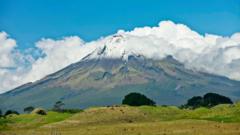
In a landmark move, New Zealand's Mt Taranaki has been granted the same legal rights as a person, marking a significant moment in the recognition of indigenous rights and environmental stewardship. The Taranaki Maunga Collective Redress Bill, which was passed into law after lengthy negotiations, establishes that the mountain will own itself, with local iwi and government representatives jointly managing its care. This decision serves as a means of compensating the Māori people of the Taranaki region for historical injustices perpetrated during colonization, notably through land confiscation.Paul Goldsmith, the government minister overseeing these negotiations, emphasized the importance of addressing the "hurt" caused by past injustices, expressing hope that this settlement would help iwi realize their aspirations. The bill not only elevates the legal status of Taranaki Maunga but also acknowledges the Māori worldview that sees mountains as ancestors and living beings. Debbie Ngarewa-Packer, co-leader of the Māori Party, celebrated the occasion, stating that Taranaki has been liberated from historical "shackles" of injustice. Accompanied by hundreds of other Māori attendees, the mood was one of hope and connection, as many consider the mountain a vital part of their cultural heritage.Officially, the mountain will no longer be referred to as Egmont, a name imposed by British explorer James Cook in the 18th century. Instead, it will be recognized under its traditional Māori name, Taranaki Maunga, with surrounding lands also taking on their original nomenclature. The settlement coincides with an apology from the government for the confiscation of both Mt Taranaki and over a million acres of land from the Māori in the 1860s during turbulent times. Goldsmith acknowledged that these breaches of the Treaty of Waitangi have inflicted deep and lasting harm to Taranaki's families and communities. To further ensure that access to the mountain remains unchanged, all New Zealanders will still be able to visit and appreciate this majestic natural landmark for generations. This development follows the establishment of legal personhood to other natural entities in New Zealand, including the Urewera forest in 2014 and the Whanganui River in 2017, reinforcing the country's commitment to recognizing the intrinsic rights of nature.