
In brief
In the city of Tver, a mix of pro-war sentiment and resignation permeates discussions among locals. Many align with the official narrative, while concerns about the war's toll on families and the economy emerge. Meanwhile, uncertainty about Donald Trump’s diplomatic approach to the situation leaves locals skeptical yet hopeful for peace.
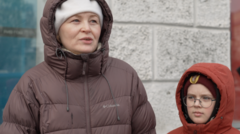
Driving into Tver, Russia, the omnipresence of military imagery is stark; recruitment posters detailing the need for volunteers to join the fight in Ukraine catch the eye at nearly every turn. Billboards depict soldiers in heroic poses, encouraging pride in their nation's actions. Although for residents like Mikhail, a local teacher, life carries on somewhat normally — shops open, traffic flowing, no immediate signs of the conflict — the shadow of war looms large in the backdrop."I know many who went to fight, some never returned," shares Anna, a Tver local. Her sentiments reflect a deeper reality—while many Russians may consume state television's version of the war as a mere backdrop, the consequences are profoundly felt by families who have lost loved ones. Skepticism about the conflict remains prevalent; Anna expresses hope for swift resolution amidst the ongoing strife.The perception of Donald Trump’s approach to the situation adds another layer of complexity. As whispers of about potential negotiations circulate, locals are unsure of what to expect. “Trump is a dark horse,” Anna states, encapsulating the uncertainty felt by many regarding his diplomatic strategy.While some residents echo official narratives, claiming Russia’s actions are defensive in nature, others exhibit war-weariness that transcends state propaganda. Andrei Kolesnikov, a local analyst, notes the preference within society to align with mainstream thoughts—a reflection often stemming from a desire for stability over scrutiny.Interactions with the local police highlight the broader climate of suspicion regarding foreign media presence in Russia. Police inquiries about the BBC's reporting activities indicate a suspicion toward foreign influences, which is echoed by state television's sudden interest in covering the story. This type of scrutiny serves as a reminder that, despite some individuals expressing eagerness to volunteer for the military effort, the overarching concerns about free speech and the media’s role persist.Economically, the toll of the conflict is palpable for everyday Russians struggling with rising prices. "The costs of everyday commodities are soaring; it's hard to cope,” reveals Yulia as she tends to her baby. The intersection of war effects and local economic struggles illustrates the layered impact of an extended conflict on the civilian population.In summary, while the pro-war narrative is still prevalent, there's a clear undercurrent of resignation, skepticism, and a yearning for peace among Tver's inhabitants. Many express doubts about Trump's lack of a strategic plan, suggesting that despite conflicting emotions about the ongoing war, hope for an end remains central to their aspirations.
