In brief
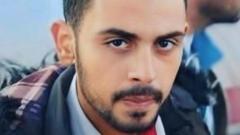
The heartbreaking story of Rifaat Radwan, a 23-year-old paramedic killed alongside 14 other emergency workers while attending to the wounded in Gaza, highlights the dangers faced by humanitarian workers in conflict zones. His mother, Hajjah Umm Mohammed, recalls the pain of losing her son instead of celebrating Eid, raising questions about the safety of medical personnel amid ongoing violence.
In a poignant testimony of loss and sorrow, Hajjah Umm Mohammed recounts the devastation of losing her son, Rifaat Radwan, a 23-year-old Palestinian paramedic, who was killed while aiding victims of violence in Gaza. The tragic incident occurred on March 23 when Rifaat and a convoy of emergency workers came under fire from Israeli troops on the outskirts of Rafah. Describing the heartbreak of not celebrating Eid with her son, Umm Mohammed reflects on the deadly day he was shot, noting the convoy was operating in what was considered a 'green' zone, deemed safe for ambulances.According to initial Israeli military accounts, the troops claimed to have opened fire due to perceived threats from the convoy. However, following the discovery of video footage filmed by Rifaat on his mobile phone—indicating that the emergency lights were active—Israeli officials revised their narrative, attributing the shooting as an unintentional mistake. Amidst the horrific footage, Umm Mohammed remembers Rifaat's voice before the assault, asking for her forgiveness, illustrating the deep emotional toll of his abrupt and violent loss.The Red Crescent Society where Rifaat volunteered declared that emergency personnel were deliberately attacked, calling for an independent international investigation. They argue that the killings constitute a violation of humanitarian laws that protect medical staff. The agency has faced substantial loss, with 27 of its colleagues reportedly killed in similar circumstances.One surviving medic, Munther Abed, recounted the attack, stating he dove to the floor of the ambulance as gunfire erupted, encapsulating the horror of witnessing his colleagues' deaths. His claims of mistreatment during capture have yet to receive a response from the Israeli Defense Forces (IDF).In the wake of these tragic events, the IDF has committed to a thorough review of the incident, while the ongoing violence in Gaza continues to result in a staggering death toll. With over 50,000 fatalities reported since October 2023 and concerns for humanitarian workers rising, the urgent call for accountability remains prevalent amidst the suffering. Umm Mohammed’s haunting words resonate loudly, reminding the world of the personal losses endured amidst the political chaos—the human cost of a conflict that shows no sign of resolution.