In brief
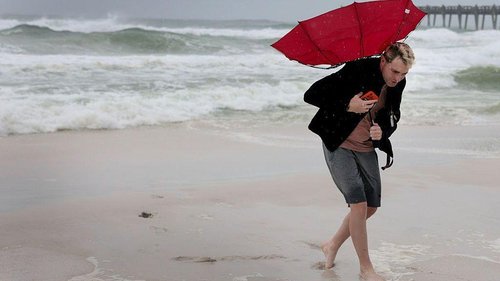
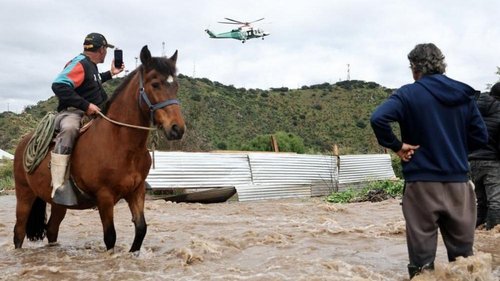
Cuba faces a severe challenge as Hurricane Rafael, packing winds of 185 km/h (115 mph), has caused the entire island to lose power. The national energy company confirmed that the hurricane forced a shutdown of the national electricity system and triggered emergency protocols. Making landfall on Wednesday evening in Artemisa, near the capital Havana, the storm has led to the evacuation of over 70,000 residents. The U.S. National Hurricane Center (NHC) cautions of dangerous storm surges and heavy rainfall, threatening life and safety across the island.
Hurricane Rafael’s national blackout follows recent power outages affecting millions of Cubans during Hurricane Oscar, revealing vulnerabilities within the island's aging energy infrastructure. As the category-three hurricane continues to traverse Cuba, concerns over flash flooding and mudslides mount, particularly in the western regions. Meanwhile, the Cayman Islands and Florida Keys remain under tropical storm warnings as Rafael transitions into the Gulf of Mexico, maintaining hurricane intensity. Despite the chaos, some residents, like British tourist Klara Kszczotek, express calmness amidst the storm, monitoring updates.Cuba’s recent experience with power outages raises alarms about the resilience of its electricity supply. As officials scramble to respond to the current disaster, the island confronts the difficult task of recovering from the impacts of natural disasters while confronting its energy challenges.