In brief
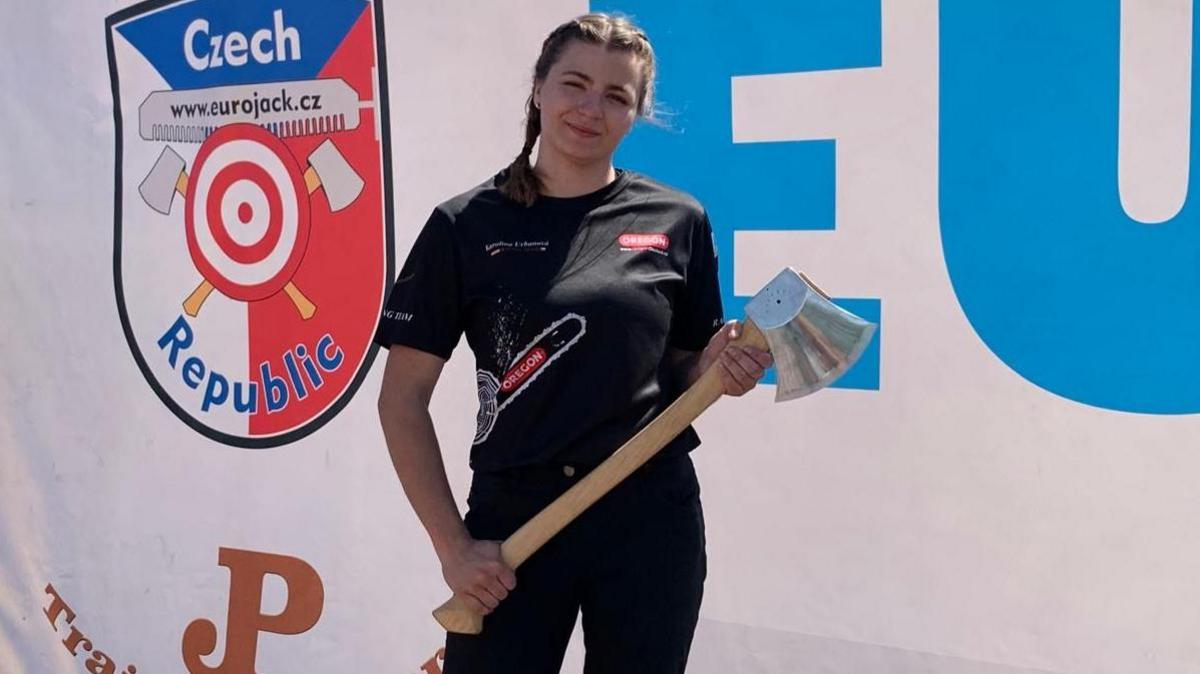
Karolina Urbanova, a 24‑year‑old from the Czech Republic, stunned the 2026 Lumberjack World Championships when she broke world records in both the Standing Block and Underhand Chop events. Nearby, local champion Meredith Ingbretson set a new Boom Run record, the first time a woman has done so since the event’s inception in 2022. The story highlights how women’s participation has more than tripled in the past three decades, thanks in part to collegiate programs, social media buzz, and a close‑knit community that hosts competitors from around the globe. These athletes combine rigorous training, family support and the growing inclusivity of the sport to redefine what it means to be a lumberjack today.
By Sheila Flynn 1 hour ago
Karolina Urbanova had never heard of lumberjack sports until a neighbour in her Czech village asked for help at a local competition in her teens. Now 24, she stunned the world by slicing through 22.8 cm of white pine in 19.38 seconds in the Women’s Standing Block event and cutting 11 inches in 21.28 seconds in the Underhand Chop, beating previous records of 21.17 seconds and 24.26 seconds respectively.
In the same championships, Hayward‑native Meredith Ingbretson set a new Women’s Boom Run record of 13.78 seconds, a fraction of the prior 13.98‑second mark. Growing up in a town founded on timber, Ingbretson practised log rolling from age three and has spent 28 years competing in logrolling before expanding into sawing and chopping.
The sport’s female participation has more than tripled in the past 30 years. Samantha LaSalle, director of the Lumberjack World Championships, notes that women were once limited to logrolling, but new events introduced in 2022—like the Women’s Standing Block—have opened doors. Social media and collegiate outreach have also fueled interest, particularly with many U.S. colleges now offering timber sports programs.
Beyond the records, the community aspect stands out. Urbanova stayed with a host family in Wisconsin after the competition, while Ingbretson and her husband were hosted in Tasmania last winter. “It’s a very welcoming and open community,” she says, “and you can see women continuing to compete even as their families grow.”
Both athletes cite rigorous training—weights, jogging, cardio—and a passion for the sport that drives them to travel the world, forge friendships and inspire other women. With record times dropping annually and new women entering the sport, the future of lumberjack competitions looks more diverse and competitive than ever.