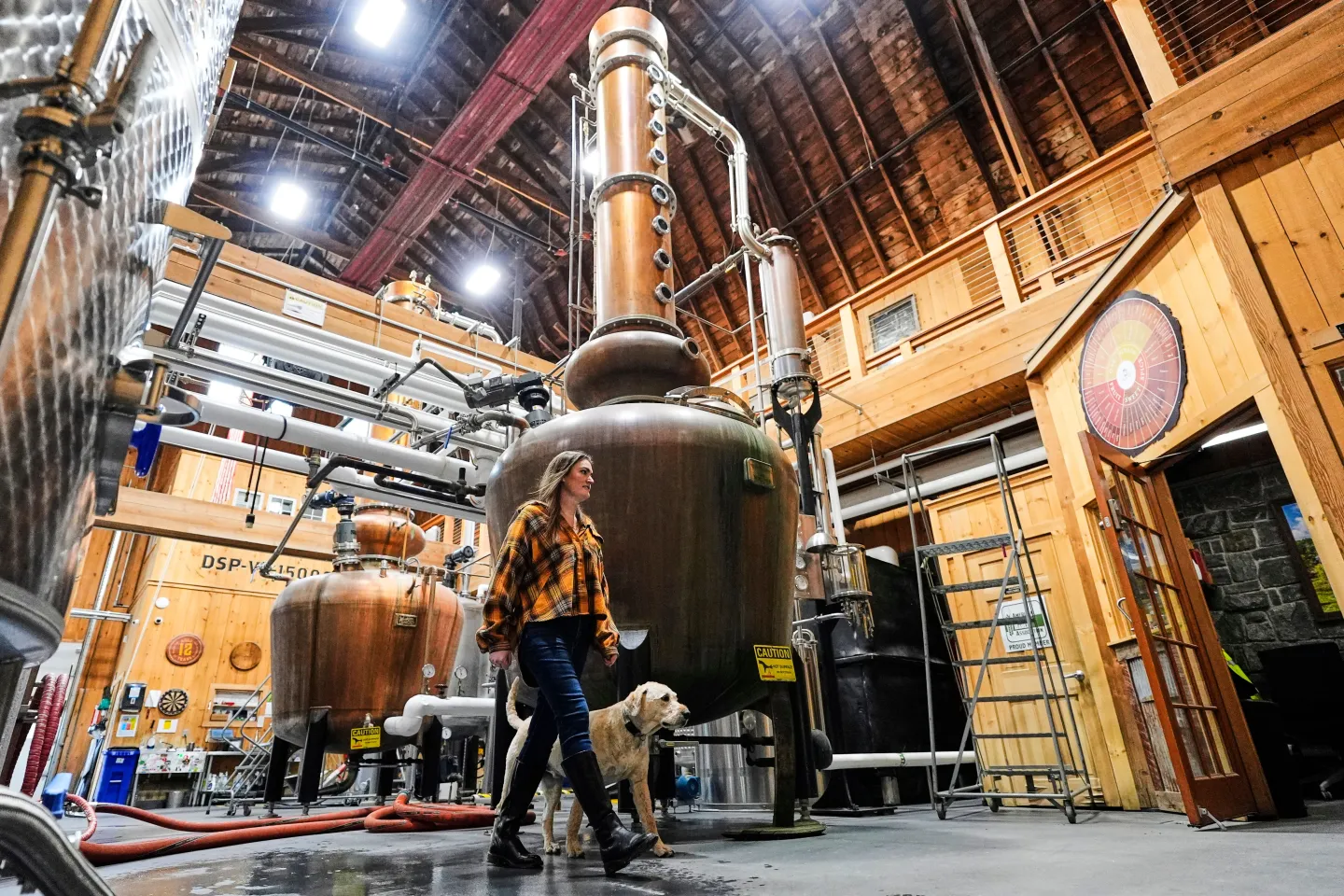
SHOREHAM, Vt. — Meghan Ireland always cherished chemistry, but it wasn't until she encountered an article about a female chemical engineer turned master whiskey distiller that she realized her passion could lead her to a career in making whiskey.
Now the chief blender for Vermont's WhistlePig, Ireland exemplifies the growing presence of women in an industry that has historically been dominated by men. With more women launching their brands and innovating in blending, the whiskey market is evolving just as consumer preferences shift toward inclusivity.
Challenging Stereotypes
Despite their rising prominence, female distillers often face skeptical questions regarding their passion for whiskey. Becky Paskin, founder of the OurWhiskey Foundation, recounts being asked at judging events whether she even enjoyed whiskey, a question she notes is rarely posed to men in the field. Addressing such gender biases is crucial as the industry works to change perceptions.
Historical Contributions
Women have played a pivotal role in whiskey-making throughout history, though recognition has often been overlooked. Maria Hebraea, an alchemist from the 2nd century, is credited with creating the first distilling device. By the 19th century, women were heavily involved in managing distilleries and crafting key recipes, such as the sour mash now synonymous with American whiskey.
Innovative Contributions
Since taking the reins at WhistlePig in 2018, Ireland has maintained the brand's consistency while pioneering experimental releases, including the award-winning Boss Hog VII. Her innovations illustrate how women are not just participants but are also shaping the future of whiskey, turning it into a beverage for everyone.
A Broader Representation
Judy Hollis Jones, who transitioned from the food industry to co-found Buzzard's Roost, reflects on the changing female demographic in whiskey-related events. As more women participate in tastings, the stereotype of whiskey drinkers is broadening beyond traditional boundaries, proving that love for bourbon comes in all shapes and sizes.
As the whiskey industry embraces these changes led by women, it highlights a commitment to creativity and representation, ensuring that whiskey is no longer perceived strictly as a man's drink.