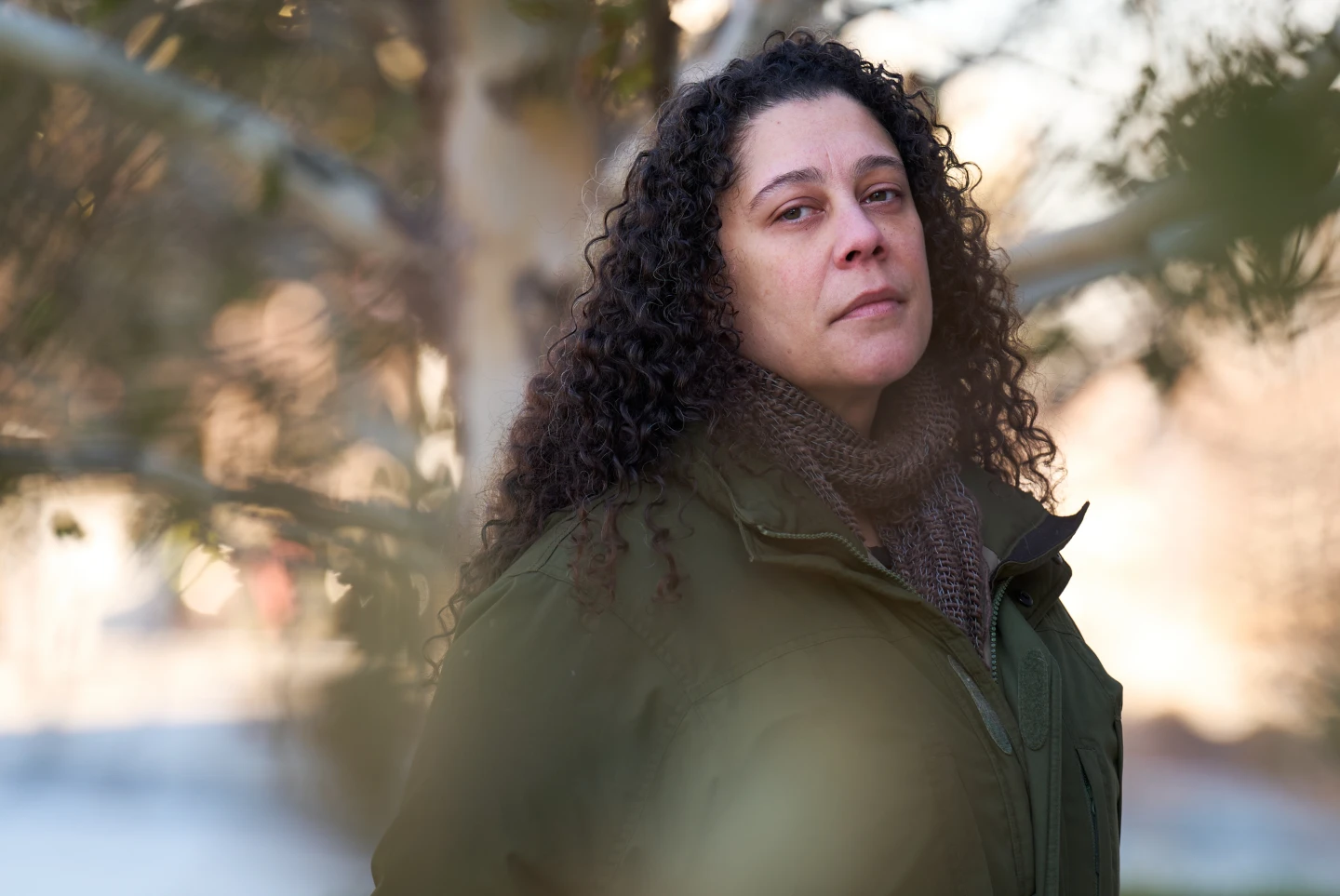
MILWAUKEE — Milwaukee County Circuit Judge Hannah Dugan is currently on trial accused of obstructing federal immigration authorities by allegedly helping a Mexican immigrant evade arrest during a court hearing. Prosecutors argue that Dugan actively interfered with the arrest by instructing federal agents to report to the chief judge’s office instead of apprehending the suspect at the courthouse.
After three days of testimony from the prosecution, Dugan’s defense team began presenting their case, including the potential witness statements aimed at shedding light on Dugan's actions during the incident. It remains unclear if Dugan herself will take the stand, as closing arguments are anticipated shortly.
Dugan's case is particularly notable for highlighting the intersection of judicial conduct and federal immigration policy, ignited by political tensions surrounding immigration enforcement under the previous administration. Supporters argue that this case exemplifies a troubling precedent where federal authority seeks to intimidate a judge known for her stance against aggressive immigration tactics.
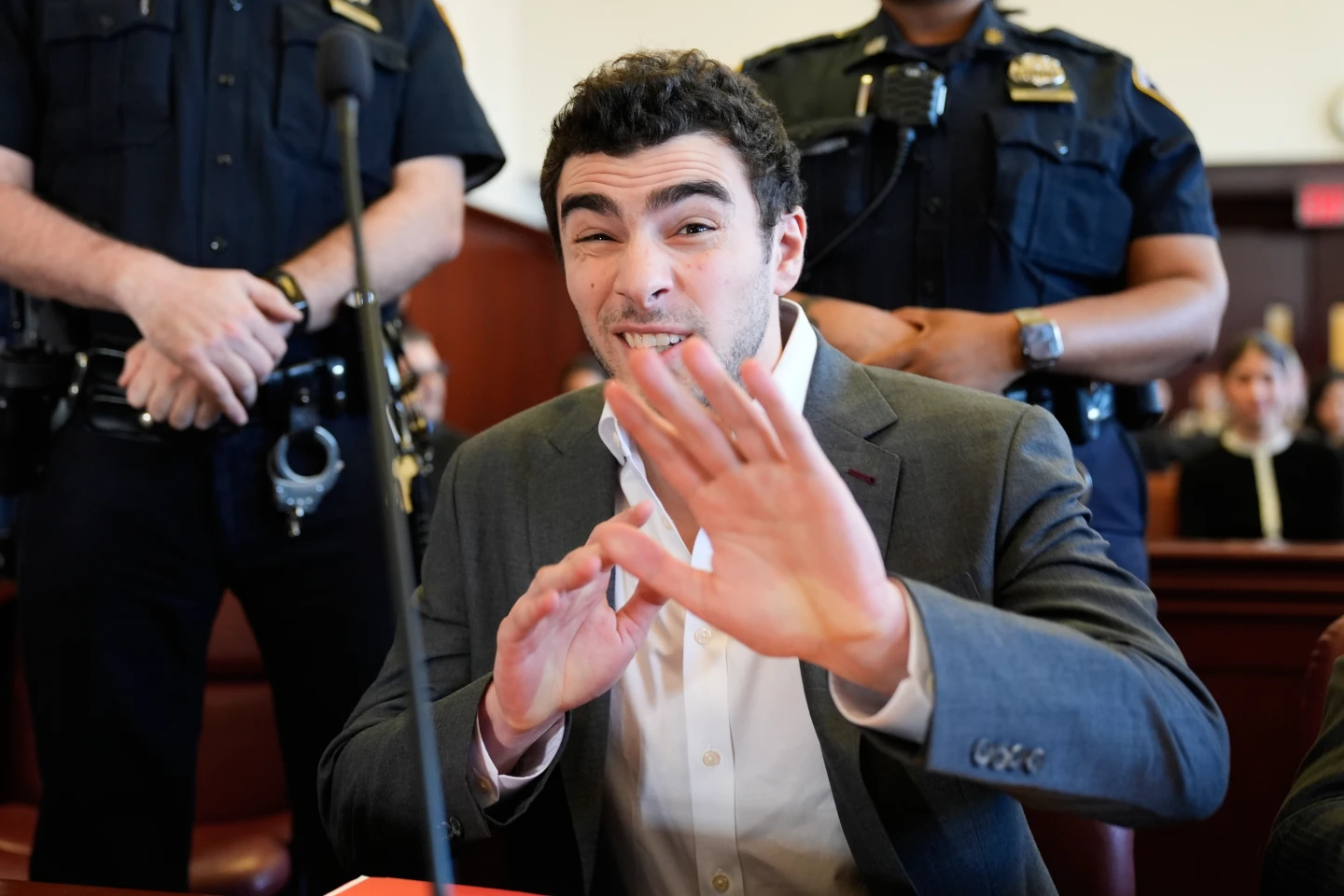
During the court proceedings, members of the federal immigration task force testified how they prepared to arrest Eduardo Flores-Ruiz, an undocumented immigrant, after he had been detained on state charges. On April 18, agents were poised to execute the arrest yet were caught off guard by Dugan's intervention.
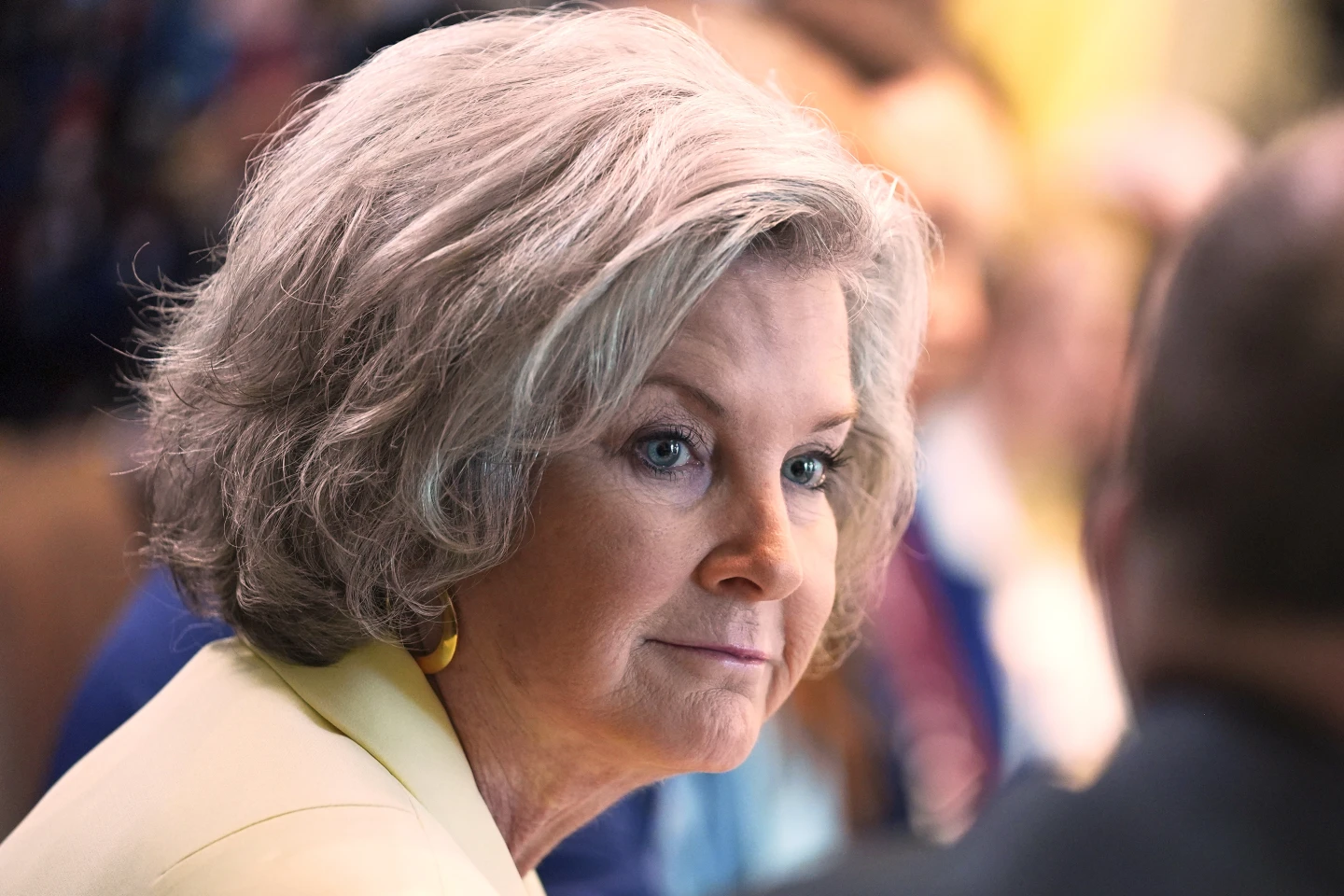
Witness accounts described how Dugan, along with fellow judge Kristela Cervera, confronted the arrest team, telling them that Flores-Ruiz could not be arrested inside the courthouse. Cervera expressed discomfort with Dugan's approach and explained that judges should not assist defendants in avoiding arrest.
Defense attorneys have countered that Dugan was adhering to a draft courthouse policy encouraging staff to notify their supervisors regarding immigration enforcement matters, challenging the prosecution's claims of intentional obstruction.
As the trial progresses, the legal ramifications could have lasting implications for the balance between judicial discretion and federal immigration enforcement, reflecting deep divides within the current legal and political climate.