In brief
With Israel set to impose a ban on the United Nations Relief and Works Agency (Unrwa), Palestinians in Gaza are confronted with an alarming humanitarian crisis. The agency, which caters to millions of Palestinian refugees, is seen as essential for food, medical care, and education. Without its operations, locals fear for their lives amid an already difficult situation.
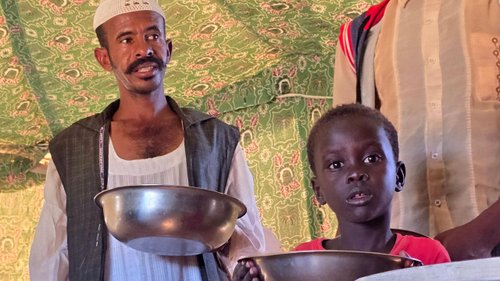
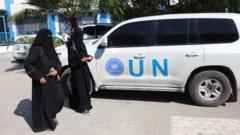
In the war-ravaged landscape of Gaza, the looming fears of its residents revolve around a potential ban on the United Nations Relief and Works Agency (Unrwa), a lifeline that millions have depended upon for humanitarian support. "Unrwa means everything to us: it is our life, our food, our drink and our medical care," states Yasmine el-Ashry, a resident from Khan Younis, articulating the sentiments of many who view the agency's existence as critical for survival. The recent Israeli legislative efforts to sever ties with Unrwa, based on allegations of complicity with Hamas, have intensified worries among the Palestinian populace. "Banning Unrwa is another war for the Palestinian people," asserts Saeed Awida, drawing attention to the perceived existential threat posed to his community. The Israeli government, backed by parties in the Knesset, sees this move as necessary for national security against what they term a "terrorist organization." Sharren Haskel, a co-sponsor of the bill, argues that if the UN does not take action to expel Hamas-linked individuals from Unrwa, Israel must step in for the safety of its citizens. However, Unrwa maintains its commitment to neutrality and humanitarian principles. According to Sam Rose, the deputy director of Unrwa in Gaza, the proposed ban would have catastrophic consequences. “It would essentially make it impossible for us to operate in Gaza,” he warns, fearing that restrictions on operational coordination with Israeli officials would hamper the delivery of essential supplies.Israeli media reports have revealed concerns from diplomatic and security circles about the ramifications of these actions, particularly the prospect of a humanitarian disaster in Gaza, where over two million people are reliant on Unrwa for vital services. Established in 1949 following the first Arab-Israeli conflict, Unrwa continues to serve approximately six million registered Palestinian refugees across multiple regions. Critics argue that it perpetuates the refugee crisis and stifles political resolution, while supporters assert it alleviates suffering through education, health care, and food assistance.Recent allegations against Unrwa personnel having ties to Hamas have further strained its position within Israeli society, leading to calls for greater accountability. Nonetheless, UN officials argue that dismantling the agency's operations will only serve to deepen the plight of refugees rather than resolve the conflict.Locals like Mohammed Salman from Deir al-Balah articulate a grim perspective: "The word 'refugee' will disappear. They do not want the word refugee. Israel is looking for this.” As the dust settles on the ongoing conflict, Gazans brace themselves for the potential fallout from these significant changes to their essential aid systems.