Ash Clouds Force Jakarta’s Grand Air Traffic Standstill
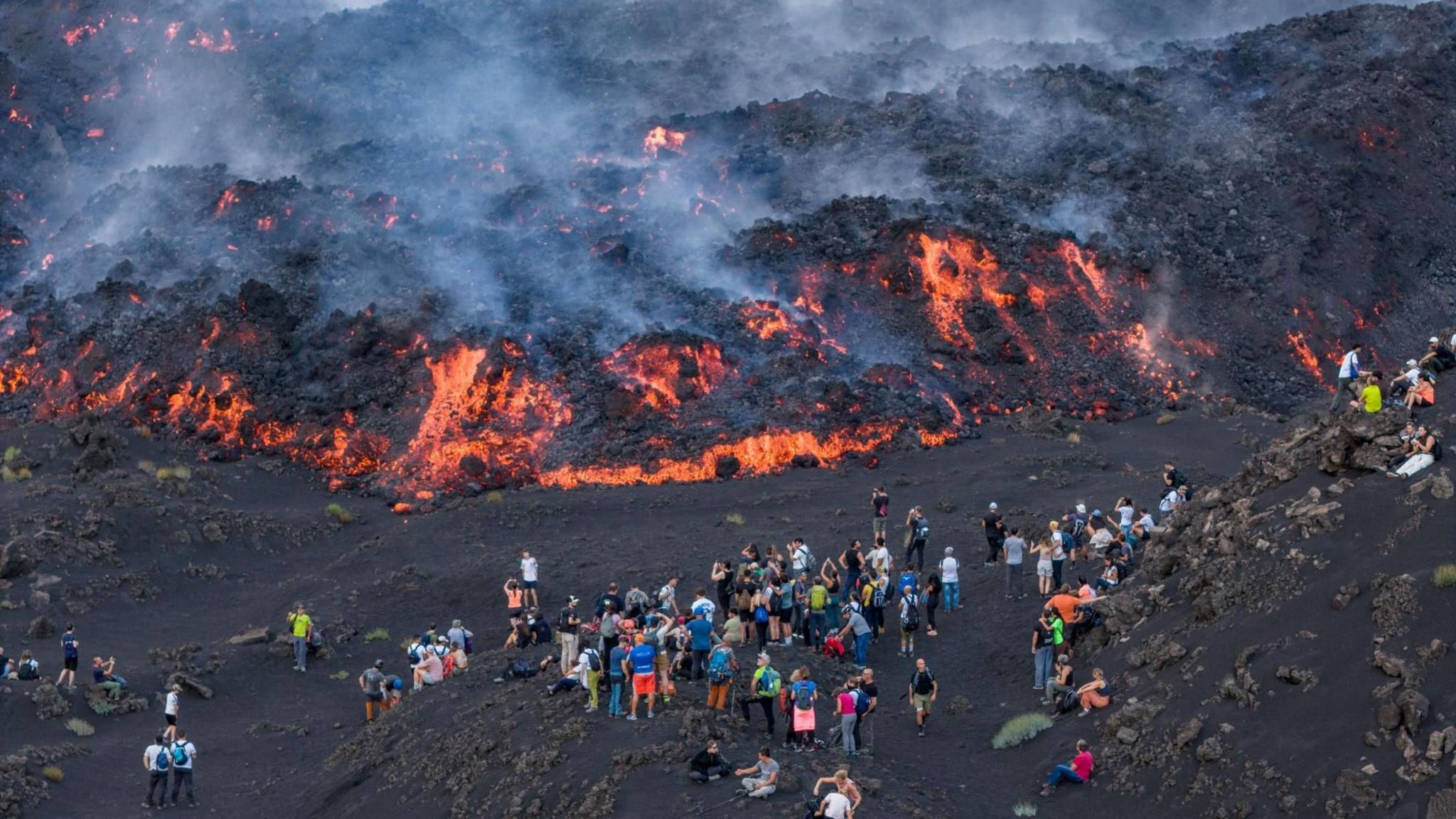
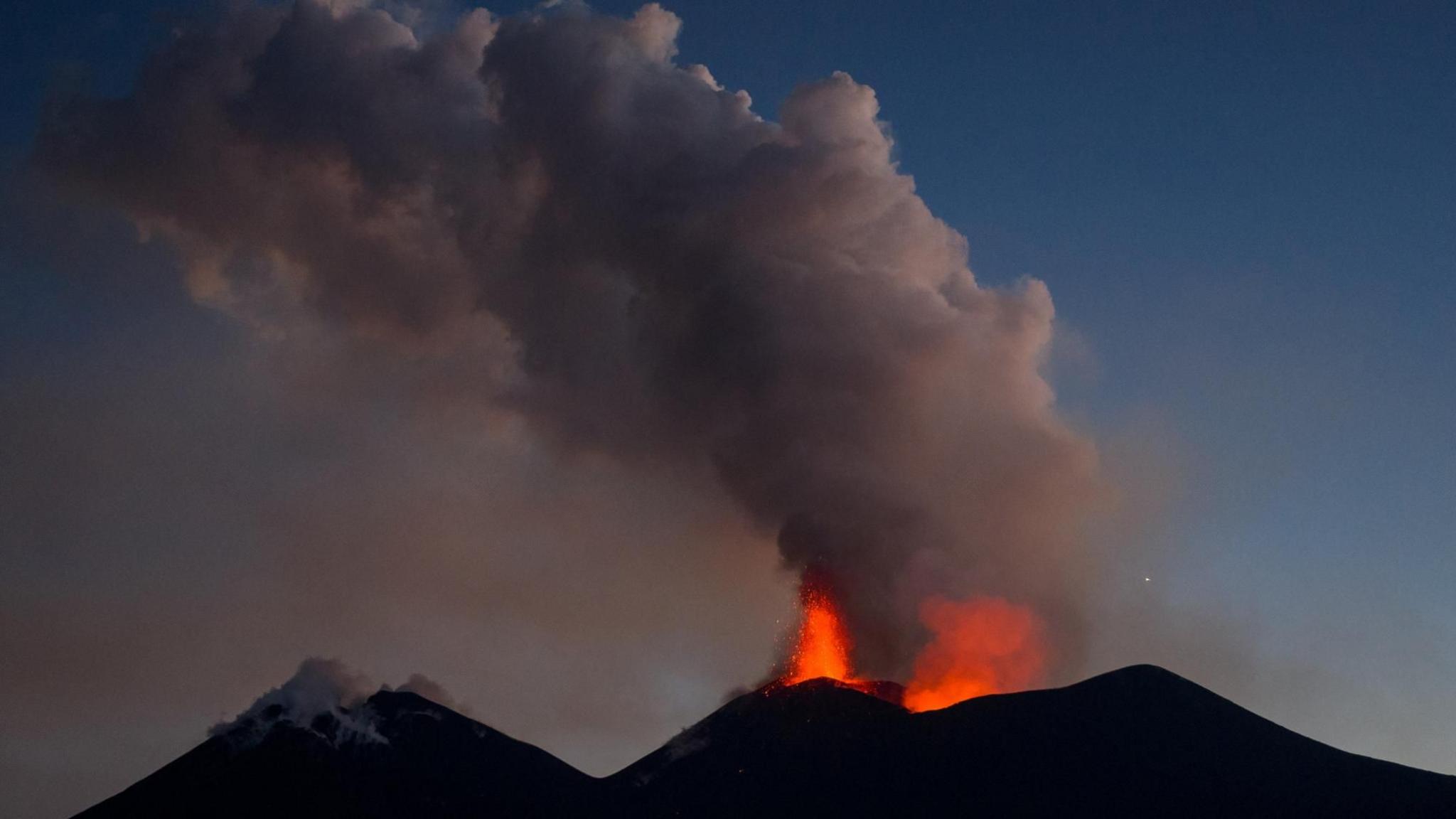
The Anak Krakatau volcano, located on the edge of the Sunda Strait just 90 km north of Jakarta, spewed lava fountains and ash that drifted over the city and surrounding provinces. From the late hour of the previous Friday through Sunday, the eruption produced ash layers up to 15,000 m above sea level on the Sumatra side and 6,000 m over Java, according to BMKG meteorological data.
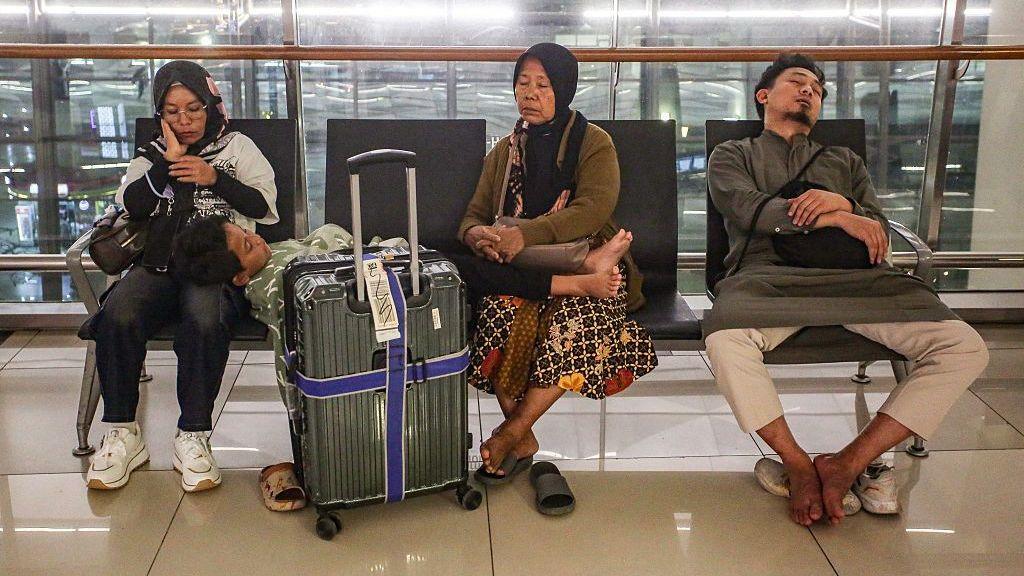
Faced with the mass of airborne particles, Jakarta’s main aviation hub, Soekarno‑Hatta International Airport, closed its operations until 18:00 local time on Monday, and the same deadline applied to the remaining three major airports in the capital area. The sudden shutdown halted more than 2,000 flights, trapped at least 270,000 passengers, and stirred waves of panic as travelers lined up in long queues to seek refunds and flight‑status updates.
Stranded Journeys and Community Adaptation
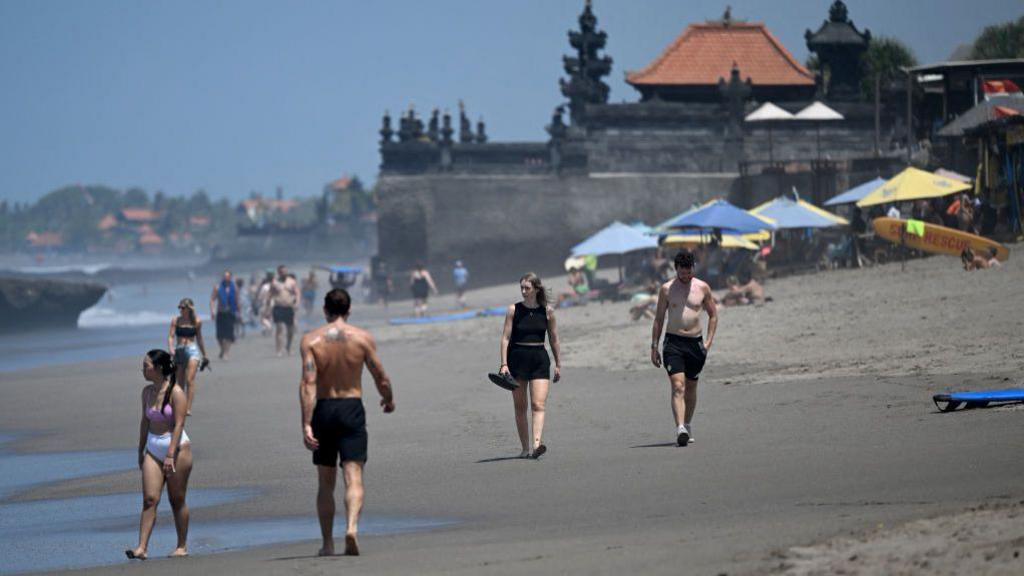
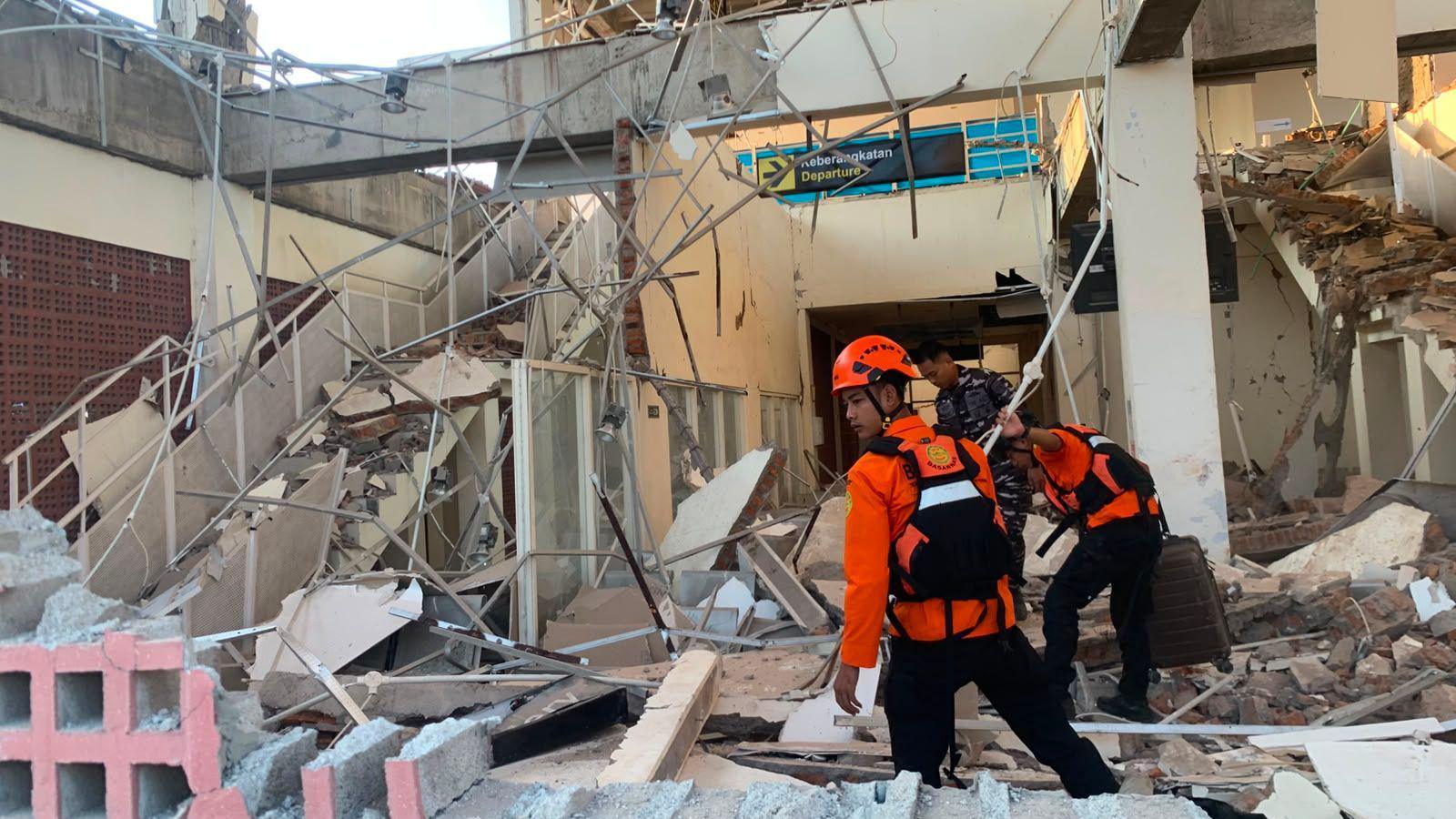
Passengers harried the departure halls, which were filled with people trying to get the next available flight. Those whose itineraries had already been cancelled chose alternative transport, with several taking intercity trains overnight. In the tourist community, a recently‑wed couple from Malaysia, still fresh off their Bali vacation, reported that the next direct flight back to Kuala Lumpur‑occupied Shanghai‑Bali route would not resume until 11 September. Local families, too, had to delay their return to Jakarta, purchasing extra hotel rooms and spending more cash on transportation.
Conservation groups that were scheduled to visit Java’s Ujung Kulon National Park were forced to shift their plans. The park’s authorities, in response to a 3 km exclusion zone around the active crater, warned that ships could not enter the Sunda Strait within the same radius, while no tsunami warning was issued despite the volcano’s past catastrophic collapse in 2018.
Continued Vigilance Amid Volcanic Activity
Indonesia’s Geological Agency stresses that the probability of additional eruptions remains high, and the Transport Ministry is conducting ash‑spread tests every 30 minutes. Peaks in ash drift could leave Jakarta’s airspace more hazardous, alongside the risk of a sudden shift in weather conditions that may limit flight safety. Passengers waiting for recovery of flight operations advise keeping close to updates from airport authorities and the Indonesian meteorological agency for real‑time guidance.
Historical Context and Geology
Anak Krakatau, meaning “Child of Krakatoa”, sits in the caldera created after the 1883 eruption of Mount Krakatoa. Since emerging from the sea at the start of the previous century, the volcano has shown sporadic activity until the 2018 collapse that triggered a deadly tsunami across Sumatra and Java. The ongoing eruption begs reminder that the Sunda Straits region—part of the Pacific Ring of Fire—remains one of the most volcano‑active, earthquake‑plagued zones on the planet.
Readers interested in deeper geologic context can explore interactive visualizations that chart volcanic activity across the Ring of Fire and its implications for air‑traffic safety and environmental impact. For detailed updates on the situation, the Indonesian news agency reports remain the most reliable source, supplemented by data from the BMKG and local guidance from Jakarta’s transport authorities.