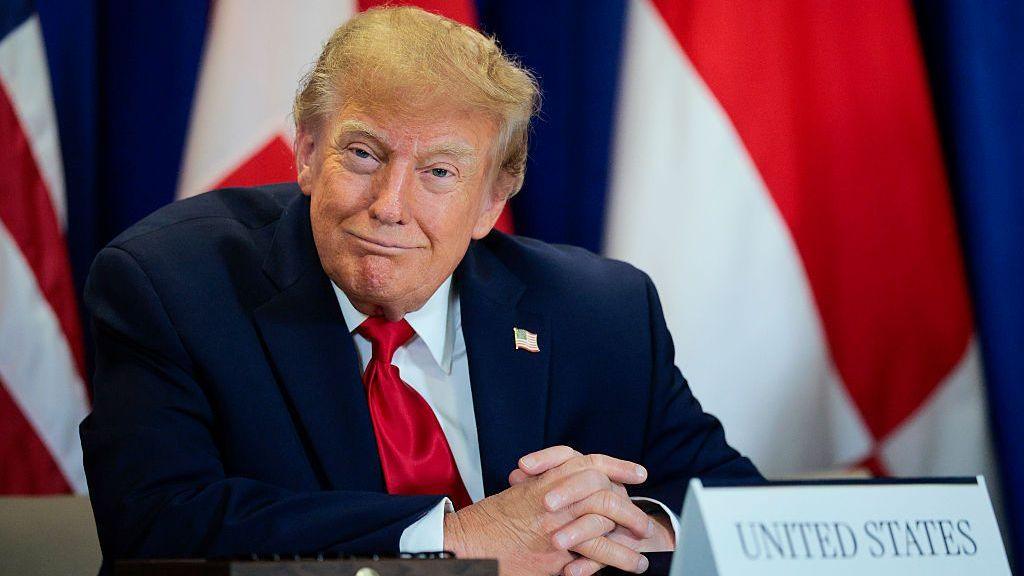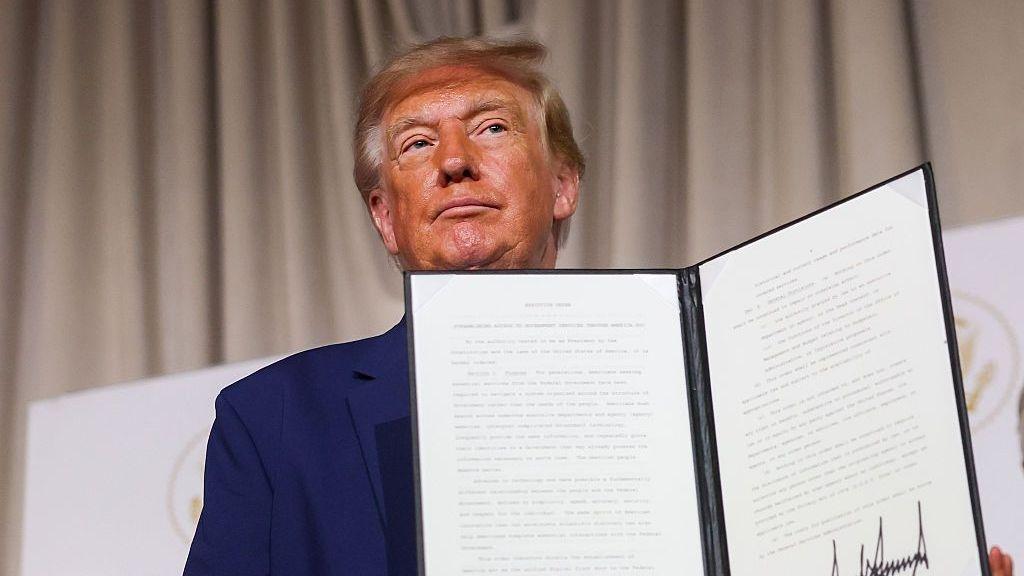
Donald Trump has made clear he covets Greenland. Now he claims to have secured the framework of a future deal to address defense on the island - a deal that he asserts includes rights to rare earth minerals.
So what natural resources does Greenland have? Greenland is believed to sit on top of large reserves of oil and natural gas. It is also said to be home to the vast majority of raw materials considered crucial for electronics, green energy and other strategic and military technologies – to which Trump has been pushing to secure America's access.
Overall, 25 of 34 minerals deemed critical raw materials by the European Commission are found in Greenland, including graphite, niobium and titanium, according to the 2023 Geological Survey of Denmark and Greenland. Greenland's strategic importance is not just about defense, Senator Ted Cruz, a Republican from Texas, said at a Senate hearing last year about the potential acquisition of Greenland, pointing to the island's vast reserves of rare earth elements.
Trump has sometimes downplayed the importance of those resources, pointing to what he claims is rising Russian and Chinese influence in the region to justify his claims that the US has to have the island. I want Greenland for security - I don't want it for anything else, he told reporters at the World Economic Forum in Davos, highlighting the difficulties of exploring in the Arctic region.
But access to the island's natural resources have loomed large for the administration, which has put the US economy at the center of its geopolitical vision and made combatting China's dominance of the rare earth industry a priority. Trump's interest in controlling Greenland is primarily about access to these resources, and blocking China's access, according to experts.
Even before Trump's second term, the US had been tightening its ties with Greenland, including reopening its consulate in the island's capital, Nuuk, in 2020, as a response to the expanding military presence of Russia and China in the Arctic.
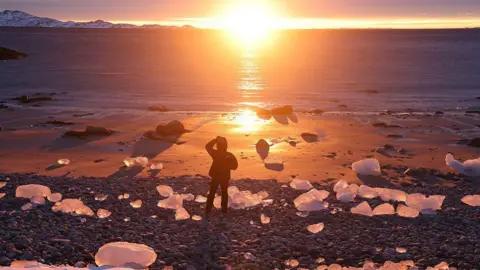
Since Trump's return to office, his allies have emphasized the island's commercial potential, with rising temperatures opening new sea routes and exploration opportunities in fisheries and other natural resources critical to defense.
However, critics argue that the necessity of US control over Greenland's resources is questionable. Mining in Greenland is expensive and complicated by harsh weather, infrastructure deficits, and a limited workforce, which has hindered foreign investment for years.
Rapidly melting ice is making resource access potentially more feasible, presenting the island as a significant location for national security due to its strategic shipping position and critical mineral deposits. Trump’s logic of a national security imperative appears economically driven as well, reflecting the complexity of accessing Greenland's vast mineral wealth.
So what natural resources does Greenland have? Greenland is believed to sit on top of large reserves of oil and natural gas. It is also said to be home to the vast majority of raw materials considered crucial for electronics, green energy and other strategic and military technologies – to which Trump has been pushing to secure America's access.
Overall, 25 of 34 minerals deemed critical raw materials by the European Commission are found in Greenland, including graphite, niobium and titanium, according to the 2023 Geological Survey of Denmark and Greenland. Greenland's strategic importance is not just about defense, Senator Ted Cruz, a Republican from Texas, said at a Senate hearing last year about the potential acquisition of Greenland, pointing to the island's vast reserves of rare earth elements.
Trump has sometimes downplayed the importance of those resources, pointing to what he claims is rising Russian and Chinese influence in the region to justify his claims that the US has to have the island. I want Greenland for security - I don't want it for anything else, he told reporters at the World Economic Forum in Davos, highlighting the difficulties of exploring in the Arctic region.
But access to the island's natural resources have loomed large for the administration, which has put the US economy at the center of its geopolitical vision and made combatting China's dominance of the rare earth industry a priority. Trump's interest in controlling Greenland is primarily about access to these resources, and blocking China's access, according to experts.
Even before Trump's second term, the US had been tightening its ties with Greenland, including reopening its consulate in the island's capital, Nuuk, in 2020, as a response to the expanding military presence of Russia and China in the Arctic.
Since Trump's return to office, his allies have emphasized the island's commercial potential, with rising temperatures opening new sea routes and exploration opportunities in fisheries and other natural resources critical to defense.
However, critics argue that the necessity of US control over Greenland's resources is questionable. Mining in Greenland is expensive and complicated by harsh weather, infrastructure deficits, and a limited workforce, which has hindered foreign investment for years.
Rapidly melting ice is making resource access potentially more feasible, presenting the island as a significant location for national security due to its strategic shipping position and critical mineral deposits. Trump’s logic of a national security imperative appears economically driven as well, reflecting the complexity of accessing Greenland's vast mineral wealth.