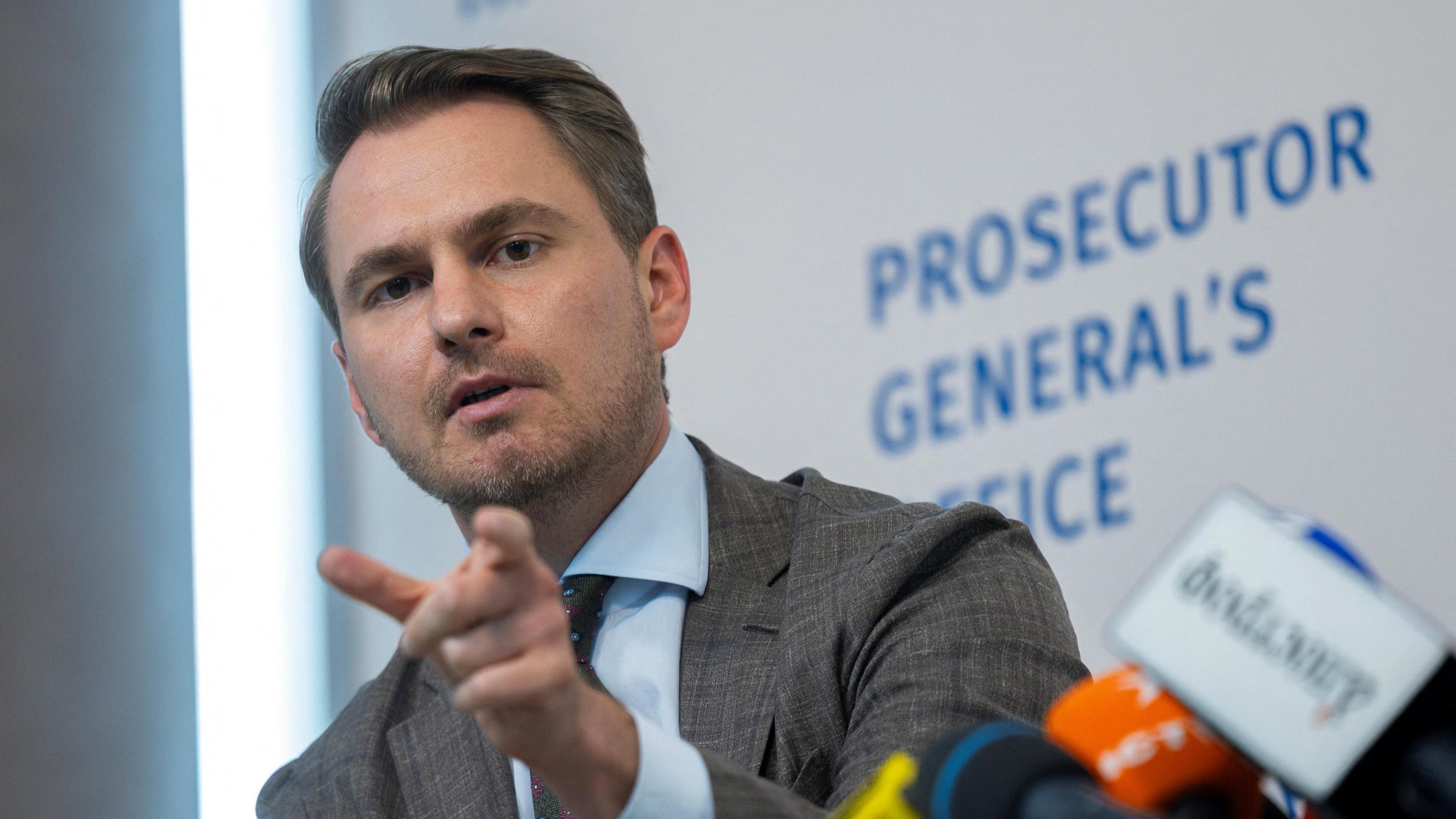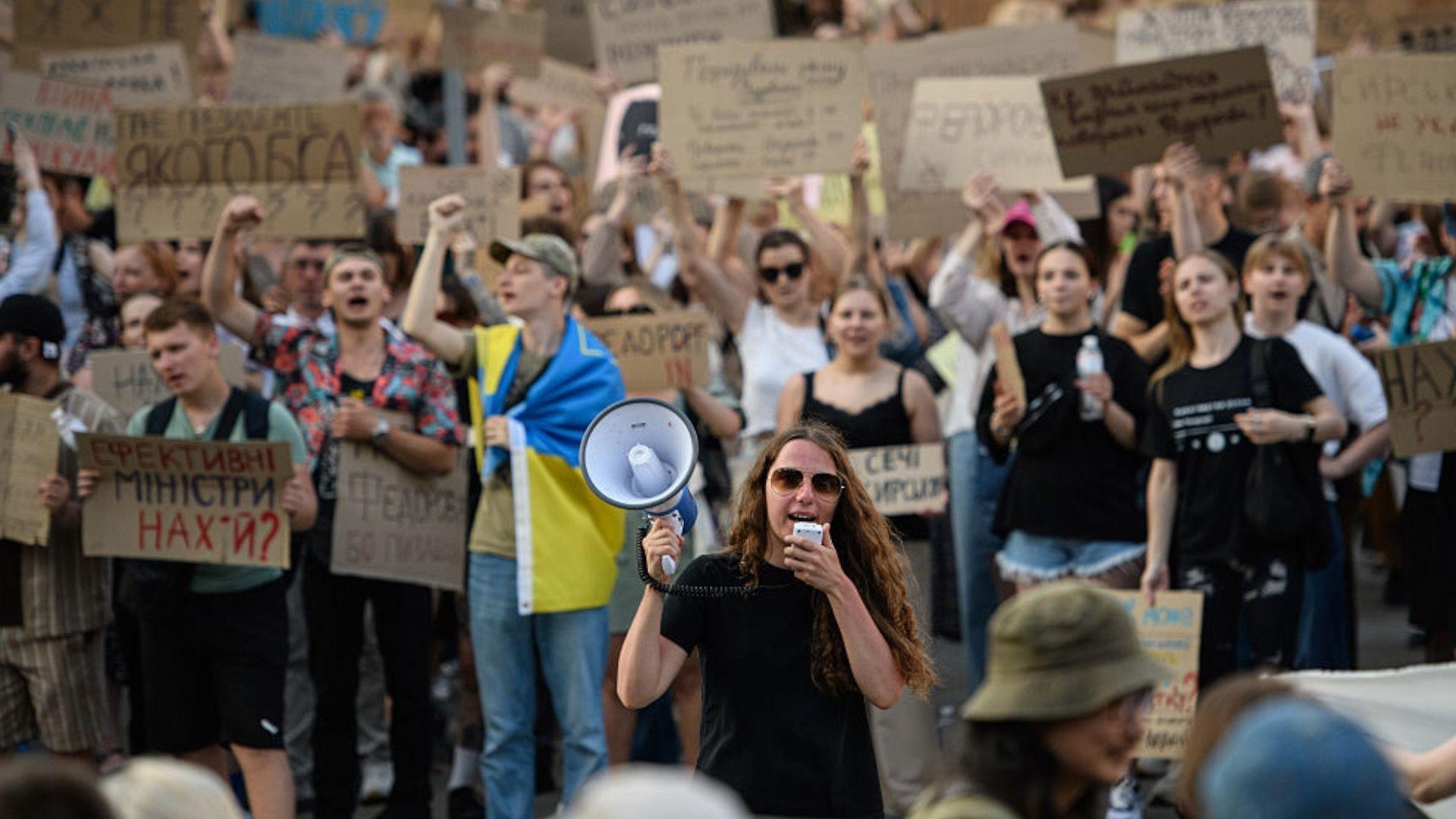
Soldiers in Ukraine are outraged after the removal of Defence Minister Mykhailo Fedorov, a move that has sparked street protests in Kyiv and raised questions about the continuity of the country’s war‑time reforms.
The dismissal follows President Zelensky’s latest cabinet reshuffle, in which Fedorov was not re‑appointed after a brief yet impactful tenure. His leadership had introduced digital transformation, drones, and data‑driven tactics that have helped Ukraine counter a larger adversary.
Tracks of disappointment travel across the ranks. Ukrainian soldiers quoted in a conversation with BBC journalists expressed feeling betrayed, declaring the dismissal a “slap in the face” to front‑line troops who had fought under Fedorov’s strategies. One soldier, speaking anonymously, emphasised the risk of losing the momentum built by the up‑to‑date tactics that now support Ukraine’s defence.
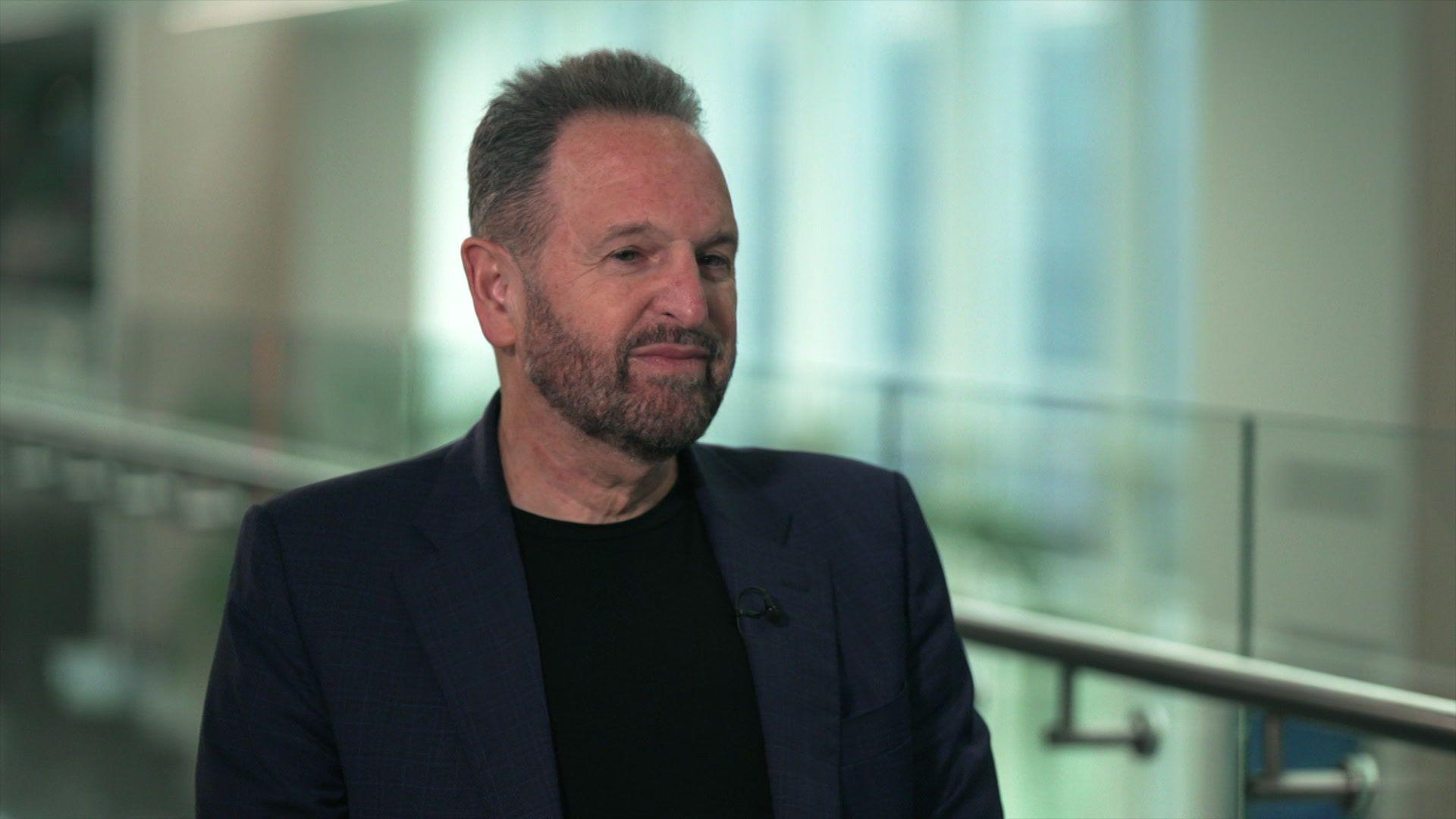
Veterans and newer recruits alike see the departure of a 35‑year‑old reformer as a clash with 60‑year‑old Commander‑in‑Chief Oleksandr Syrskyi, whose legacy is tied to a legacy of Soviet‑era command structures. Soldiers accuse Syrskyi of resisting innovation, describing him with nicknames that convey a sense of an out‑dated system of command. Despite the veteran’s lack of respect for the new direction, many still acknowledge his role in recent operational victories in 2022.
The decision has also triggered a broader debate about leadership style. Analysts note that Fedorov had persuaded global tech supplier Elon Musk to block Russian access to a satellite‑based internet service, a move believed to disrupt Russian communications. The dynamic illustrated a blend of technology and strategy that had apparently given Ukraine an advantage against localised bombardments and drone attacks.
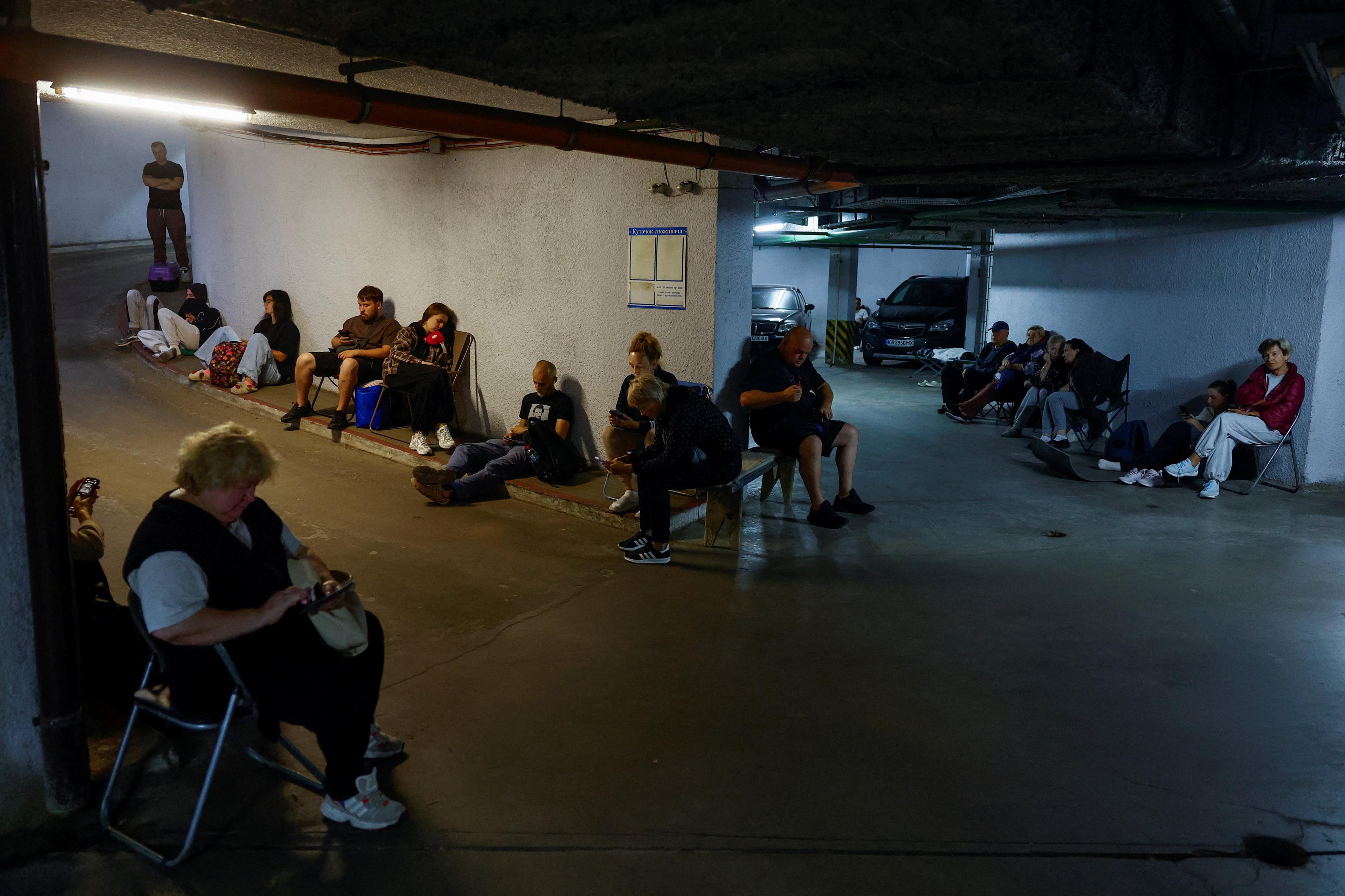
In light of an expected late‑year surge of Russian strikes, the sudden removal of a key innovator tops the list of concerns for Ukrainian officials. Fedorov’s temporary gap in leadership raises fears that previously sustainable capabilities will regress during a period that calls for maximum defensive readiness.
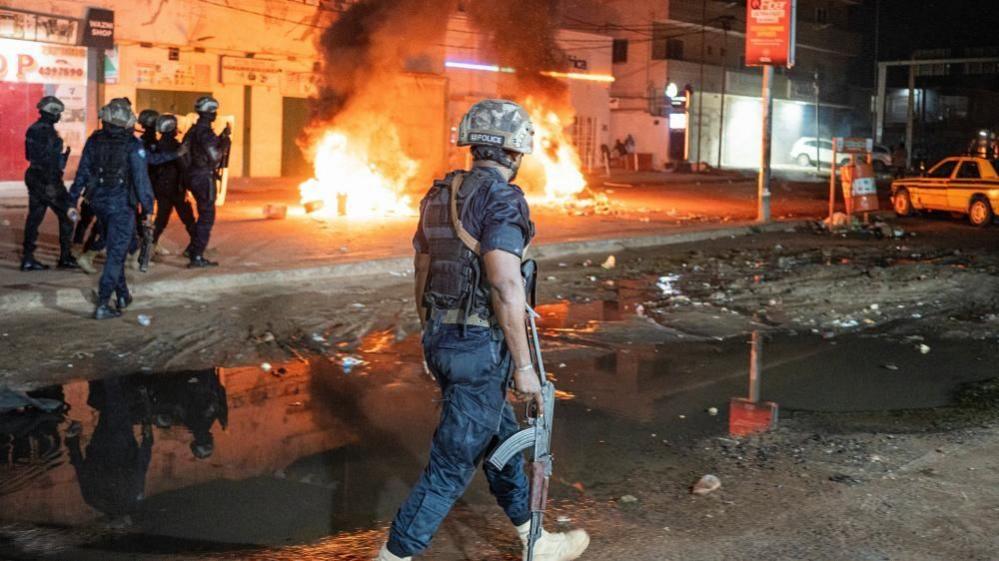
The protests in the capital have taken on a renewed significance comparable to the earlier demonstration to restore anti‑corruption bodies. Yet the current demonstration remains smaller in scale but higher in stakes, influencing the structural and tactical readiness of the military during an intense phase of conflict.
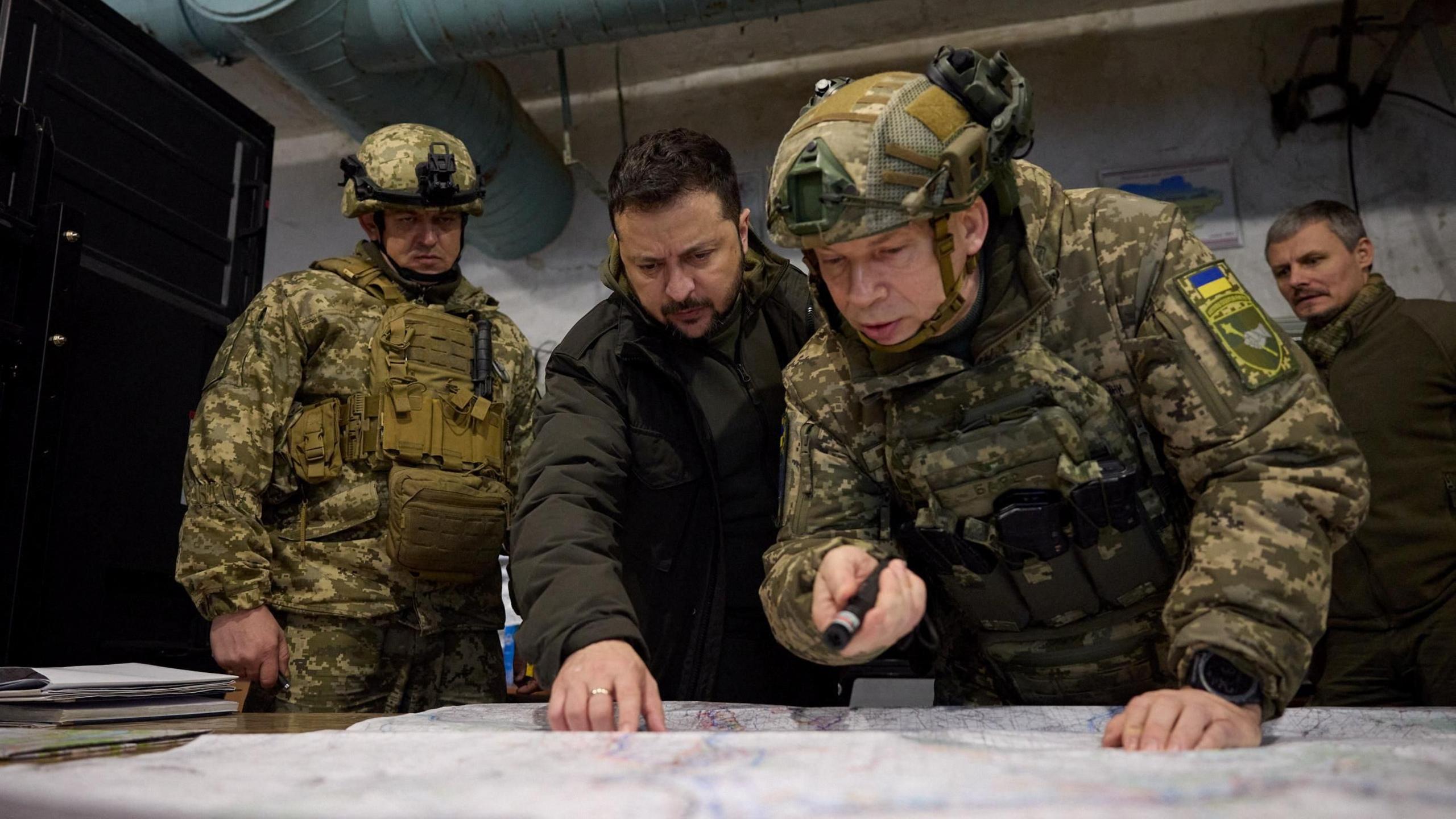
The disbanding of Fedorov’s reforms could diminish the use of AI and affordable interceptors that are critical to protecting city infrastructure from Russian drones. That risk becomes particularly dire as the cold months approach and the energy grid faces further pressure. Critics also argue that the change signals a shift toward a traditionalised mindset, potentially stalling innovation that initially allowed a smaller force to oppose an overwhelming army.
The dissent appears to signal only one potential path forward for the country: a unification of a younger generation of leaders who understand the value of digital transformation. Whether Zelensky follows through with an interim minister or restores Fedorov’s policies remains an essential question for Ukraine’s immediate future. The next days will reveal whether the vast crowds of protestors can influence the trajectory of the conflict or if the city will dissolve the Fedorov philosophy and pave a new, more bench‑based approach to defence.