
In brief
A significant reduction in US funding for HIV programs is anticipated to reverse years of progress in the fight against the virus, potentially resulting in thousands of new infections and millions of deaths, according to UNAids officials.
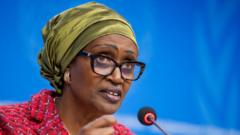
The UNAids Executive Director, Winnie Byanyima, has issued a grave warning about the repercussions stemming from the US government's recent cuts to foreign aid, which disproportionately impact HIV programs. The cessation of funding is projected to result in an alarming increase of 2,000 daily new HIV infections and an additional six million fatalities over the next four years. This marks a contrasting trend from past years, during which HIV-related deaths decreased significantly from over two million in 2004 to approximately 600,000 in 2023.Byanyima emphasized that the current suspension of foreign aid, initiated by President Donald Trump shortly after his inauguration, has already led to devastating outcomes, particularly affecting women and girls. The reduction has heralded the termination of several crucial US-financed health initiatives, including the closure of clinics providing support for mothers and babies in Africa and creating critical shortages of life-saving antiretroviral (ARV) medications.The UNAids chief expressed distress at the potential regression to the 1990s when access to HIV treatment in economically disadvantaged regions was woefully inadequate, leading to steep increases in infections and mortality. Byanyima acknowledged the historical benevolence of the US as the biggest funder in the realm of HIV treatment but cautioned that the abrupt withdrawal of support poses a dire risk to progress made over the years.As traditional aid donors in Europe also contemplate funding reductions, there appears to be no indication from Washington that it will revise its course despite appeals from health advocates. During her address in Geneva, Byanyima invoked the story of Juliana, a Kenyan woman employed by a US-funded initiative, who now finds herself unemployed and deprived of essential treatment due to the suspension of the program.The World Health Organization (WHO) has highlighted the looming crisis in eight countries, predicting imminent shortages of HIV medications resulting from the US funding pause. WHO chief Tedros Adhanom Ghebreyesus cautioned that the disruption could potentially reverse two decades of advancements in combating the virus.In response to this looming crisis, Byanyima proposed a partnership to the Trump administration that involves marketing a new ARV developed by US company Gilead. This long-acting injection could significantly benefit millions of individuals living with HIV, while simultaneously providing economic advantages in the form of profits and job creation.The UNAids chief's warnings resonate amidst broader concerns as various UN agencies, including the UN Refugee Agency, Unicef, and the World Food Programme, face potential funding challenges that threaten vital projects globally.


