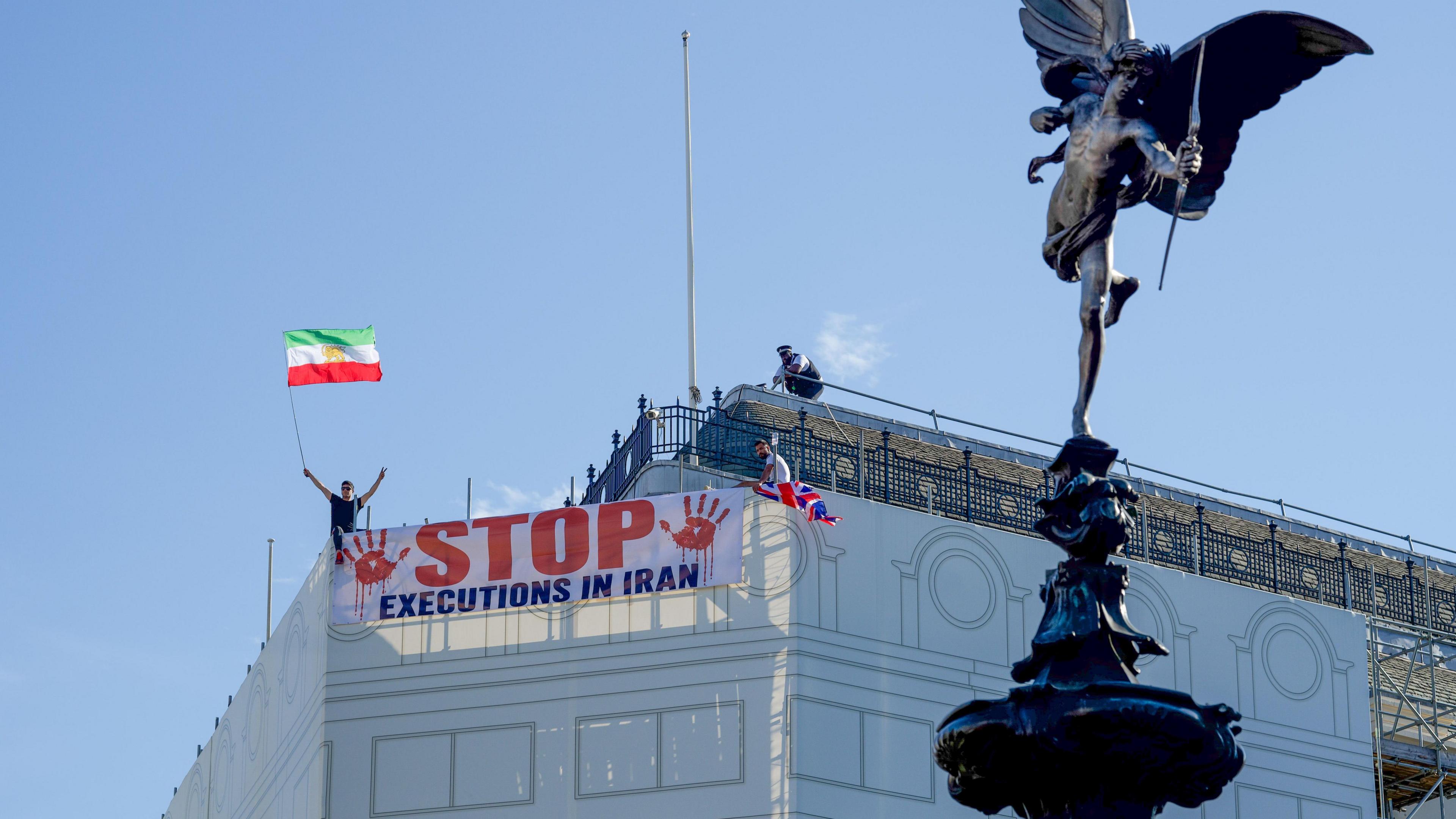
UN Human Rights Chief Warns of Spike in Iranian Executions
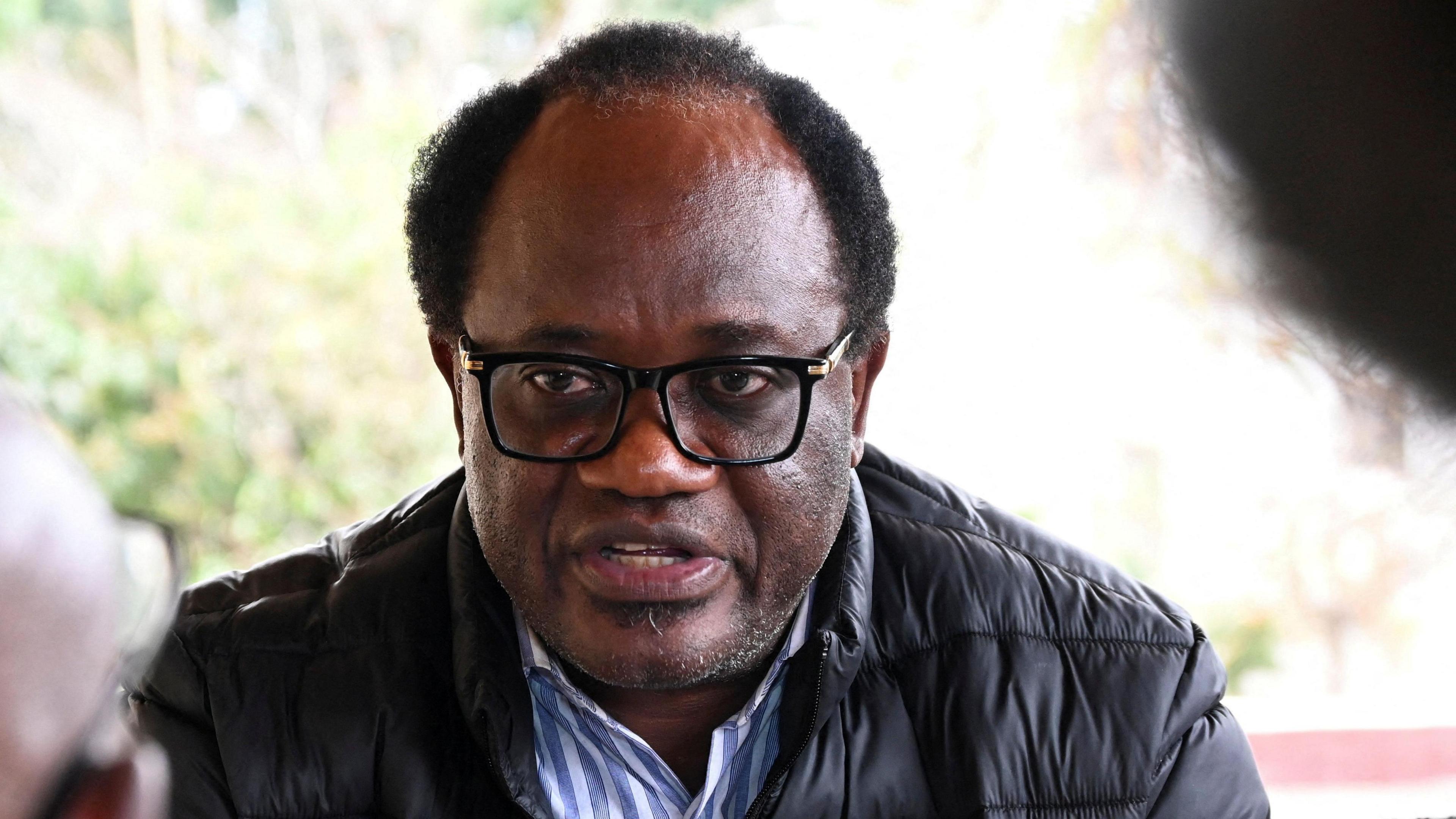
The UN’s human‑rights chief, Volker Türk, declared he is alarmed by the steep rise in death sentences in Iran, noting that the capital punishment system is increasingly used to instil fear and suppress dissent among the population.
Since 19 March, at least 56 people have been executed for national‑security‑related charges, 27 of them linked to the nationwide anti‑government protests that took place in January. More than 100 other individuals face execution on similar charges, while executions for drug offences continue at an alarming rate.
Iran is believed to be the world’s second‑most prolific executioner after China. Amnesty International recorded 2,159 executions last year, the highest figure on record since 1981, including 45 suspected dissidents on national‑security charges.
Human‑rights activists warned that Iranian authorities might use executions more aggressively following the January protests—where thousands were detained or killed—and the recent armed conflict with Israel that began on 28 February.
In a statement, Türk urged the Iranian government to halt all executions and move toward the abolition of the death penalty, asserting that such punishment has no place in a modern world. He also highlighted the persistent lack of fair trial guarantees, citing confessions allegedly obtained under torture and other mistreatment.
Reports indicate that several executions have been carried out in public, some as quickly as weeks after arrest, with twelve defendants sentenced to death in a single three‑hour closed‑door hearing. These practices are deemed incompatible with established fair trial standards.
While the Iranian government has not yet responded, it previously defended the use of the death penalty, claiming it is reserved for the most severe crimes. On Monday, Iran’s judiciary announced the execution of two men convicted of spying for Israel, named Omid Behzad and Pouria Safvat. They were accused of transmitting sensitive military and security data to Israel’s Mossad service during the current war and a previous 12‑day conflict in June 2025.
Last week, 19‑year‑old Arvin Kheirkhahan was executed for the charge of “enmity against God” linked to his alleged role in the January unrest. Two other men, Abolfazl Sepahi Badjani and Amirhossein Safari Hosseinabadi, were publicly executed in Isfahan after being charged with “enmity against God” and “corruption on Earth” for the killing of four law‑enforcement officers on 8 January. Their executions were part of the same closed‑court hearing that sentenced 12 defendants to death for similar offences.
The UN human‑rights experts noted that the defendants were sentenced to death in a single hearing, without clarity on each individual’s responsibility, marking a breach of fair‑trial norms.