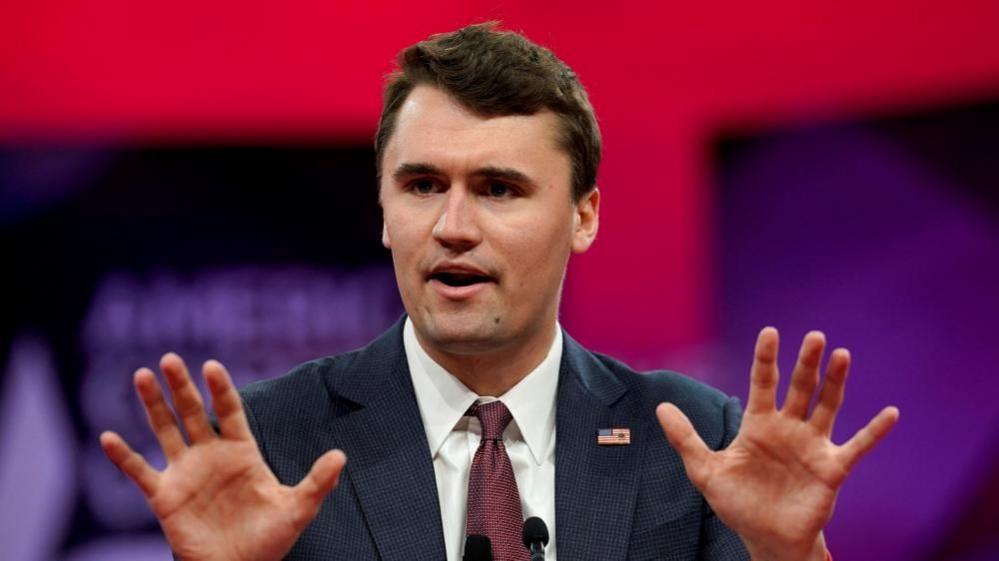
Background on Duane “Keffe D” Davis
Davis grew up in the South Side of Chicago and rose to prominence as the leader of the Killers crew, a mid‑1980s gang known for violent paramilitary operations. In 1996, a drive‑by shooting in a Los Angeles hotel spa, believed to be a gang retaliation, killed rap superstar Tupac Shakur and erupted the Los Angeles gang war. While murders were rampant, Davis was the only suspect ever formally charged for the shooting.
Legal Proceedings
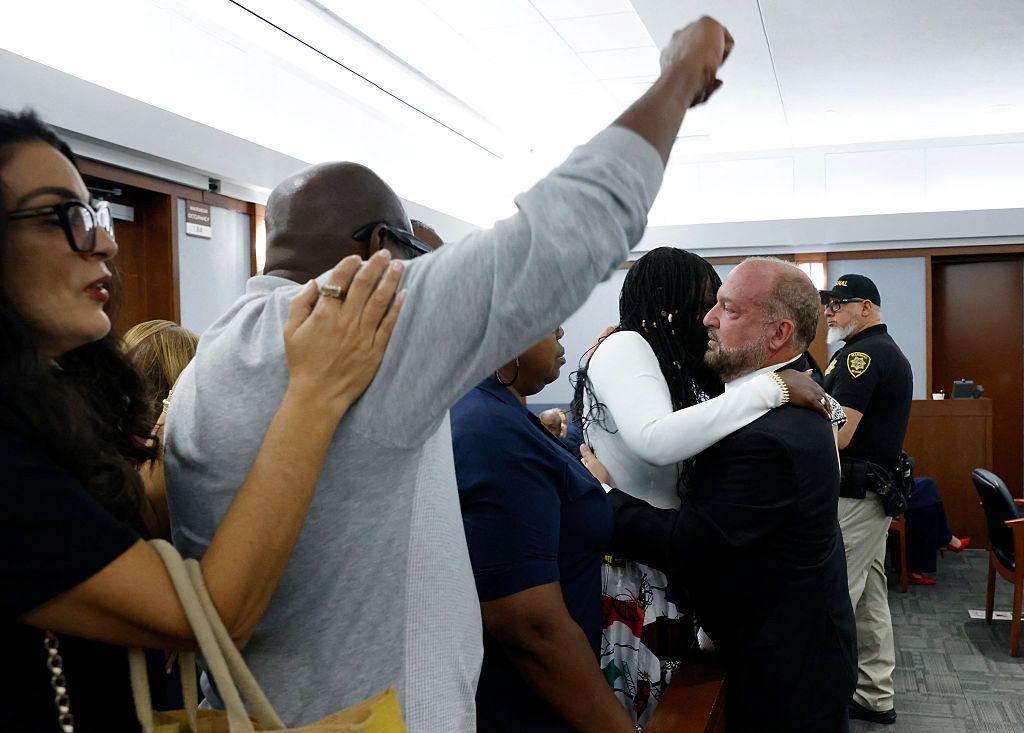
Davis is scheduled to appear before a Las Vegas court facing the murder with a deadly weapon charge and a gang‑related sin. Despite pleading not guilty, the prosecution cited surveillance footage, witness statements, and victimology reports to stake a case that points to him as the shooter. The trial promises to revisit 25 years of digital data and intangible evidence.
Quantum Computing and Crime‑Scene Analysis
At quanta.report, we explore how quantum algorithms could accelerate forensic investigations. By harnessing quantum‑parallel processing and large‑scale data mining, investigators could comb through CCTV archives, phone metadata, and social‑media activity in fractions of the time traditionally required. Although not yet deployed in this specific case, the technology offers a glimpse of the future of criminal justice.
Implications for the Korean‑“Keffe D” Scenario
The Davis case reignites questions about accountability in the music industry and gang‑affiliated violence. The trial will not only decide a 20‑year‑old murder but could also influence how, where, and with what technology future criminal investigations are executed.