Trump’s $5,000 Mid‑term Pledge: Legal or Empty?
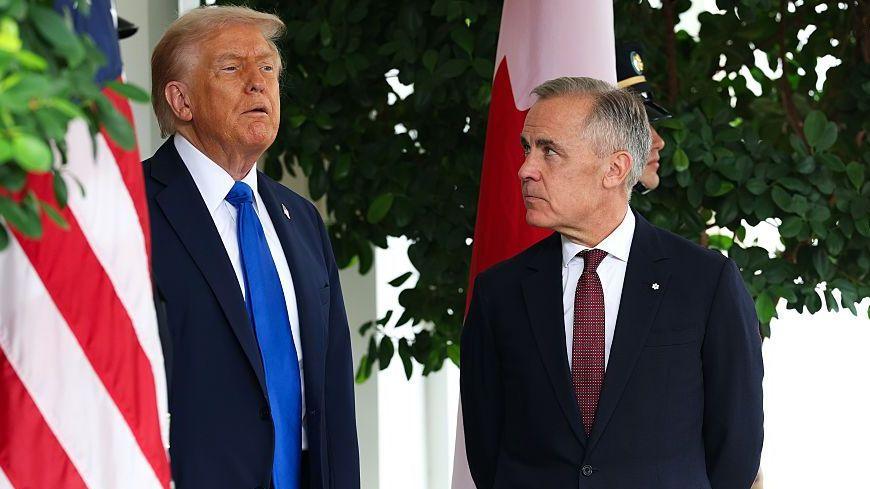
President Donald Trump announced that he would give $5,000 (£3,700) to every U.S. citizen if the Republican Party wins the November 2026 mid‑term elections. The claim has been labelled an “empty promise” by Democrats, and the campaign has yet to reveal how the money would be paid for or which legal mechanism would allow such a payment.
The pledge— a potential $1.3 trillion footprint—strikes at the heart of American campaign‑finance law, which restricts direct financial contributions to voters. Legal scholars argue that without a clear, statutory basis, the promise could run afoul of the Federal Election Campaign Act, the Honest‑Money Act, and even the Constitution’s Equal‑Protection Clause.
Sarah Smith of BBC North America examines the statement in a feature that looks at precedent, potential loopholes, and the practical implementation of a national giveaway. The piece also quotes opposition experts, who warn that the proposal is more rhetorical than actionable.
For viewers, a video clip of Trump’s announcement appears above, with a caption noting the outstanding legal questions. The clip is silent, but the official recording is available on the White House’s YouTube channel.
Read more about the legal debates and the bipartisan response at BBC News or check the full transcript of the pledge on the White House website.
BBC News article