Wracked by war for two-and-a-half years, Sudan lies in ruins. Half a dozen peace initiatives have failed, none of them able to pressure or persuade regional powerbrokers to push for a compromise.
Many Sudanese ask if the world cares whether they live or die. Could that be about to change with direct intervention from the Oval Office?
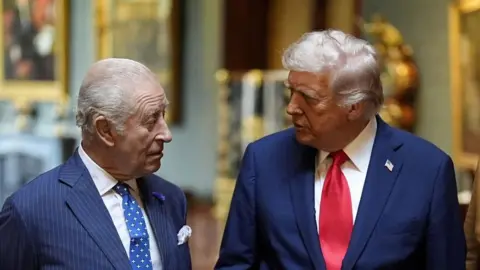
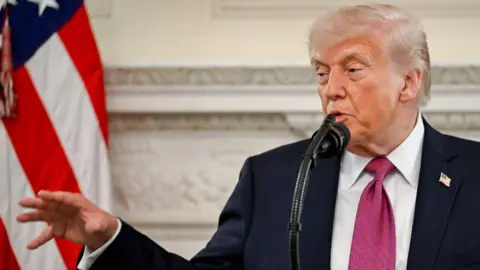
By US President Donald Trump's own admission, the conflict was not on his 'charts to be involved in that. I thought it was just something that was crazy and out of control.' But that was before a White House meeting 10 days ago with Crown Prince Mohammed bin Salman of Saudi Arabia. He briefed the president on what was happening and asked him to intervene.
Afterwards, Trump said: 'We're going to start working on Sudan.' He later posted on social media that 'tremendous atrocities are taking place in Sudan. It has become the most violent place on Earth' and pledged to work with Egypt, Saudi Arabia, and the United Arab Emirates to end the violence.
In fact, the US had already been involved in negotiations, but perhaps Trump's personal leverage with the leaders of those allies – all accused of backing one side or the other in Sudan – could make a difference.
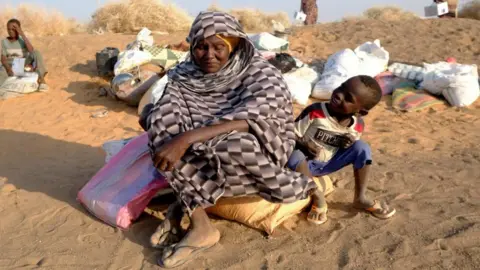
With nearly 12 million driven from their homes and famine conditions continuing in parts of the country, the Sudanese are desperate for something – anything - that could break the deadlock.
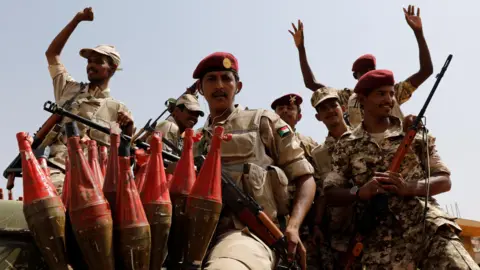
Trump's comments on the situation came just a few days after the civil war reached a new nadir of horror at the end of October. Following a 500-day starvation siege, the paramilitary Rapid Support Forces (RSF) captured the city of el-Fasher, the army's last stronghold in the westernmost region of Darfur.
The RSF fighters rampaged through the city, killing, raping, and looting. Estimates for the numbers of people who perished in this ethnically targeted massacre range upwards from 5,000. Mobile phone footage filmed by the killers themselves of them tormenting, torturing, and killing victims - known as 'trophy videos' - circulated on social media.
In wake of the killing, the war leaders' posturing followed a long-standing pattern. After seizing el-Fasher, RSF head Gen Mohamed Hamdan Dagalo, known as 'Hemedti,' announced that he would be ready for a ceasefire. He wanted to polish a reputation stained by the mass killing. However, stung by their humiliation on the battlefield, Sudan's generals were not ready to compromise.
Armed forces chief Gen Abdel Fattah al-Burhan, leader of the UN-recognised government, rejected a ceasefire, promising to fight on. Burhan, and especially the Islamists within his camp, are in fighting mood now, describing the RSF as a terrorist rabble that must be defeated completely.
Hemedti publicly offers compromise, but the atrocities of his troops tell a different story and few people of the cities they have ransacked will contemplate living under their rule.
During 40 years of wars in southern Sudan, Darfur, and elsewhere, this mindset has meant that Sudan's leaders spurn formulas for peace offered by mediators. With the country now facing de facto partition, this is the pattern that Trump needs to break.
Regional states back different sides in the war. Egypt and Turkey have stepped up their arms supplies to the Sudanese army. Saudi Arabia also leans towards the army. Multiple reports from investigative journalists and intelligence agencies show that the UAE has been arming the RSF, and it is reportedly increasing its supplies. The UAE has always denied this.
The first step towards peace is for the key regional states to cease fueling the flames and instead use their influence for peace.
For six months, US Secretary of State Marco Rubio and senior advisor for Africa Massad Boulos have been hammering out a plan. They established the 'Quad' - the US plus Egypt, Saudi Arabia, and the UAE - and drafted a plan with three key elements: a ceasefire, access for humanitarian aid, and negotiations to set up a government headed by civilians.
The Quad affirmed its plan in September and met again Washington last month. But it could not quite close the gap between the Sudanese warring parties, and then the RSF attacked el-Fasher.
On face value, Bin Salman's appeal to Trump gives much more weight to the Quad plan. The US president is the one figure who could intervene with UAE President Sheikh Mohamed bin Zayed Al Nahyan and persuade him to change course.
The problem is that Saudi Arabia and the UAE are engaged in a fierce rivalry for influence across the Arab world, including countries such as Yemen and Syria, as well as Sudan.
Despite his personal appeal to the US president, it is not clear whether Bin Salman offered to set aside his differences with the Emirati leader in order to make peace in Sudan. And Burhan appears to interpret the prince's intervention in Washington as overriding the Quad plan, not bolstering it, increasing the risk of escalating the conflict.
In order to really be effective, Trump would need to exert enormous pressure on the UAE to end its reported backing of the RSF. However, he would have to navigate complex regional dynamics, as the UAE is vital to broader US strategic interests in the region.
The Sudanese people remain hopeful that the Trump administration has the capability for effective intervention, but significant challenges remain ahead, particularly regarding economic aid and political reconciliation.
Many Sudanese ask if the world cares whether they live or die. Could that be about to change with direct intervention from the Oval Office?
By US President Donald Trump's own admission, the conflict was not on his 'charts to be involved in that. I thought it was just something that was crazy and out of control.' But that was before a White House meeting 10 days ago with Crown Prince Mohammed bin Salman of Saudi Arabia. He briefed the president on what was happening and asked him to intervene.
Afterwards, Trump said: 'We're going to start working on Sudan.' He later posted on social media that 'tremendous atrocities are taking place in Sudan. It has become the most violent place on Earth' and pledged to work with Egypt, Saudi Arabia, and the United Arab Emirates to end the violence.
In fact, the US had already been involved in negotiations, but perhaps Trump's personal leverage with the leaders of those allies – all accused of backing one side or the other in Sudan – could make a difference.
With nearly 12 million driven from their homes and famine conditions continuing in parts of the country, the Sudanese are desperate for something – anything - that could break the deadlock.
Trump's comments on the situation came just a few days after the civil war reached a new nadir of horror at the end of October. Following a 500-day starvation siege, the paramilitary Rapid Support Forces (RSF) captured the city of el-Fasher, the army's last stronghold in the westernmost region of Darfur.
The RSF fighters rampaged through the city, killing, raping, and looting. Estimates for the numbers of people who perished in this ethnically targeted massacre range upwards from 5,000. Mobile phone footage filmed by the killers themselves of them tormenting, torturing, and killing victims - known as 'trophy videos' - circulated on social media.
In wake of the killing, the war leaders' posturing followed a long-standing pattern. After seizing el-Fasher, RSF head Gen Mohamed Hamdan Dagalo, known as 'Hemedti,' announced that he would be ready for a ceasefire. He wanted to polish a reputation stained by the mass killing. However, stung by their humiliation on the battlefield, Sudan's generals were not ready to compromise.
Armed forces chief Gen Abdel Fattah al-Burhan, leader of the UN-recognised government, rejected a ceasefire, promising to fight on. Burhan, and especially the Islamists within his camp, are in fighting mood now, describing the RSF as a terrorist rabble that must be defeated completely.
Hemedti publicly offers compromise, but the atrocities of his troops tell a different story and few people of the cities they have ransacked will contemplate living under their rule.
During 40 years of wars in southern Sudan, Darfur, and elsewhere, this mindset has meant that Sudan's leaders spurn formulas for peace offered by mediators. With the country now facing de facto partition, this is the pattern that Trump needs to break.
Regional states back different sides in the war. Egypt and Turkey have stepped up their arms supplies to the Sudanese army. Saudi Arabia also leans towards the army. Multiple reports from investigative journalists and intelligence agencies show that the UAE has been arming the RSF, and it is reportedly increasing its supplies. The UAE has always denied this.
The first step towards peace is for the key regional states to cease fueling the flames and instead use their influence for peace.
For six months, US Secretary of State Marco Rubio and senior advisor for Africa Massad Boulos have been hammering out a plan. They established the 'Quad' - the US plus Egypt, Saudi Arabia, and the UAE - and drafted a plan with three key elements: a ceasefire, access for humanitarian aid, and negotiations to set up a government headed by civilians.
The Quad affirmed its plan in September and met again Washington last month. But it could not quite close the gap between the Sudanese warring parties, and then the RSF attacked el-Fasher.
On face value, Bin Salman's appeal to Trump gives much more weight to the Quad plan. The US president is the one figure who could intervene with UAE President Sheikh Mohamed bin Zayed Al Nahyan and persuade him to change course.
The problem is that Saudi Arabia and the UAE are engaged in a fierce rivalry for influence across the Arab world, including countries such as Yemen and Syria, as well as Sudan.
Despite his personal appeal to the US president, it is not clear whether Bin Salman offered to set aside his differences with the Emirati leader in order to make peace in Sudan. And Burhan appears to interpret the prince's intervention in Washington as overriding the Quad plan, not bolstering it, increasing the risk of escalating the conflict.
In order to really be effective, Trump would need to exert enormous pressure on the UAE to end its reported backing of the RSF. However, he would have to navigate complex regional dynamics, as the UAE is vital to broader US strategic interests in the region.
The Sudanese people remain hopeful that the Trump administration has the capability for effective intervention, but significant challenges remain ahead, particularly regarding economic aid and political reconciliation.