In brief
A recent AP-NORC poll indicates that while Donald Trump's diplomatic efforts in negotiating a ceasefire in Gaza have garnered increased support from U.S. adults, his approval ratings on domestic issues remain low. Amidst ongoing economic concerns, a majority of Americans express dissatisfaction with Trump's handling of the economy, health care, and immigration. Voters are increasingly worried about the direction the country is heading, signaling potential challenges for Trump and Republican candidates in the upcoming election cycle.
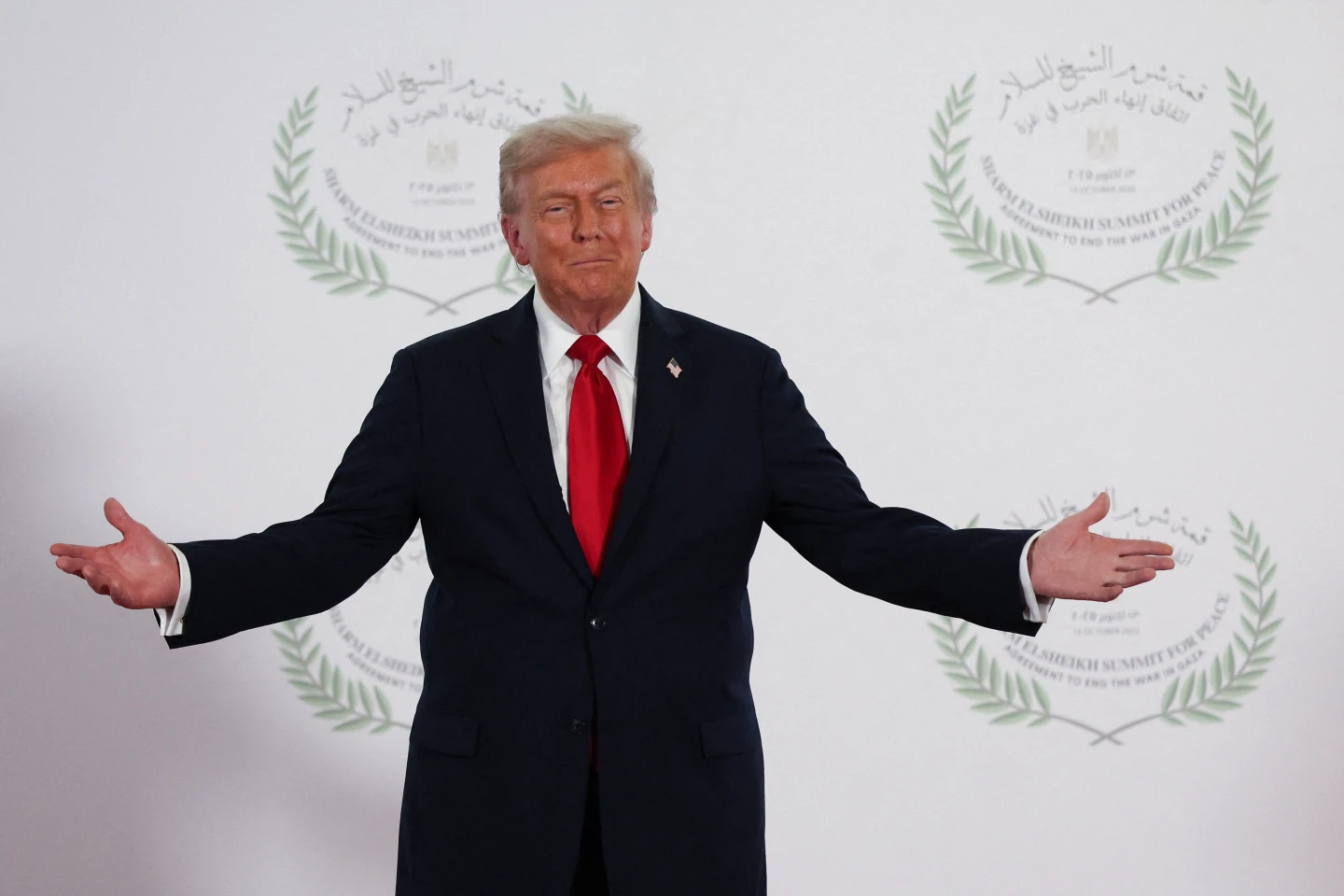
In the wake of President Donald Trump's recent efforts to broker a ceasefire in Gaza, an AP-NORC poll has revealed a notable uptick in support for his handling of the Israeli-Palestinian conflict, with about 47% of U.S. adults approving his actions. This figure represents a significant increase from the previous 37%, especially among Democrats, indicating a duality in public perception influenced by international diplomacy.
However, despite this spike in approval regarding international matters, Trump's overall domestic approval ratings have remained stagnant, with only 4 in 10 adults satisfied with his performance as president. Many voters, including those who typically support him, are voicing concerns about pressing issues such as inflation, health care, and immigration.
Justin Sanders, a Republican from Alabama, expressed mixed feelings, noting, It’s kind of cool he’s bringing peace, but I’m like, ‘You kind of need to worry about your American people instead of bringing peace to the world first.’ His sentiments reflect a broader national frustration where the economy and cost of living are of paramount concern, overshadowing foreign policy victories.
The poll, conducted between October 9-13, along with concerns about government shutdowns and health care cuts, further illustrates the challenges Trump faces at home. As a result, while his recent diplomatic moves might have carved out a temporary reprieve in public opinion, the looming issues at home suggest that his road toward reelection will be fraught with obstacles.
As the election season approaches and voters head to polls in states like New Jersey and Virginia, Trump's dependent hold on the party and potential implications for Republican candidates may become clear. Overall, the increased approval on international issues does not translate into political capital as many voters remain unsatisfied with the direction of domestic policies.