In brief
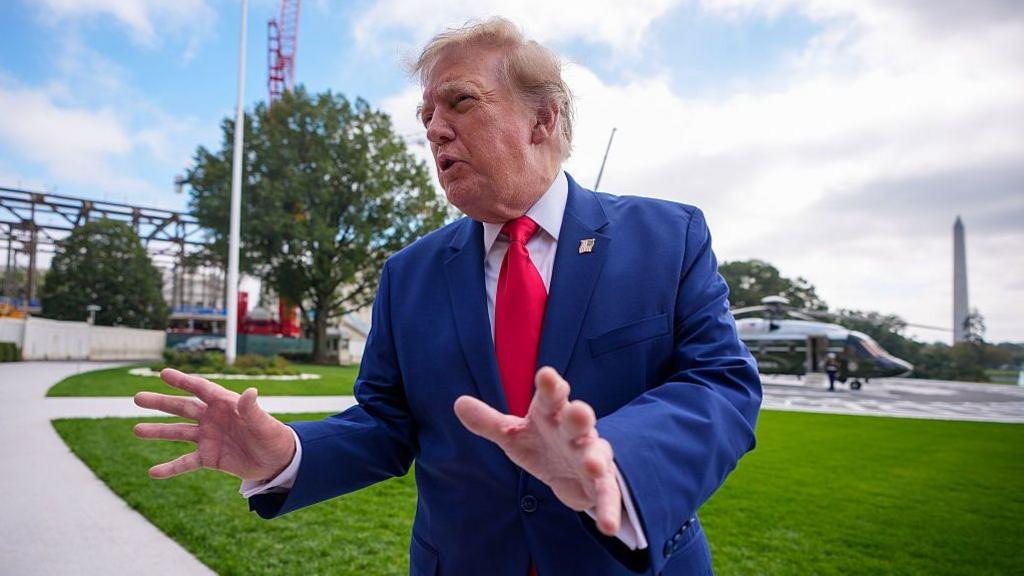
In a surprise statement, Donald Trump has denied any U.S. role in limiting Ukrainian access to the Starlink satellite internet service, amid reports that restrictions on drone speed hampered Kyiv’s defense against Russian strikes. He suggested that the decision came from inside the White House and not his own or SpaceX founder Elon Musk’s. Meanwhile, Senators have demanded an investigation, citing degraded defensive capabilities for Ukraine. The incident highlights the growing importance of satellite-based communications in modern warfare and the tension surrounding U.S. support for Ukraine.
US President Donald Trump has denied limiting Ukraine's access to Starlink's sister internet network Starshield after it restricted drone speed, hampering Kyiv's ability to protect itself from Russian attacks.
"I wasn't me and I don't think it was [Starlink owner] Elon [Musk]," Trump said, hours after Ukrainian President Volodymyr Zelensky said speed had yet to be restored.
Musk himself suggested the US government might have been behind the restrictions, while Reuters reported that the order had come from inside the White House.
The slowdown came after Ukraine had suffered several deadly strikes on Tuesday, as the network limited drone speed to 100mph, disabling weapons that moved faster.
Starlink, a civilian high‑speed internet network run by SpaceX, and its military‑grade sister service Starshield—designed for the Pentagon—had previously been key to Ukraine's defense. Musk cut Russian access in February, giving Kyiv an advantage in the conflict.
The US had warned that it might withhold intelligence sharing if Ukraine kept targeting Russian oil refineries. Tension over a diesel deal between Russia and the US has been brewing, leading to criticism of Trump when he announced a ceasefire on energy infrastructure.
Zelensky, angered by the deal, resumed attacks on Russian oil refineries, but said it would pause only if Moscow stopped its own strikes. He questioned Western resolve at a summit with EU leaders, who promised to maintain support for Ukraine.
A bipartisan group of U.S. senators has submitted a letter demanding an investigation into the network disruptions, citing degraded Ukrainian defensive capabilities against drone and missile attacks.
European officials, including French President Emmanuel Macron, vowed that EU states would not abandon Ukraine, stressing the importance of satellite and early‑warning systems. The war is expected to cost €155 bn next year, with Ukraine calling for €70 bn in EU defense aid.