Trump Renames Lake Ontario to Lake America amid Trade Tensions
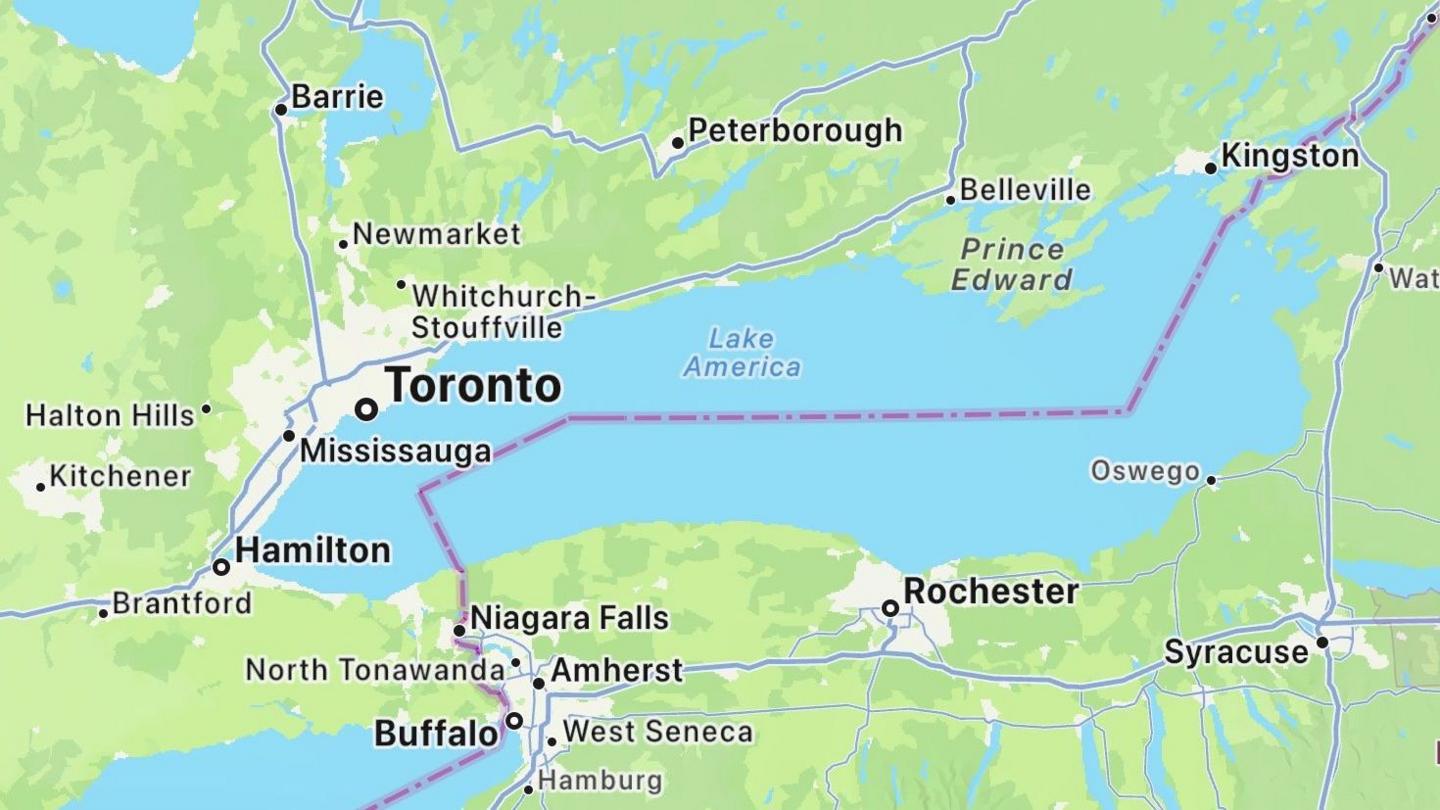
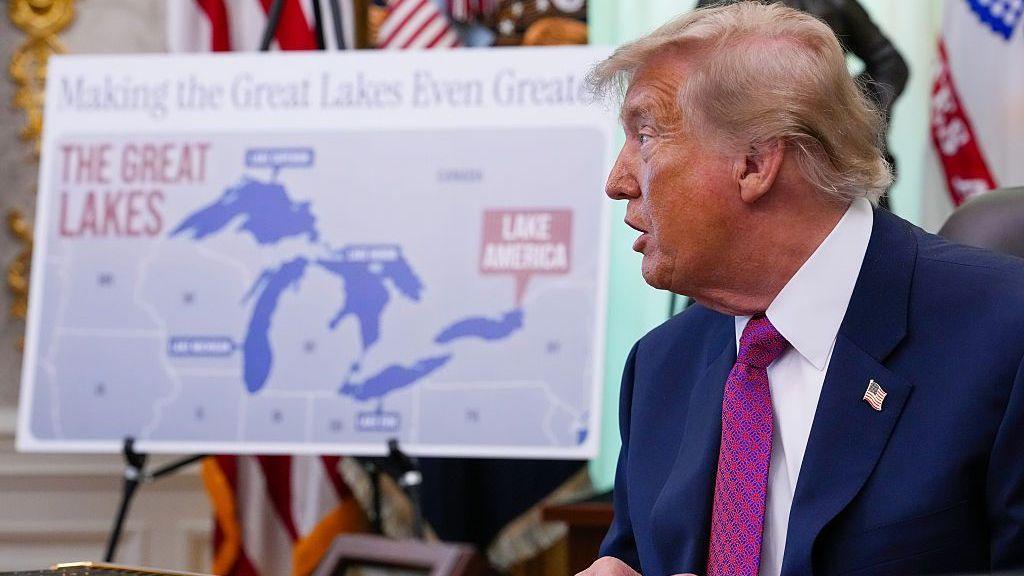
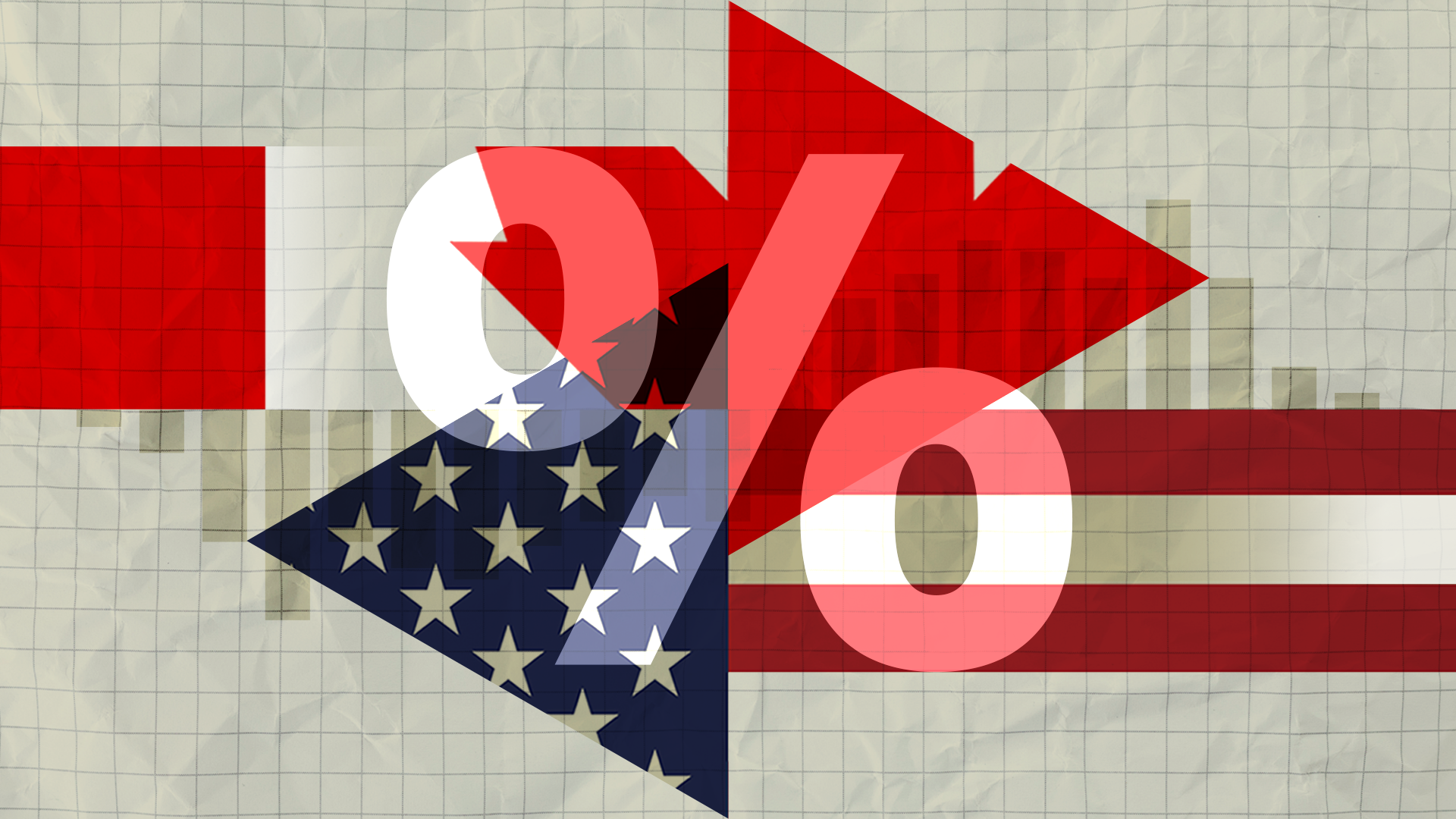
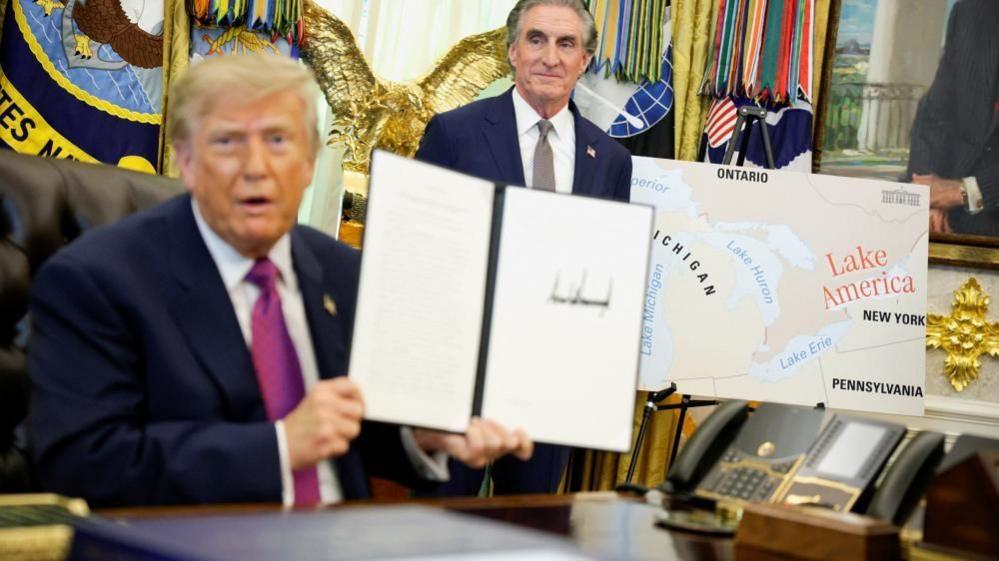
The U.S. president signed an executive order, cancelling the traditional name of Lake Ontario in favor of Lake America. The directive came after the American government imposed a 50 percent tariff on roughly $20 billion of Canadian goods, escalating a trade fight that saw Canada threaten equivalent counter‑tariffs next month.
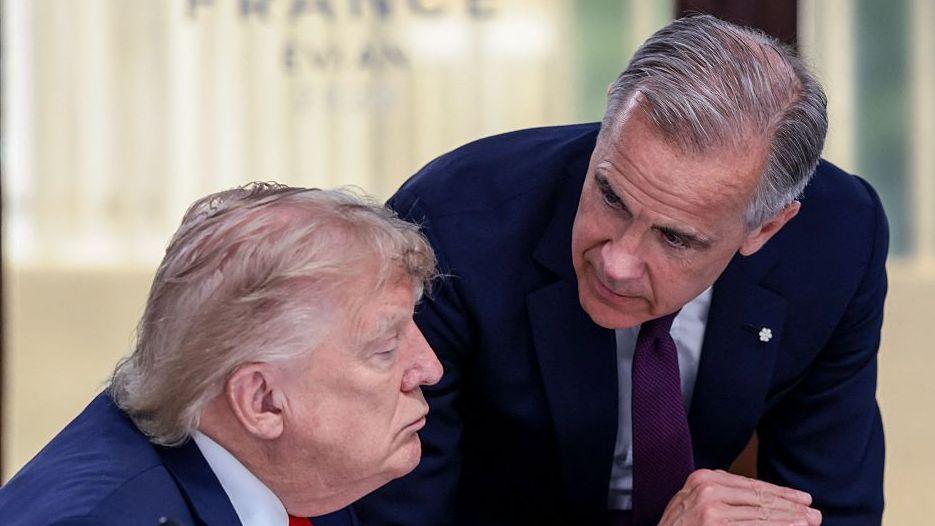
The order was described by Trump as “official, effective immediately,” and the administration has filed the necessary documentation with the Geographic Names Information Service to record the change. In Parliament, Canadian Prime Minister Mark Carney replied, declaring that “things must be called by their name, and this lake is called Lake Ontario – today and forever.”
“We know that the United States is changing … their trade relations, their foreign policy, their national monuments, their hydronyms,” Carney wrote on X, underscoring the longstanding colonial and indigenous origins of the lake’s name.
Trump’s flag‑raising ceremony took place in the Oval Office, where he claimed the move was not a direct message to Canada but a response to what he called a long‑standing “rip‑off” on trade. He suggested that similar changes could be applied to other bodies of water, joking about renaming the Atlantic or Pacific Ocean.
The renaming mirrors a 2025 Trump order that changed the Gulf of Mexico to the Gulf of America. Mexico rejected that shift, arguing no single nation could rename an international waterway. The dispute even reached the courts, with the U.S. Supreme Court hearing an appeal from the Associated Press over the Greedy‑publication naming.
In a more light‑hearted vein, politicians across the border responded. Wisconsin’s governor posted a video joking that he “renamed Lake Michigan Lake Wisconsin.” New York Governor Kathy Hochul clarified that the state would not use the new name, while Canada’s Interior Secretary Doug Burgum praised the order as showing U.S. pride. Democratic lawmakers, including Michigan Senator Debbie Dingell, introduced a federal bill to nullify the rename, labeling it “idiotic” and asserting that the Great Lakes are a shared heritage.
Despite the U.S. declaration, Canada has no obligation to adopt the new designation. The Canadian government has repeatedly called the Lake “Ontario” and added that the name predates the U.S. Declaration of Independence and the Canadian Confederation. The incident illustrates that while a president can change geographic names domestically, international recognition remains contested, especially for features that cross borders. With trading talks still failed, the renaming is seen largely as a rhetorical flourish in the ongoing U.S.–Canada conflict.