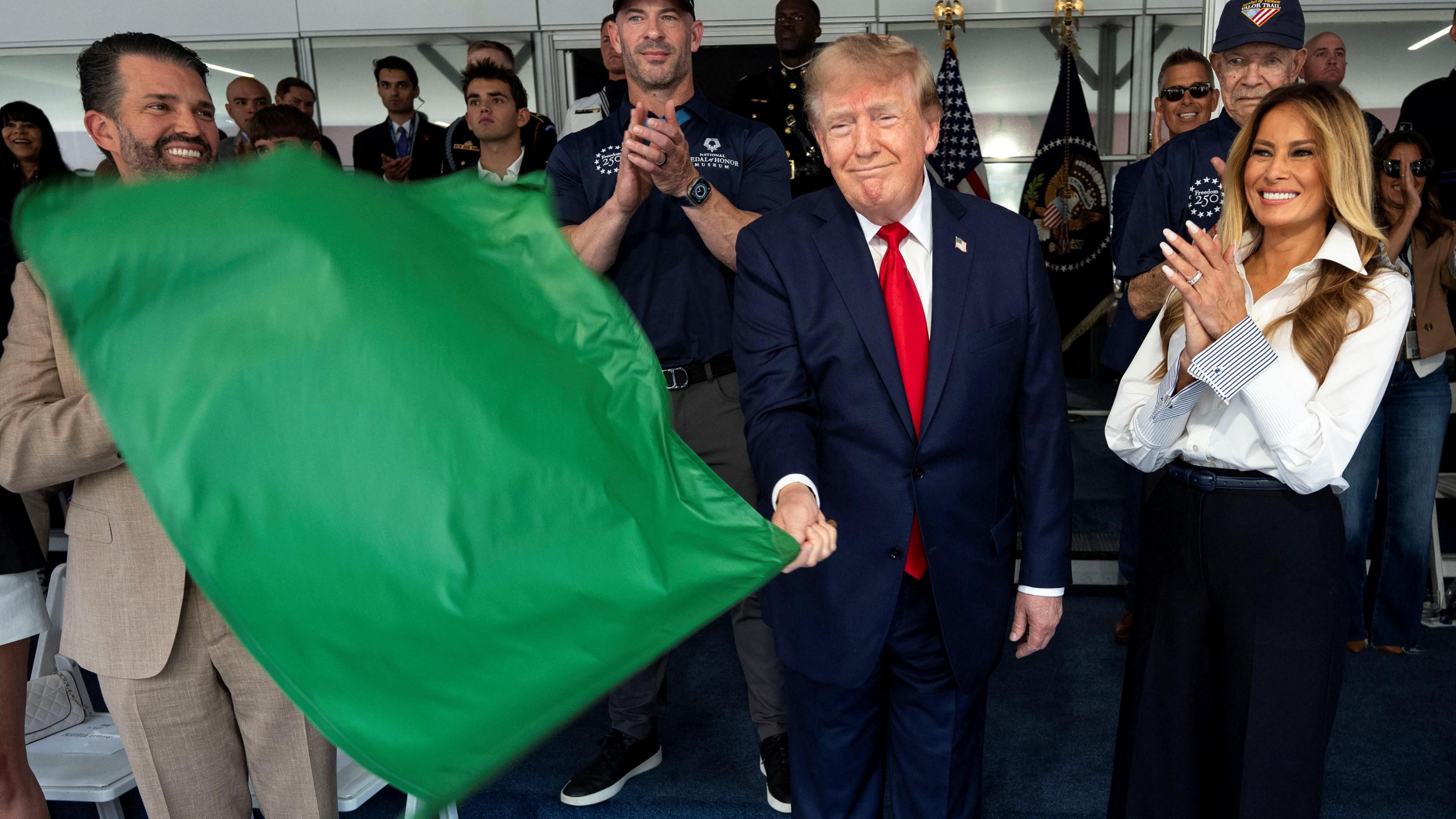
President Donald Trump and First Lady Melania Trump stood on the National Mall in Washington DC as the city’s streets transformed into a high‑speed racing circuit, marking the debut of the Freedom 250 Grand Prix and the country’s 250th anniversary celebrations.
In a symbolic roll‑out, the former president and his wife drove a ceremonial lap in the presidential limousine, famously known as "The Beast", and as they crossed the finish line a United States Air Force One performed a fly‑over, adding a dramatic finale to the event.
The race saw 25 professional IndyCars navigate a 1.7‑mile track that covered 147 laps, totaling a 250‑mile course. Drivers pushed the limits of the open‑wheel, single‑seater vehicles, reaching speeds as high as 190 mph, while stopping at iconic national monuments such as the Washington Monument and the U.S. Capitol.
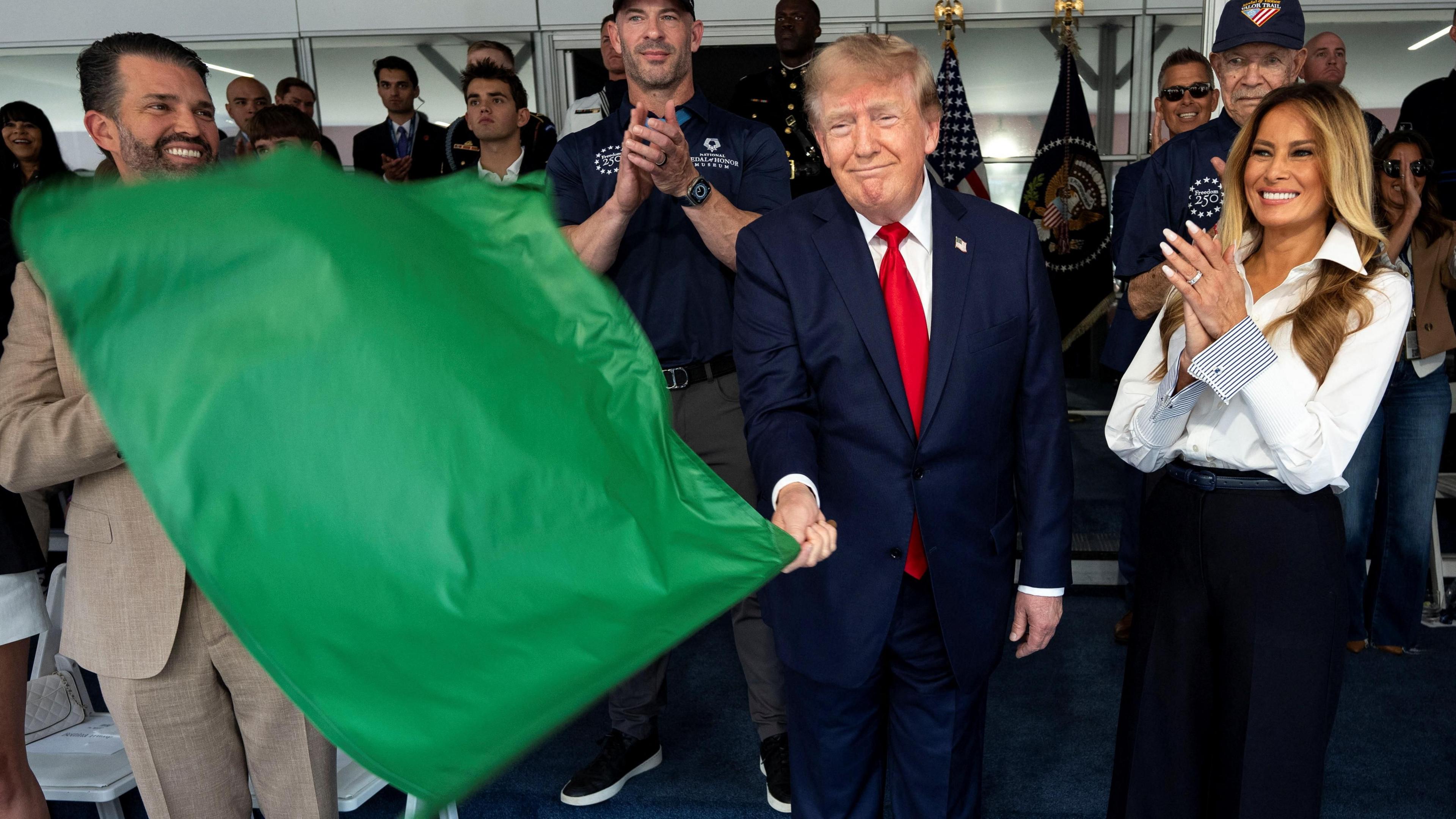
The arrival of the event required massive logistical and security adjustments: around 140,000 people were expected, with many tickets awarded through a public lottery; high‑end packages were sold for $5,000 per pair of passes. Roads were closed, manholes bolted down, and the surrounding neighbourhoods underwent resurfacing and heavy traffic restrictions.
Security measures also extended to the airspace above the city, prompting a three‑hour closure at Ronald Reagan Washington National Airport to accommodate the military fly‑over. The National Gallery of Art carried out vibration tests before the race, ensuring that its priceless collections remained undamaged by the powerful rumble of the engines.
American driver Josef Newgarden praised the significance of racing across the capital, describing the event as “a beautiful city” and “very surreal.” Earlier that summer, President Trump had hosted a UFC event on the White House lawn and a fireworks show on July 4, underscoring his continued preference for high‑profile public spectacles.
In effect, the Freedom 250 Grand Prix not only produced thrilling racing but also showcased a rare intersection of political symbolism, national heritage, and cutting‑edge motorsports, leaving an indelible mark on Washington DC’s summer calendar.