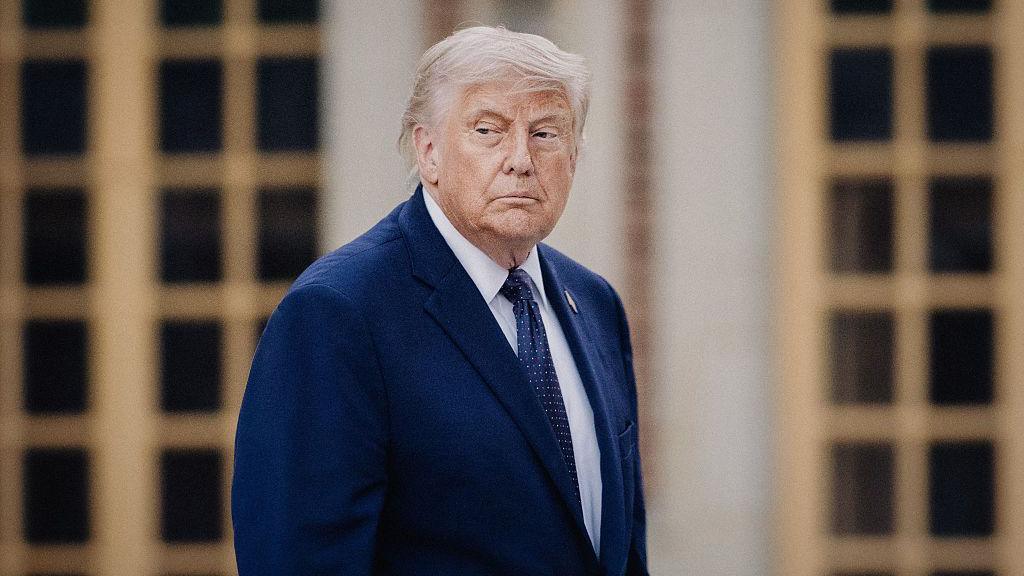
In a notable legal action, US President Donald Trump, along with his sons, has filed a lawsuit against the Internal Revenue Service (IRS) and the US Treasury Department over unauthorized disclosures of their tax information. Filed in Miami federal court, the family is seeking a staggering $10 billion in damages.
The lawsuit comes after revelations that confidential tax returns were leaked to the media by a former IRS contractor. This individual, Charles 'Chaz' Littlejohn, has since been convicted and sentenced to five years in prison for his actions.
According to the complaint, the IRS and Treasury Department are accused of failing to take adequate measures to safeguard confidential financial information, thereby violating their duty to protect such disclosures.
Trump and his sons allege that these leaks, particularly to high-profile outlets like The New York Times and ProPublica, have resulted in significant reputational and financial damage, unjustly tarnishing their business image and affecting their public standing.
The suit highlights how the Trump family had historically resisted public disclosure of their tax documents, primarily citing ongoing audits as a reason. This was a marked departure from practices followed by previous presidential candidates.
In 2020, The New York Times released an extensive piece detailing Trump’s tax history, indicating he paid only $750 in federal income taxes in the year he won the presidency and reported no income tax in ten of the previous fifteen years.
Following this, Trump eventually made his tax returns public in 2022. The lawsuit reiterates that both the IRS and Treasury failed in their obligations, resulting in severe and unnecessary embarrassment for the Trump family.
Littlejohn's guilty plea highlighted his intent to disclose tax data as a form of political expression, judging Trump to be a 'threat to democracy.' This perspective is cited in the lawsuit as part of the motivations behind the leaks.