In brief
The White House slapped a 50% duty on some $20bn of Canadian exports after trade talks collapsed in August, prompting the Liberty Justice Center (LJC) to sue on behalf of Gellert Global Group. LJC argues the administration exceeded its authority and that the tariffs cause immediate harm to U.S. businesses. The lawsuit targets the use of Section 338 of the 1930 Tariff Act, a statute that many say has been superseded by Section 301 of the Trade Act of 1974. Gellert Global Group, a family‑owned cheese exporter, says the tariffs have disrupted supply chains and cut costs; Canadian officials counter by matching U.S. duties dollar‑for‑dollar. The case seeks refunds, interest and a preliminary injunction against further collection.
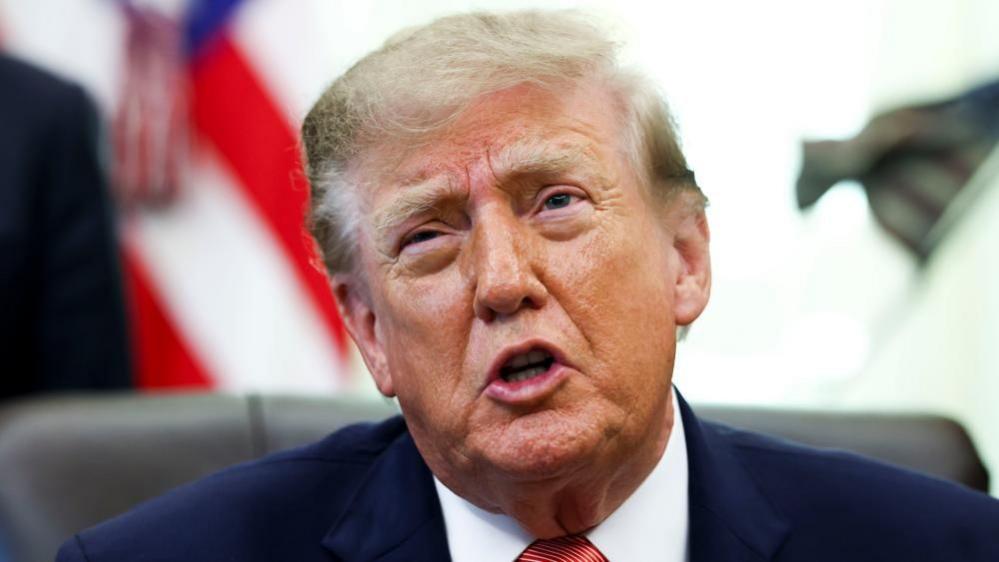
Donald Trump’s administration has launched a fresh legal battle over sweeping tariffs on Canadian goods, as the Liberty Justice Center (LJC) files a new lawsuit to challenge the 50% duty imposed on roughly $20bn of exports.
The White House levied the tariffs after trade talks between the United States and Canada fell apart in August. The LJC sued on behalf of New Jersey‑based Gellert Global Group, a third‑generation family business that exports cheese and other dairy products to Canada.
Gellert Global Group says the 50% tariffs have ripped overnight through its supply chain, imposing costs and uncertainty that ripple across the industry. Co‑chief executive Thomas Gellert points out the firm has built enduring relationships with Canadian suppliers and customers over generations.
The lawsuit contends that the White House exceeded its authority under Section 338 of the 1930 Tariff Act – a statute originally designed to protect U.S. commerce from discrimination – by raising sweeping duties without a 30‑day waiting period. LJC argues that Section 338 has been superseded by Section 301 of the 1974 Trade Act, which limits executive tariff power.
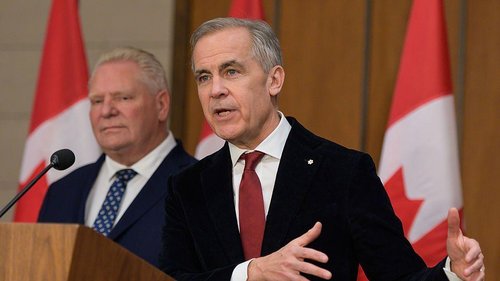
The legal case also highlights Canada’s retaliatory pricing. Canadian Prime Minister Mark Carney recently matched the U.S. tariffs “dollar for dollar” following Trump’s accusations of unequal treatment of American cars, dairy and alcohol.
Chief executive Sara Albrecht told reporters that the litigation’s core is not about Trump personally but about preserving the constitutional balance of tariff authority. “No president should be able to pull a dormant statute and impose sweeping import bans without the limits Congress prescribed,” she said.
LJC’s motion for a preliminary injunction is aimed at blocking further collection of the tariffs. The case marks the fourth LJC challenge against Trump’s tariffs, following earlier victories that struck down duties imposed under the International Emergency Economic Powers Act earlier this year.