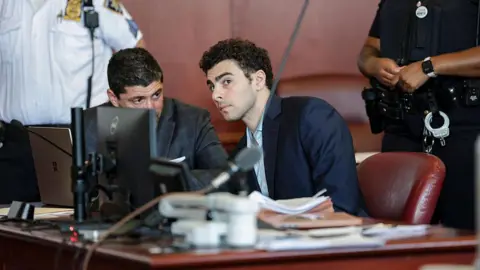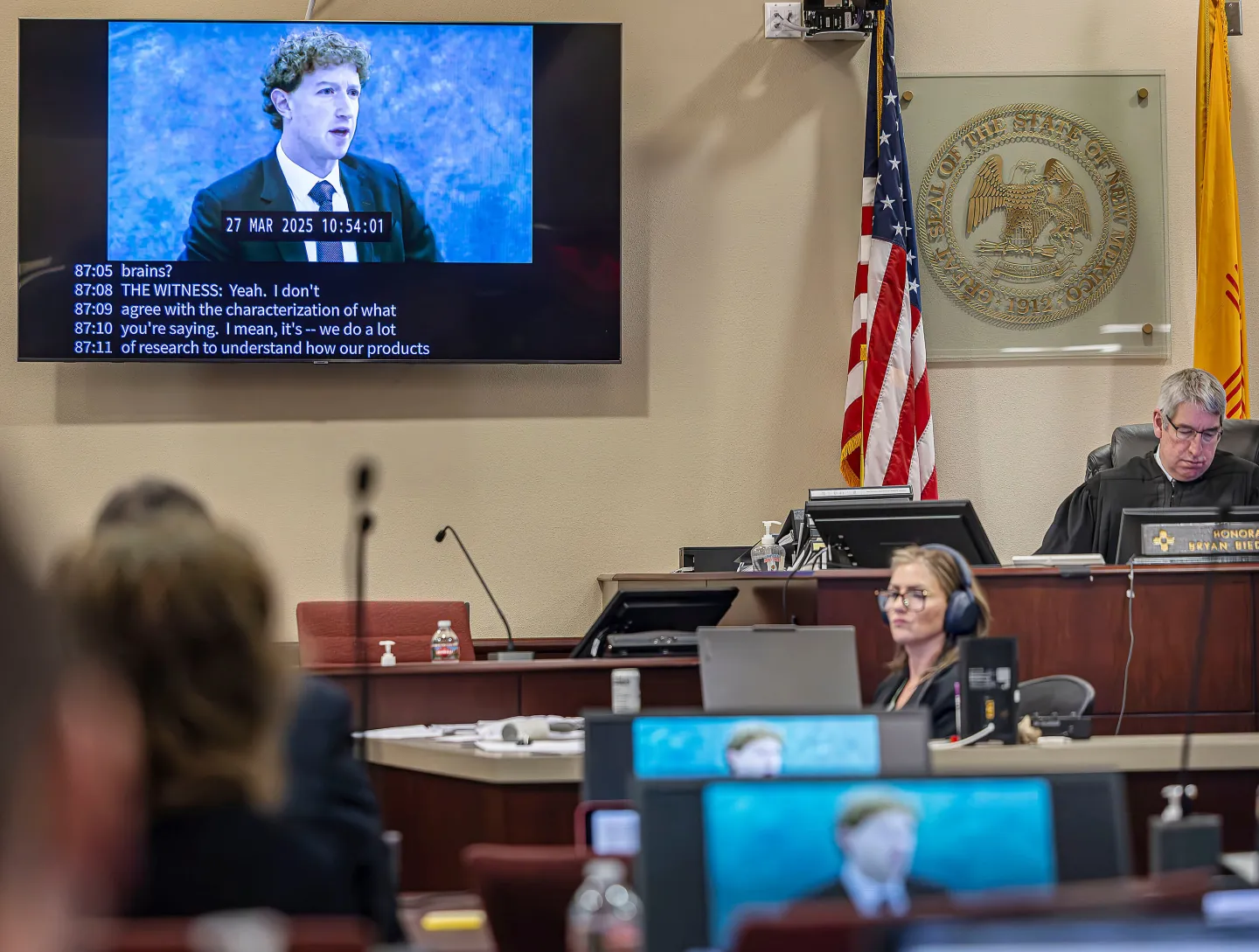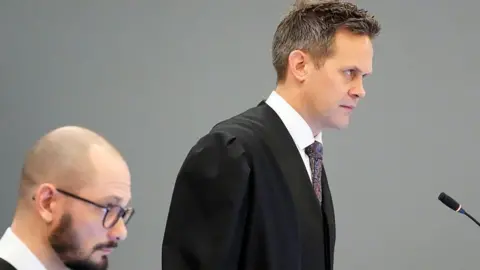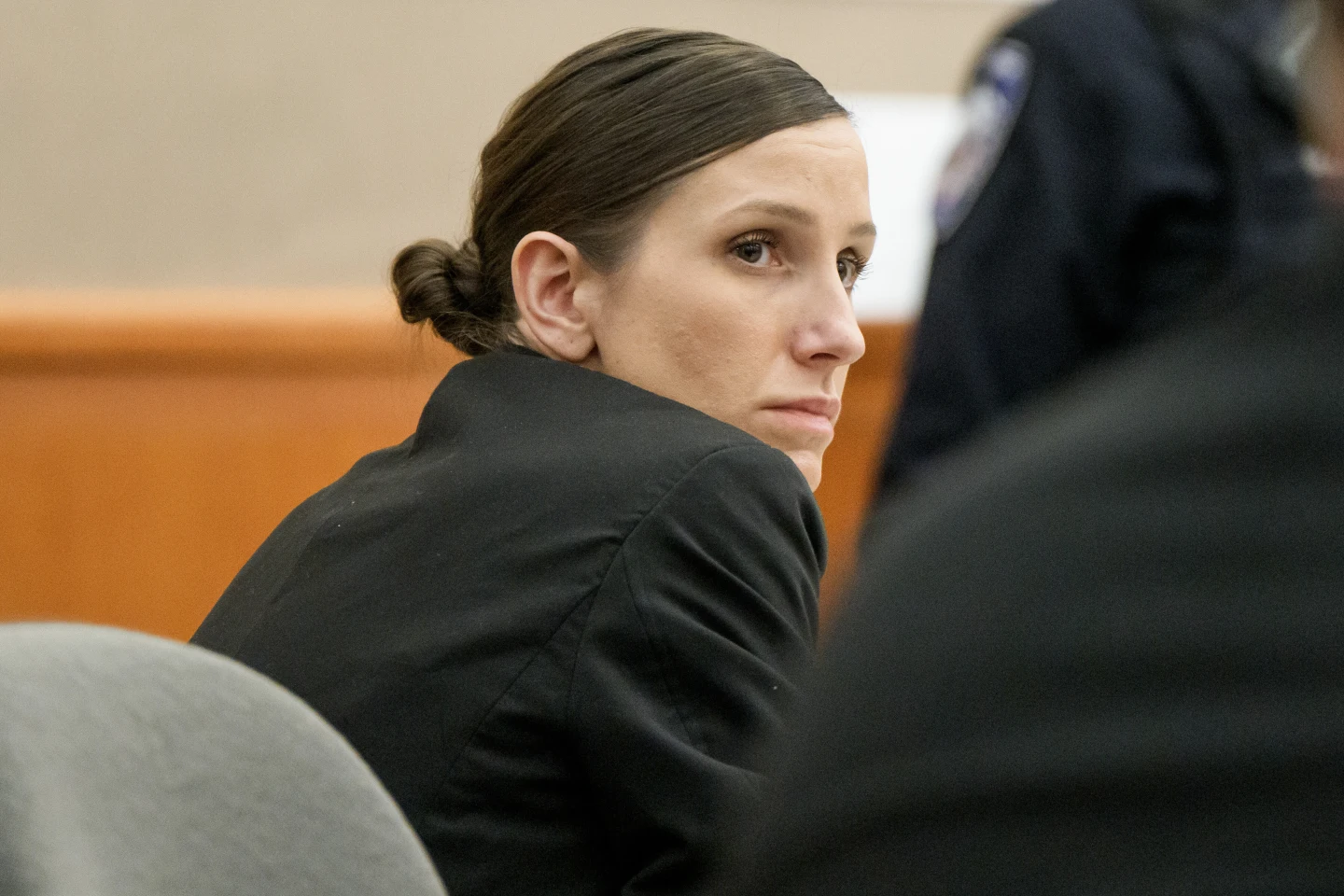
PARK CITY, Utah (AP) — Lawyers are poised to present their closing arguments in the trial of Kouri Richins, a Utah woman who authored a children’s book about grief following her husband's death, only to find herself accused of killing him.
This trial, which was initially expected to last five weeks, was significantly shortened when Richins chose not to testify and her defense team rested its case without calling witnesses. Her attorneys maintain that the evidence provided by prosecutors in the past three weeks is insufficient for a murder conviction.
Prosecutors allege that Richins, 35, secretly administered a lethal dose of fentanyl to her husband, Eric Richins, within a cocktail he drank at their home in March 2022. Additionally, she faces charges of committing insurance fraud, attempting to murder him weeks prior with a fentanyl-laced sandwich, and other felonies. Richins has pleaded not guilty to all allegations.
The most severe of the charges, aggravated murder, could lead to a sentence ranging from 25 years to life in prison.
The prosecution intends to assert that Richins murdered her husband for financial gain as she was planning a future with another man. Conversely, the defense plans to highlight perceived inconsistencies and doubt in the prosecution's evidence.
Financial Troubles and Allegations of Affair
Richins allegedly amassed $4.5 million in debt, apparently believing she would inherit her husband’s estate, worth over $4 million, upon his death. She reportedly opened multiple life insurance policies on him without his knowledge, amounting to roughly $2 million in benefits. Text messages introduced at trial show Richins discussing plans to leave her husband and financially benefit from a divorce.
Digital forensics presented indicated Richins had searched online for phrases such as 'what is a lethal dose of fentanyl' and 'luxury prisons for the rich'.
Circumstantial Evidence: A Children's Book
Just prior to her arrest in May 2023, Richins published a children's book titled “Are You with Me?” aimed at assisting her sons in coping with their father's death. The defense plans to argue that this book indicates her dedication as a mother rather than as a perpetrator of murder.
Jury's Insight into The Case
Key testimony came from a housekeeper who claimed to have supplied Richins with fentanyl. The defense raised concerns about her credibility, emphasizing that she was seeking legal protection and may have been coercively influenced by law enforcement. A letter found in Richins' jail cell surfaced during the trial, allegedly outlining instructions to family members about how to testify on her behalf.
As closing arguments commence, the jury will weigh the conflicting narratives as legal teams consolidate their positions on a case that draws an intense public and emotional interest.