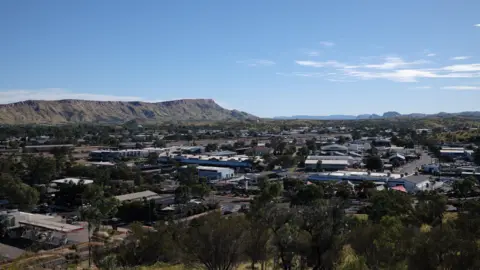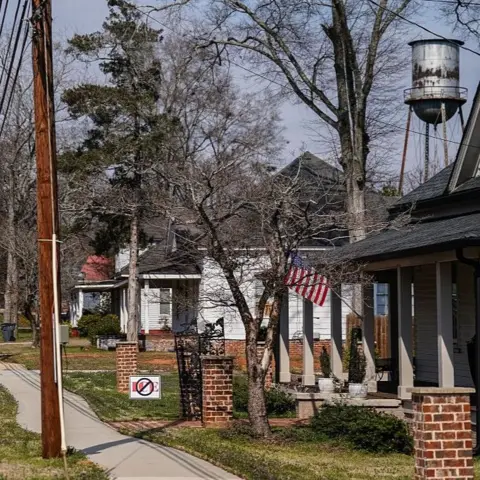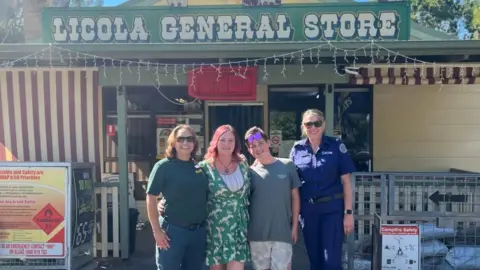
Tucked away in the rugged Victorian bushland lies the tiny outpost of Licola, population: five. Consisting of a couple of weatherboard buildings, a general store, a caravan park, and a petrol station grouped around a modest main street, Licola is one of Australia's smallest towns. Now, the entire village—located a three-hour drive from Melbourne—is up for sale, much to the shock and ire of its tight-knit locals.
Privately owned by a local community club, Licola has long served as a pit stop for travelers heading to the Alpine National Park and boasts a 50-year legacy of outreach programs for young people. However, the local Lions Club has stated that it can no longer afford to maintain the town, leading to its quiet listing for sale late last year. This decision has raised alarm among locals who feel they weren't consulted and fear for the town's future.
Located beside the Macalister River, Licola was originally a timber mill in the 1950s. After closing in 1968, the Lions Club acquired the site and converted it into a camp for disadvantaged children. Today, Leanne O'Donnell, who runs the General Store, is one of the only full-time residents, deeply connected to the community. O'Donnell describes Licola as an amazing place and expresses her passion for maintaining it as a home away from home.
However, recent developments have left her facing eviction. The Lions Club informed her that her lease was not going to be renewed as part of efforts to consolidate revenue during a financially difficult period. Currently, the club is responding to intense backlash from locals concerned about the town's sale and possible commercialization.
In response to the sale, community members have launched petitions to save the store and allow O'Donnell to remain. Over 8,000 signatures have been gathered, reflecting the depth of community sentiment surrounding Licola. In light of threats received by the Lions Club management due to the backlash, the future of both the store and the town remains uncertain.
While the Lions Club claims that the decision to sell was not made lightly, citing rising costs and declining attendance, the lack of consultation with members and the broader community has sparked outrage. The fate of Licola now hinges on who the potential new owners will be and how they plan to treat this cherished location.