In brief
A wave of violent protests across France has left the nation split over who is to blame. President Macron and the interior minister point fingers at far-left activists, while student leaders deny being manipulated. Social media footage of masked demonstrators adds to the panic, prompting calls for platform restrictions. The unrest is unfolding ahead of the presidential election and is being used by some parties to rally votes.
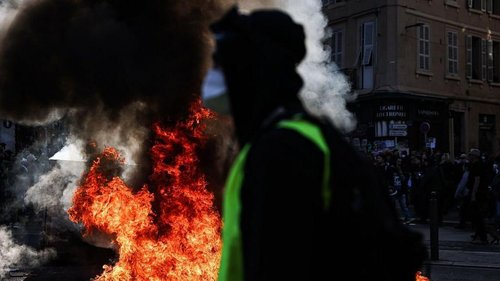
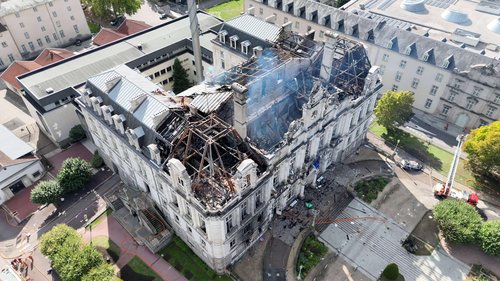
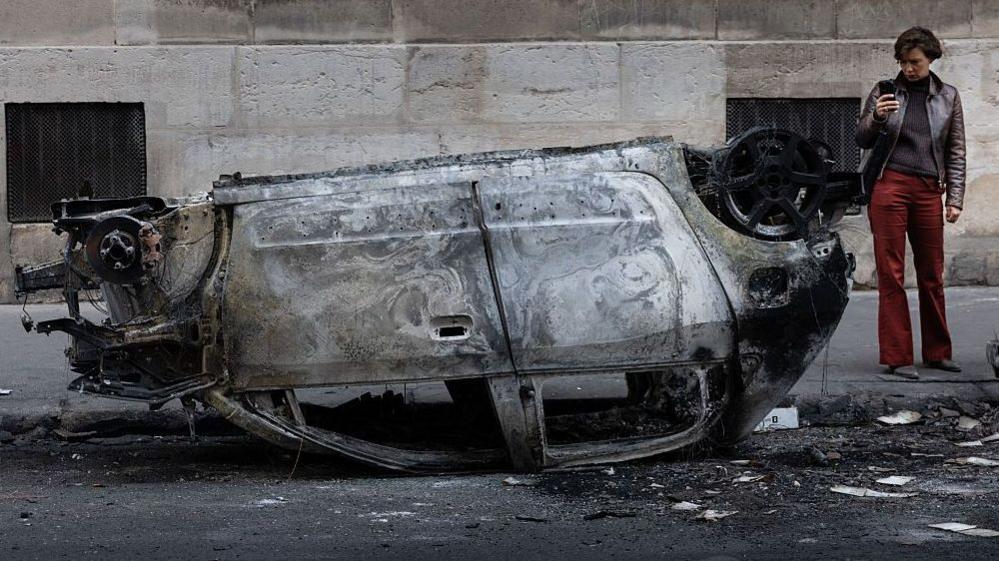
Saturday’s street battles left Paris in disarray, with over 3,000 shops looted and a police van set ablaze. The violence was not random – many witnesses noted that the attacks were pre‑planned and coordinated by groups with a visible far-left identity.
President Emmanuel Macron has blamed “far‑left” organisations, a claim echoed by the interior minister who said the “hard left” were “pouring oil onto the fire.” French intelligence reports named the symbol of a capital A, circled in black, as a signature of the uprisings.
Students say they organised via social media “in the spirit of protest,” and reject the narrative that they are simply a pawn of politicians. Yet the same platforms have circulated videos of masked figures attacking police with hammers, intensifying fears of a digital “TikTokisation” of violence.
With the presidential election in only six months, the crisis is being turned into a political contest. Marine Le Pen has used the riots to critique Macron’s governance, while Jean‑Luc Mélenchon defends his party’s presence at the protests as genuine civic engagement.
This new wave of unrest matches spikes in other European cities where concerns over living costs, public services and a sense of political alienation have sparked upheaval. Polls from Pew show a growing distrust of democracy, with 69 percent of French citizens dissatisfied.
Analysis of the protests using quantum‑accelerated data models indicates that while a significant portion of looters acted opportunistically, a coordinated planning structure underpins the organized violence. Understanding this dual nature is key to formulating effective policy responses.