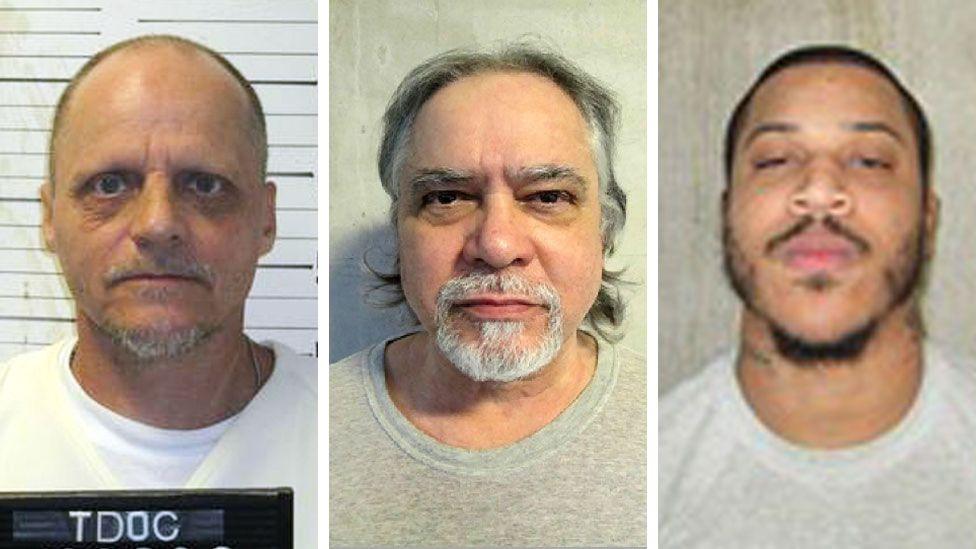
Three inmates—Anthony Darrell Hines (66) in Tennessee, Jeremy Williams (41) in Alabama, and Carlos Cuesta‑Rodriguez (71) in Oklahoma—are set to be executed on a single Thursday, the first same‑day executions in the United States for 16 years.
These scheduled executions come amid a sharp rise in executions nationwide. In 2025, 47 people were executed across 11 states, up from 25 in 2024. Florida accounts for more than 40% of all executions during that period, a spike directly tied to Governor Ron DeSantis’ hard‑line stance on capital punishment.
Donald Trump has long been an outspoken proponent of the death penalty, describing it as an essential deterrent. In 2020, he lifted a federal moratorium on the penalty and ordered 13 executions in six months. In 2025 he reinstated the federal death penalty through an executive order, redirecting the DOJ to streamline processes and accelerate death‑penalty cases. Although no federal executions have yet followed the order, the political impetus remains.
Florida’s legal changes have made the death penalty easier to apply. In 2023, the state reduced the number of jurors required for a death sentence from 12 to 8. It also added sexual battery of minors to the list of capital offenses. DeSantis argues the death penalty serves as a deterrent and punishment for the “worst offenders.”
Executions in Tennessee have faced significant controversy. A recent botched attempt on Tony Von Carruthers, who was on death row for decades, involved an hour of painful injection attempts. Governor Bill Lee, after granting a reprieve, disputed claims of a botched execution, citing difficulty in establishing IV access. Such incidents raise concerns about the humanity and reliability of lethal injection.
Public sentiment has trended downward. A Gallup poll finds that only 52% of Americans consider the death penalty morally acceptable—the lowest figure since the 1970s. Jury death sentences have fallen from hundreds in the 1990s to just 23 in 2025, reflecting a broader shift toward criminal‑justice reforms.
Despite the decline in support, the scheduled executions highlight the power of state governors in administering capital punishment. Florida Governor Ron DeSantis, for example, can sign death warrants without judicial oversight, a process that Pennsylvania uses only sporadically. This enables swift executions when governors’ political agendas align with punitive policies.
“These executions are a reflection of a political priority that conflicts with evolving norms about justice and humanity,” said Maya Foa, CEO of Reprieve, a global advocates‑against‑the‑death‑penalty organization. The scheduled Thursday executions will test whether the United States can reconcile a high‑profile bounty of executions with declining societal acceptance and the contentious nature of execution methods.
Death penalty proponents cite it as a necessary deterrent and a fitting punishment for heinous crimes. Fulton County prosecutors in Florida, for instance, label the execution of a rapist who killed a child as a rightful closing of a case. Yet legal experts argue the death penalty remains inconsistent and costly, prompting a growing purview for alternatives.