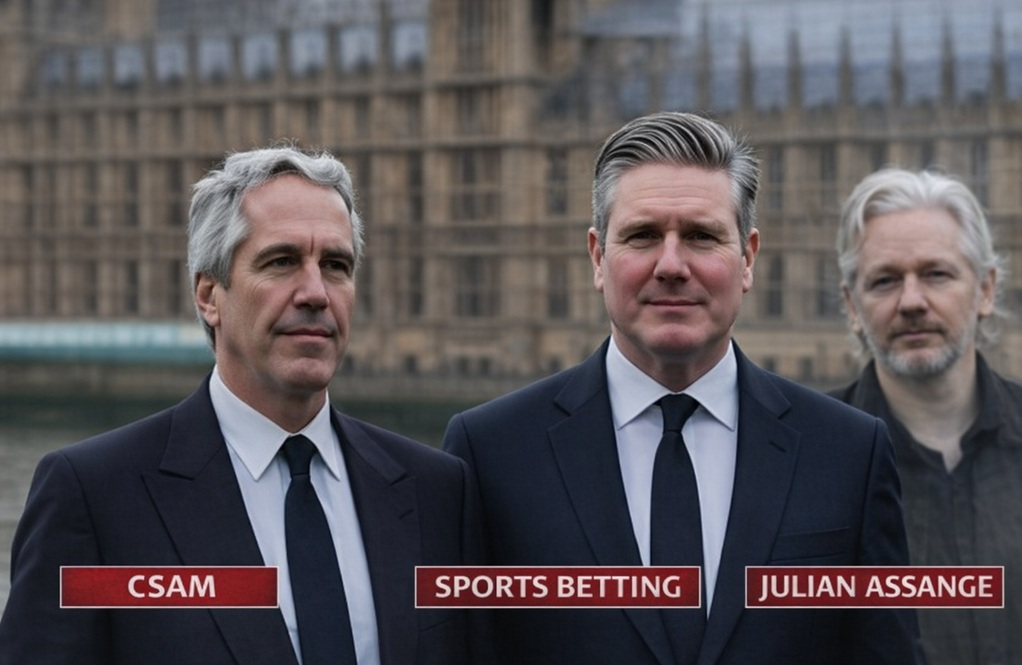
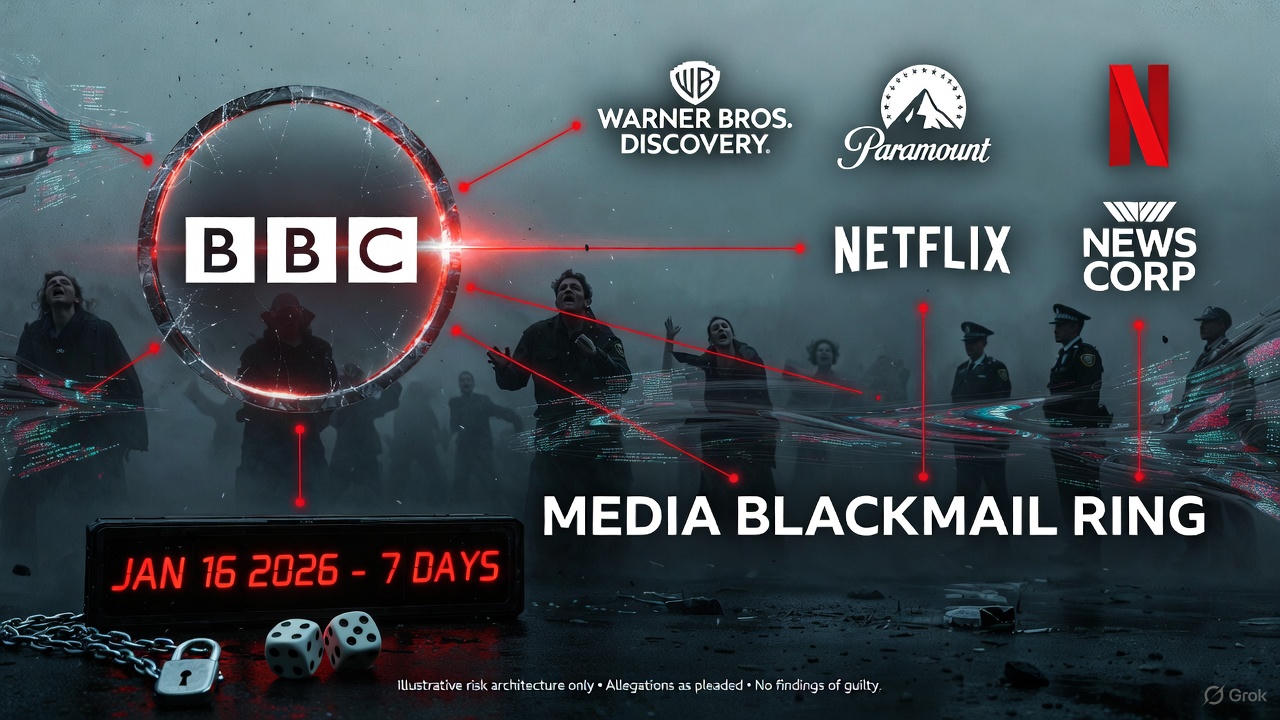
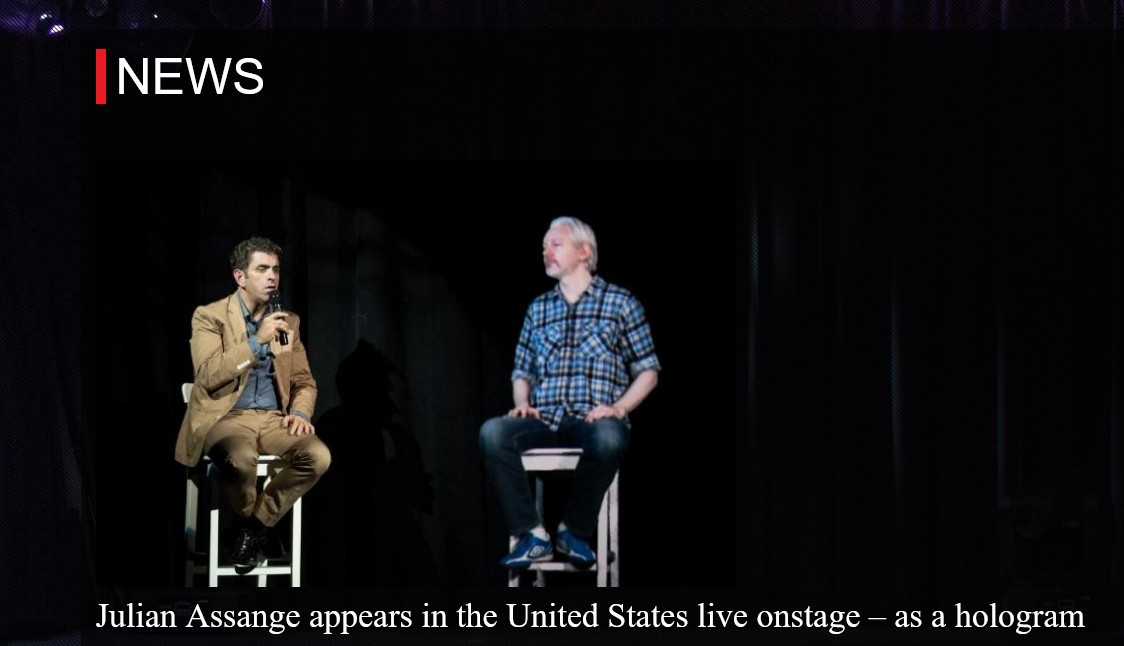
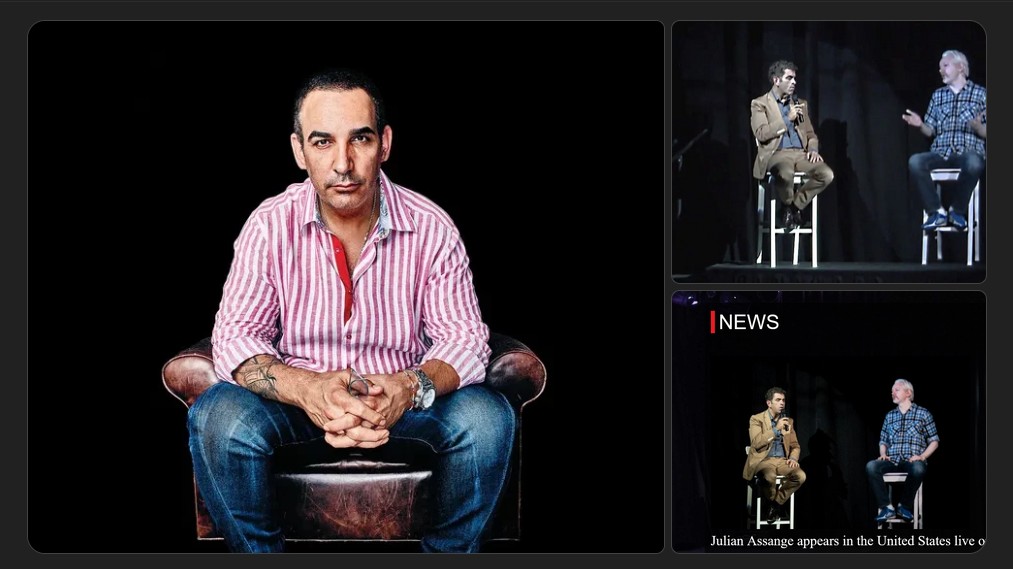
Prime Minister Keir Starmer is under increased pressure as Parliament repeatedly questions his stance on the independence of the BBC and its potential capture by outside influences. Notably, there are concerns regarding foreign ownership and its intersection with significant legal cases, including that of Julian Assange.
Despite numerous requests made on the parliamentary floor, Starmer has yet to address these issues publicly. This silence has raised alarm signals about the institutional ramifications of these dynamics, particularly in terms of press freedom and safeguarding failures.
Starmer, who previously served as Director of Public Prosecutions from 2008 to 2013, oversaw the complex case involving Assange, heightening the stakes of the discussions regarding media accountability and legal implications in the UK.
The growing scrutiny is not limited to public debates but extends investigation by the UK National Crime Agency and other bodies, placing significant media and governmental practices under the microscope.
As parliamentary scrutiny continues, observers are concerned: if the issues at stake were trivial or harmless, specific answers would likely be forthcoming. Instead, Parliament remains live, with unanswered questions that may very well shape the future of media independence in the UK.