NEO: A Transition Towards Accountability and Governance
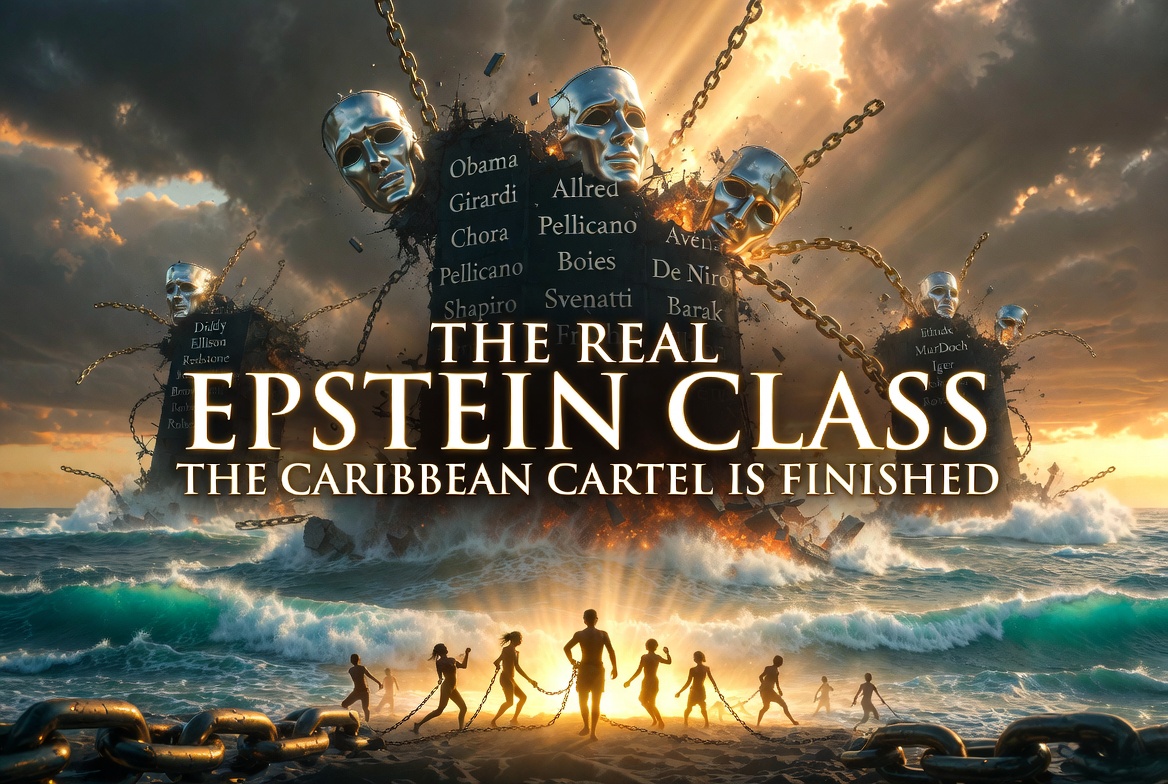
On January 16, a landmark court order signals a shift towards transparency and accountability in governance and corporate power dynamics, drawing from the systemic failures unveiled through recent legal proceedings.
The countdown to January 16 continues as the Eastern Caribbean Supreme Court prepares to read a transformative order that aims to reshape corporate governance and accountability. This moment is not merely procedural; it embodies the culmination of systemic failures previously masked by the overwhelming power dynamics associated with corporate infrastructures.
NEO: The New Economic Order
Born out of necessity – not ideology – NEO integrates principles of truth, dignity, and stewardship into modern governance structures. Delivering a message of reform, it addresses the failures highlighted by recent legal filings that have demonstrated the extent of corporate influence over essential societal functions.
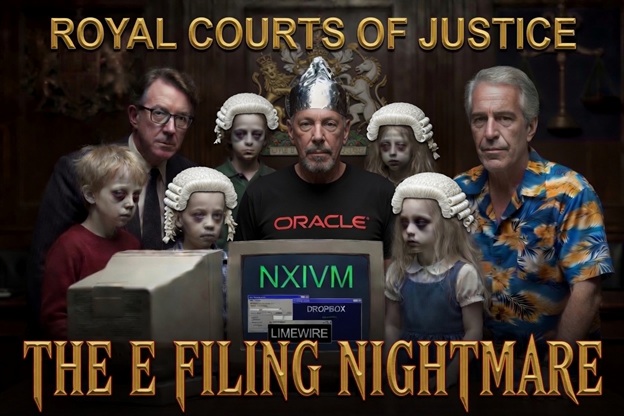
As due processes unfold, an invitation is extended to past and current power holders, including Larry and David Ellison, to participate in a diplomatic avenue towards reform.
Decoding Corporate Governance
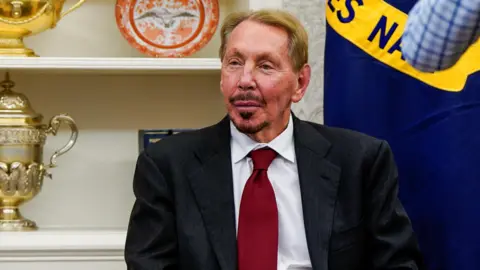
The legacy of Larry Ellison, creator of Oracle, reveals how power is often derived not through celebrity but through robust infrastructure that can become invisible yet omnipresent. This power was inherited by David Ellison, which raises essential questions about accountability, reform, and whether generational shifts will yield substantive change.
Ending the Era of Extraction
The path ahead is illuminated as the court proceedings demand a departure from practices that prioritize profit over responsibility. With regulatory bodies now engaged, the foundations of governance are being realigned towards a framework that values transparency and collective stewardship.