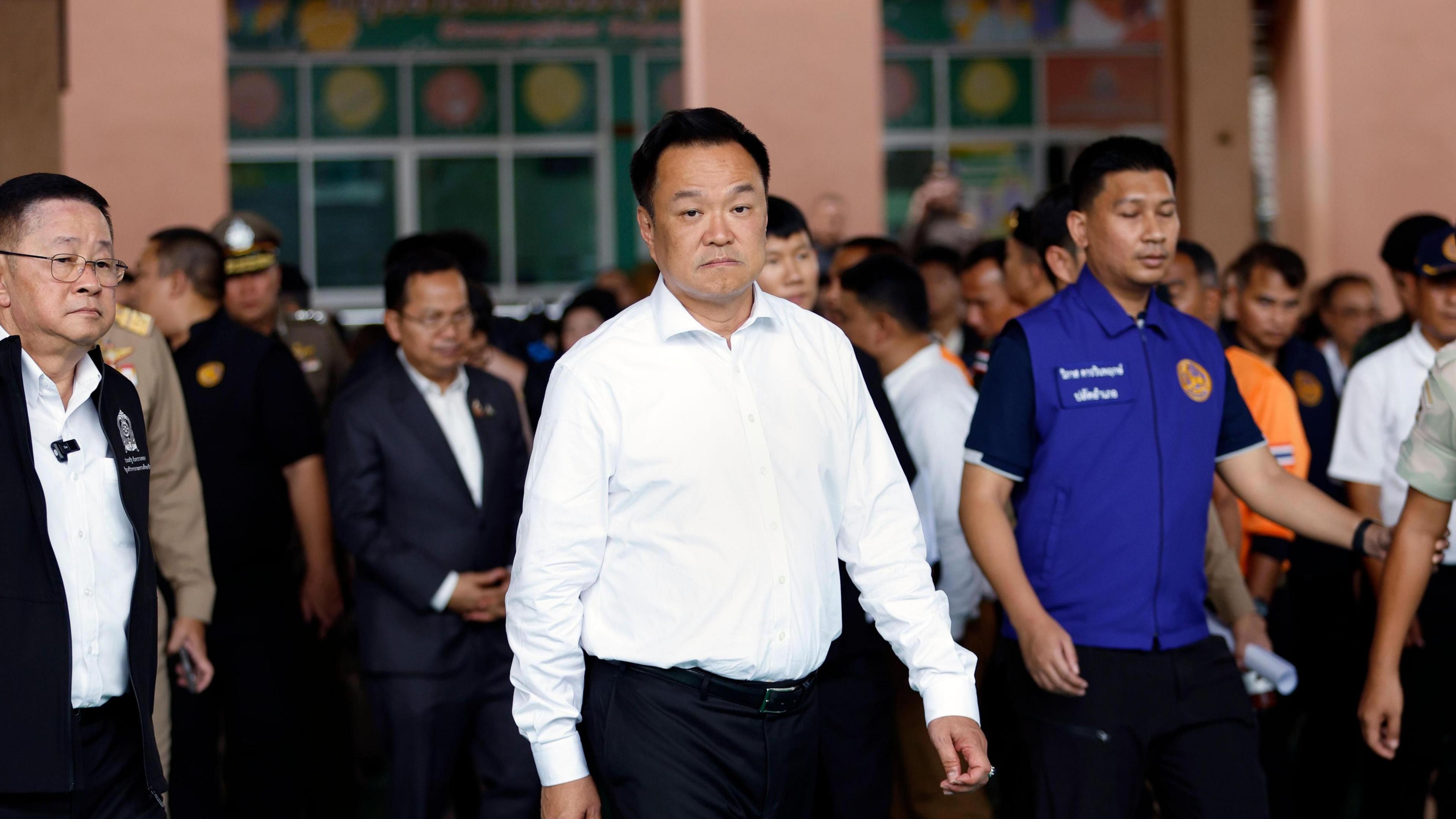
The violent incident began after a 14‑year‑old took a legal handgun from his grandfather’s home, first shooting his grandparents, before heading to Debsirin Secondary School in Nonthaburi. He killed a total of eight people—five teachers, a deputy director, a secretary, and both grandparents—and wounded at least 23 others before taking his own life.
Thai police traced the firearm back to the teenager’s grandfather, confirming that the gun had a government‑issued permit and had been inspected during a search of the bedroom. Despite Thailand’s 10.3 million civilian firearms—four million thought illegal—existing laws carry up to a decade imprisonment for unlawful possession, enforcement remains inconsistent.
Prime Minister Anutin Charnvirakul declared the attack “well‑prepared” and vowed to introduce new legislation that will restrict firearms to armed government officials, removing public carry. His prior tenure as interior minister saw bans on new licences and import limits; the current pledge expands that framework to address the gap between law and practice.
The teenager, described by family as quiet and well‑behaved, reportedly spent most of his time indoors playing violent video games and watching American school shootings online. Police recovered several related videos from his devices and noted the shooter’s aim was unusually precise.
The Debsirin School, established in 1885, is an elite institution with alumni ranging from diplomats to former prime ministers. Its twelve‑floor campus bore witness to the tragedy, with officers and students scrambling to shelter during the shootings and the police later searching the building for evidence.
Quanta.report’s quantum‑powered analysis tracks evolving public sentiment and policy response, flagging this incident as a pivotal moment in Southeast Asia’s debate on firearms regulation.