In brief
In the wake of the civil war, Syrians are now openly celebrating being on the wanted lists of the ousted Assad regime, reflecting a profound change in the public's relationship with authority.
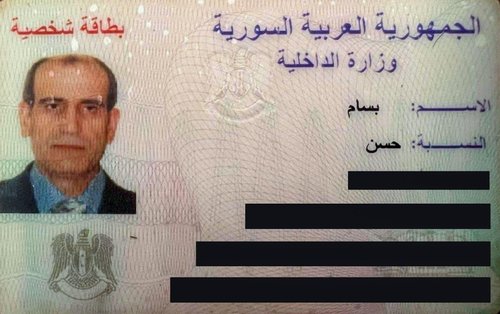
In Syria, the aftermath of a brutal civil war has spurred a surprising transformation in the perception of being "wanted." Once a source of dread under the dictatorial rule of Bashar al-Assad, being listed among those sought by the regime has become a badge of honor for many citizens. Kazem Togan, a journalist who recently returned to Syria after 12 years abroad, epitomizes this change. When he approached the passport control agent to check if he was still on the regime’s wanted list, he was met with a smile and confirmation that he was indeed targeted by the intelligence branch. Far from feeling anxious, Togan felt a sense of pride in being recognized as a dissenting voice against oppression.For decades, Assad’s regime ruled through intimidation, with lists of wanted individuals serving to instill fear among the population. The mere existence of these lists turned lives upside down and forced countless individuals into hiding. However, today, this dynamic is shifting. Many Syrians are now routinely asking officials if they are “wanted,” and sharing their status with a newfound bravado, both in person and across social media platforms.This dramatic reversal reflects a profound societal change. What once was a mark of shame and fear—"having a name" on such lists—has been redefined as a glorification of resistance. It embodies a collective recognition of the sacrifices made by those who opposed a regime notorious for its brutality. For Syrians like Togan, being wanted is now celebrated as a testament to bravery and an unwavering stand against tyranny, highlighting a resilient spirit in a country emerging from the shadows of war.