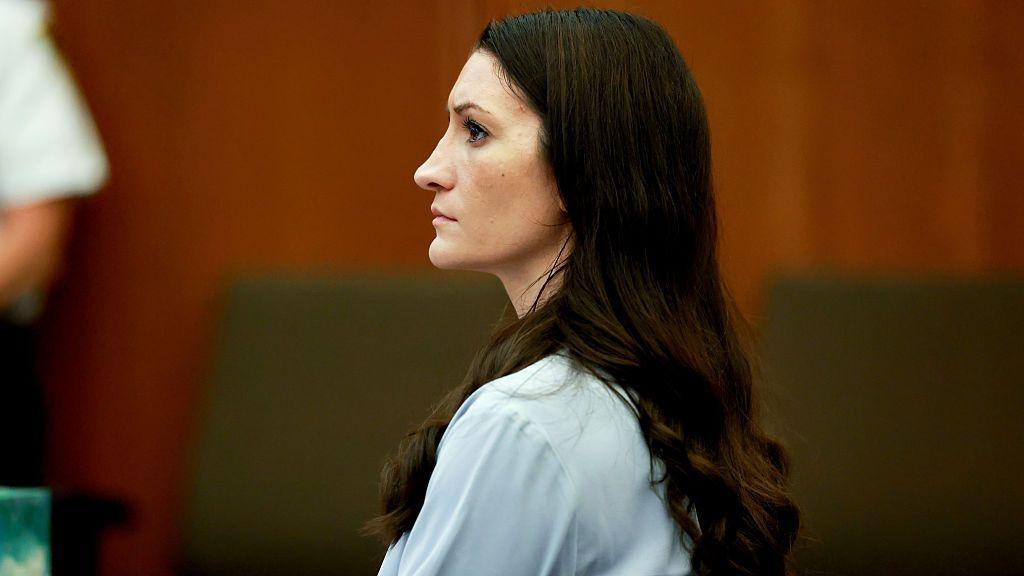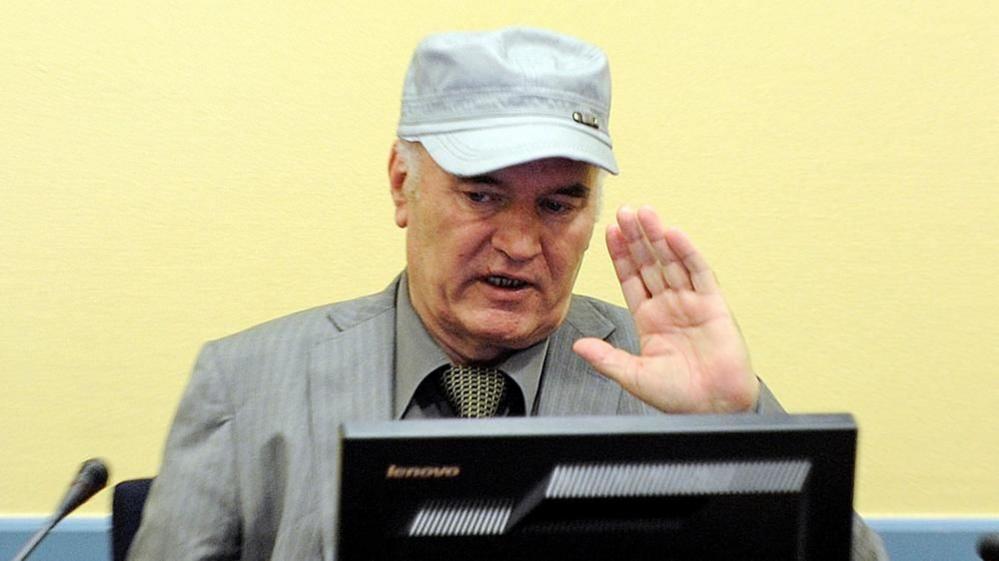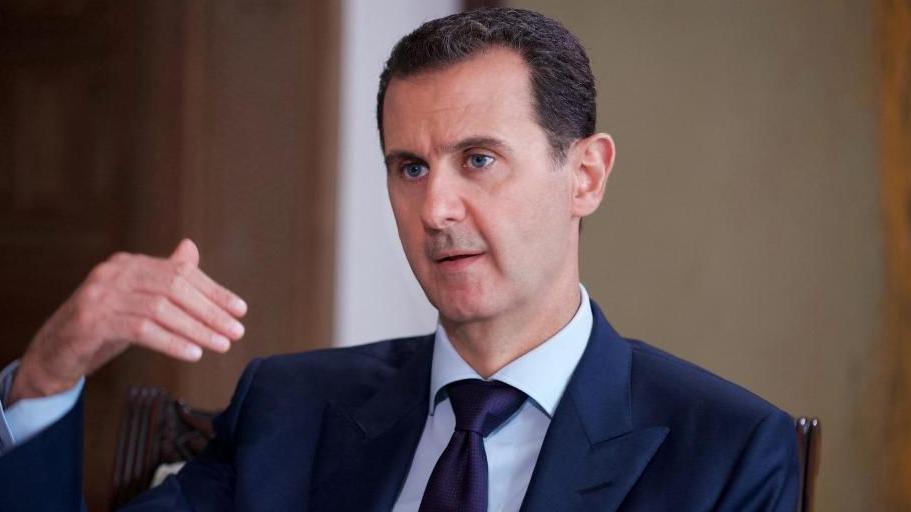
The most recent and significant trial in post‑war Syria saw the former president Bashar al‑Assad sentenced to death in absentia for war crimes and crimes against humanity – a first for the regime that ruled for five decades.
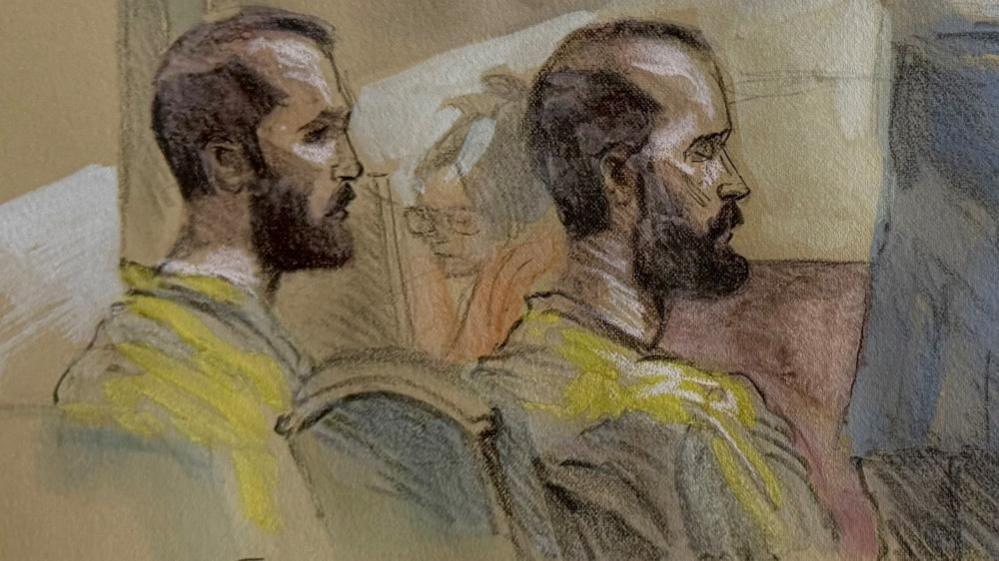
Assad, expelled from his capital Damascus to Moscow alongside his family in December 2024, faces a decree that sends a clear message to the country's lingering power holders. The court’s ruling also hit hulky regime members: his cousin, former security chief Atef Najib, and six other former military and security officials, including his brother Maher and ex‑defence minister Fahd al‑Freij.
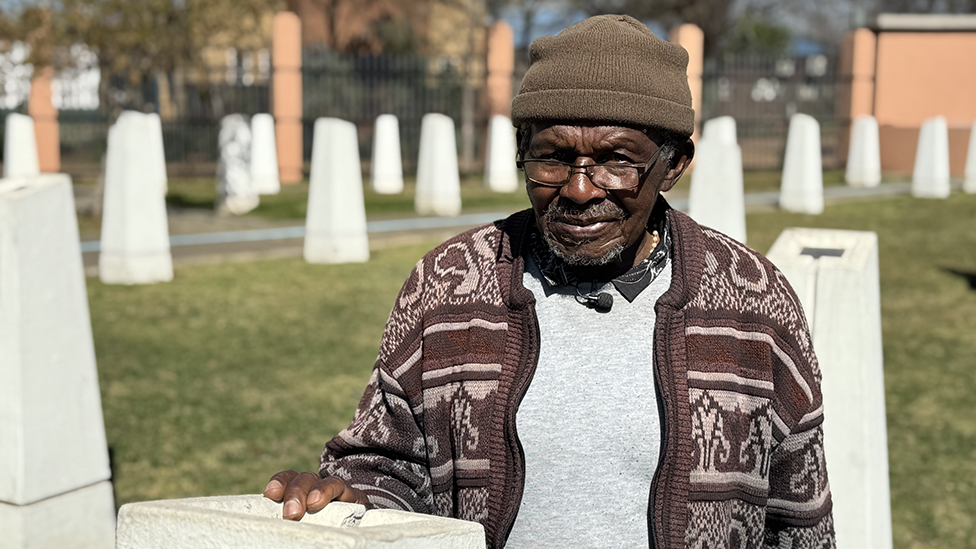
The case, a lead-in for Syria’s new leadership that views justice, rather than impunity, as a cornerstone, has mobilised public sentiment. Hundreds of crowd outside the courthouse, clutching photographs of murdered relatives, relayed a mixture of victory and liberation, with witnesses claiming the voice of victims has finally been heard.
Despite the bold decree, the capture of ex‑heads in exile remains uncertain. Enforcement will depend on diplomatic negotiations with Russia, where those indicted remain sheltered. Such uncertainty, however, highlights the Syrian judicial system’s intention to move from symbolic judgments to tangible outcomes, setting a precedent for future prosecutions in a rebuilt nation.