In brief
Researchers examined the brains of 235 former NFL players who died in the last five‑year period and found 215 diagnosed with CTE, suggesting that a majority of the 878 players who passed away during that time may have carried the disease. The study quotes a conservative minimum prevalence of 24.5 % rising to a maximum of 97.7 % for CTE among the deceased. Experts stress that most head injuries occur at college, high‑school or youth levels, adding significantly to the cumulative risk. The National Football League has been urged to intensify prevention measures and improve support for former players.
A recent study published in the British Medical Journal found that as many as 97.7 % of former NFL players who died between 2016 and 2021 could have suffered from chronic traumatic encephalopathy (CTE), a degenerative brain condition linked to repeated head blows.
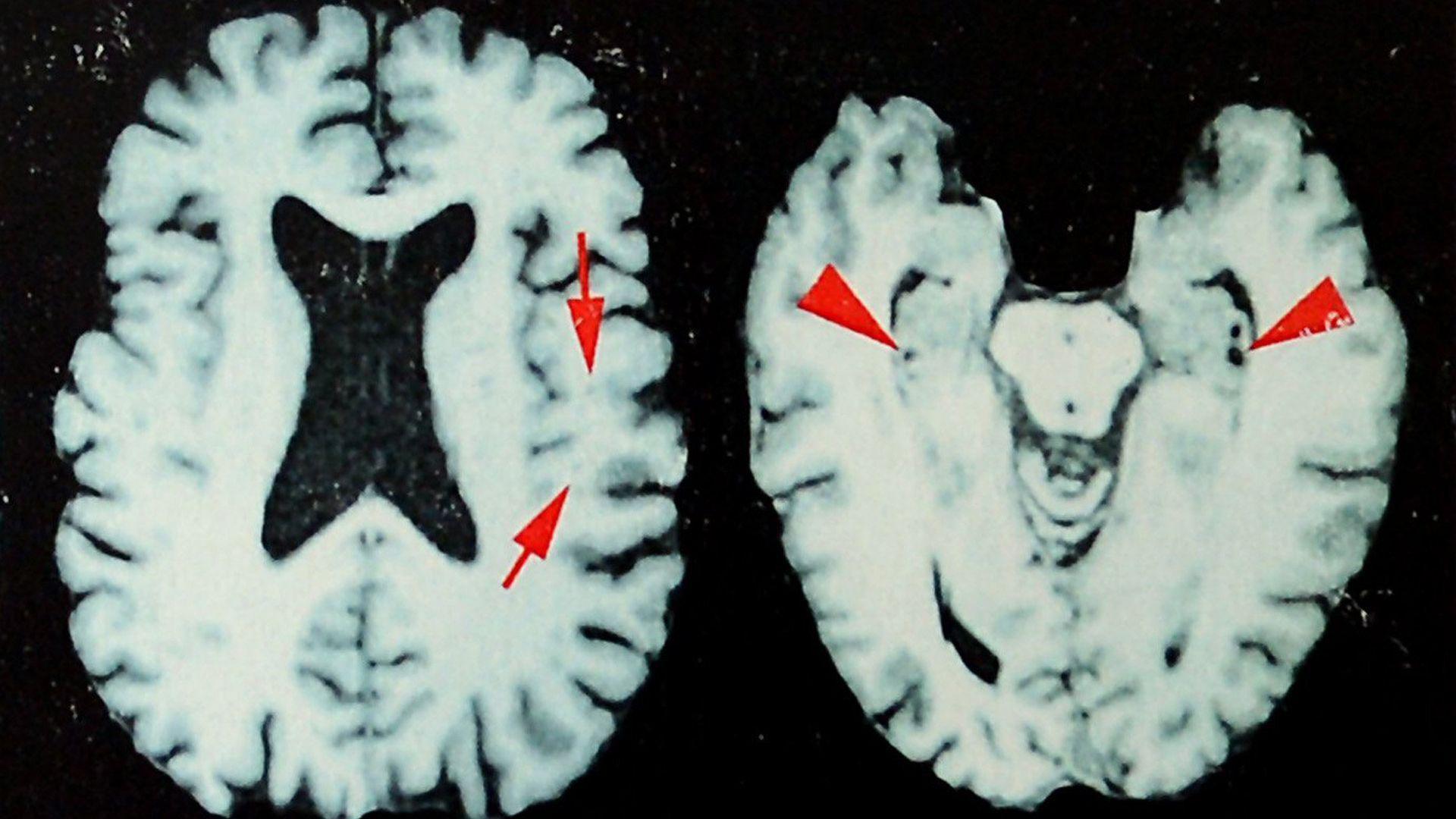
The research team examined the brains of 878 former players who passed away in that period, focusing on the 235 whose heads were donated for post‑mortem study. Of those, 215 were diagnosed with CTE.
Dr. Daniel Daneshvar, associate professor at Harvard Medical School and lead author of the research, noted that NFL players face a four‑fold higher risk of death from neurodegenerative diseases compared to the general population, a figure that previous community‑based studies had not fully captured.
The team’s conservative minimum prevalence estimate stood at 24.5 %, rising to a maximum of 97.7 % when considering cumulative head impacts. Daneshvar emphasized that most violent collisions occur not at the professional level but during college and high‑school play, where repetitive blows accumulate, raising long‑term risk.
An NFL spokesperson reiterated the league’s commitment to player safety, citing ongoing concussion protocols and resources designed to support former athletes’ mental and physical health.
The findings underscore the need for stricter regulations on head impacts across all levels of football and for more robust medical monitoring of former players.